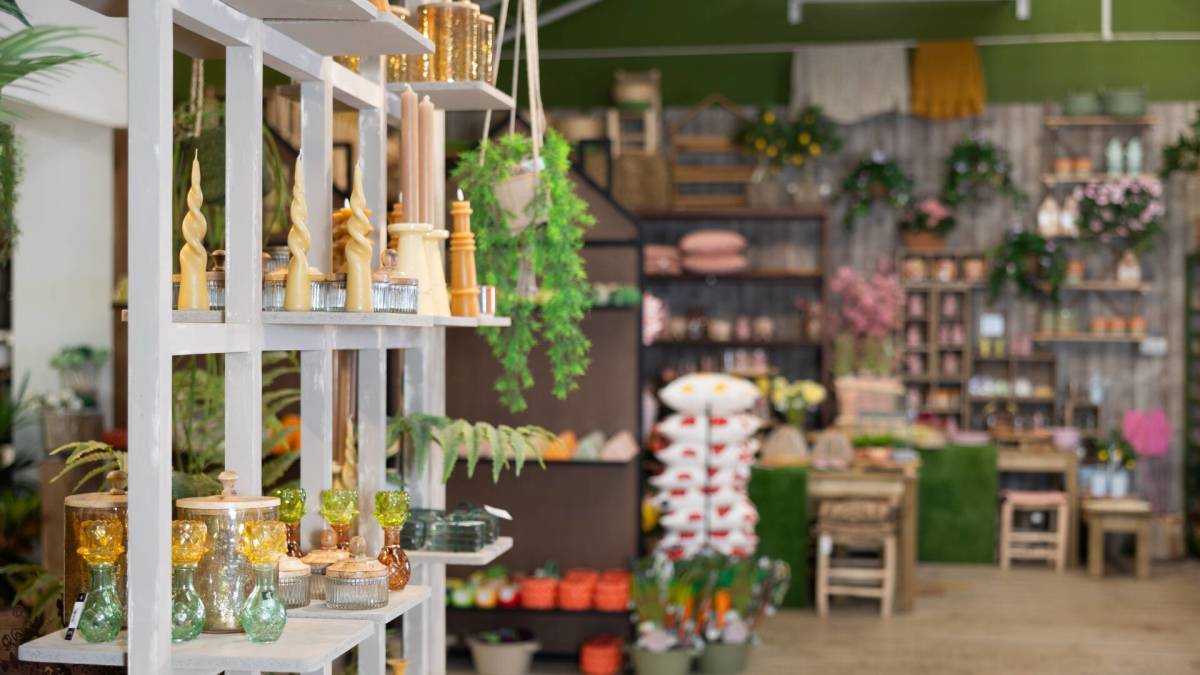
The closure of a 120-year-old gardening retailer serves as a stark reminder of the challenges faced by independent retailers in the US, as their share of overall spending continues to decline in the face of larger chains and franchises.
Key Takeaways
- The share of independent retailers in overall US spending has been declining since 1982, when they captured nearly half of all retail spending.
- The rise of larger chains and franchises has led to the closure of many “Mom & Pop” shops, which are known for offering unique products and personalized services.
- This trend has significant implications for investors, who must consider the potential risks and opportunities associated with the decline of independent retailers and the growth of larger chains.
Deep Dive: The Decline of Independent Retailers
The decline of independent retailers is a trend that has been unfolding over several decades. In 1982, independent retailers accounted for nearly half of all retail spending in the US. However, as larger chains and franchises expanded, the market share of independent retailers began to erode. This decline has been driven by a number of factors, including the rise of big-box stores, the growth of e-commerce, and changes in consumer behavior.
Imagine an investor who bought into a small, independent retail chain in the 1980s. At the time, the chain was thriving, with a loyal customer base and a unique product offering. However, as the years went by, the chain struggled to compete with larger retailers, who were able to offer lower prices and a wider selection of products. Despite efforts to adapt, the chain ultimately went out of business, leaving the investor with significant losses.
This scenario is not unique, as many independent retailers have faced similar challenges in recent years. The closure of the 120-year-old gardening retailer is just one example of a long-term trend that has significant implications for investors and the broader retail industry.
Context: Why This Matters Now
The decline of independent retailers is not just a historical trend, but also a current reality that is being driven by a number of economic factors. One key factor is the inflation rate, which has been rising in recent years. As inflation increases, consumers become more price-sensitive, which can make it harder for independent retailers to compete with larger chains. Additionally, the growth of e-commerce has changed the way consumers shop, with many opting for the convenience and low prices offered by online retailers.
Similar to the 2008 crash, which saw a significant decline in consumer spending, the current retail landscape is being shaped by a combination of economic and demographic factors. The rise of the millennial generation, who are more likely to shop online and prioritize experiences over material goods, is also having a significant impact on the retail industry.
Pros and Cons for Your Portfolio
- Risk: The decline of independent retailers may lead to a decrease in the value of investments in small retail chains or individual stores. Additionally, the growth of larger chains and e-commerce may lead to increased competition and decreased market share for existing retailers.
- Opportunity: The shift towards larger chains and e-commerce may also create opportunities for investors to capitalize on the growth of these sectors. For example, investors may consider investing in companies that specialize in e-commerce logistics or retail technology.
What This Means for Investors
So, what does this mean for investors? In terms of strategy, it’s essential to take a long-term view and consider the potential risks and opportunities associated with the decline of independent retailers and the growth of larger chains. Investors may want to consider diversifying their portfolios to include a mix of retail stocks, including those in the e-commerce and logistics sectors.
Imagine an investor who is considering buying into a retail stock. Before making a decision, they should carefully evaluate the company’s financials, including its revenue growth, profit margins, and competitive position. They should also consider the broader retail landscape and the potential risks and opportunities associated with the decline of independent retailers and the growth of larger chains.
In conclusion, the closure of the 120-year-old gardening retailer is a reminder of the challenges faced by independent retailers in the US. As investors, it’s essential to understand the underlying trends and factors driving this shift and to consider the potential implications for our portfolios. By taking a strategic and informed approach, we can navigate the changing retail landscape and capitalize on the opportunities that arise.