


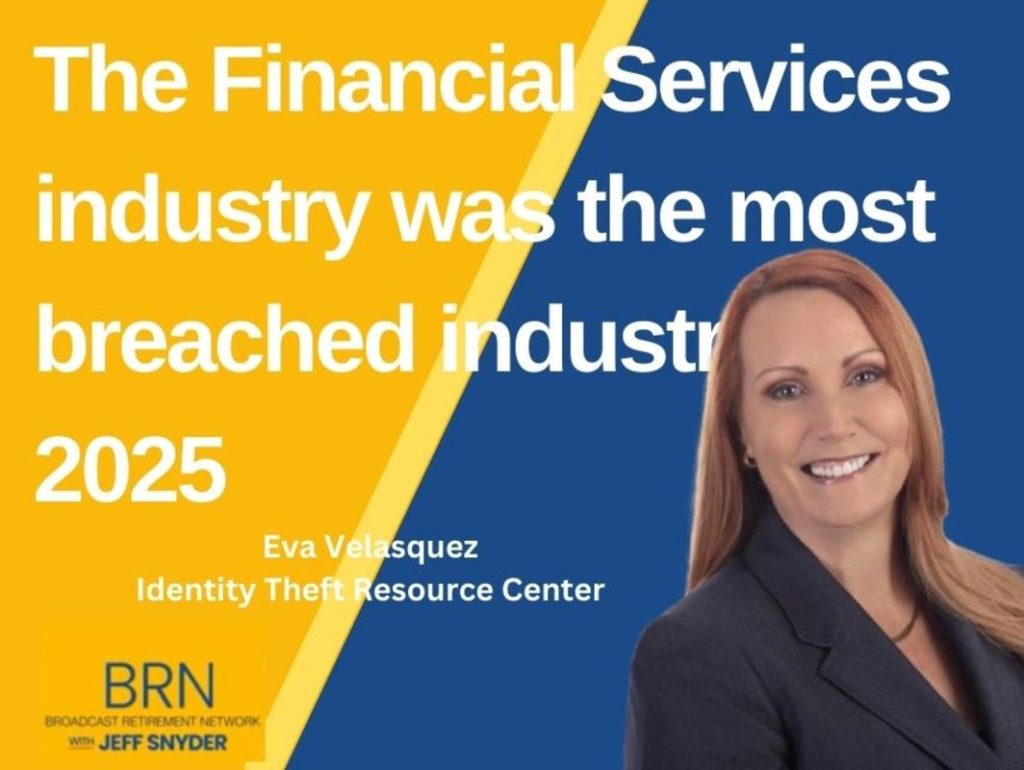
The financial services sector is under siege as 2025 witnesses a significant surge in cybercrimes, leaving investors and consumers alike questioning the security of their assets and personal information.
Key Takeaways
- The financial services sector has become a primary target for cybercrimes in 2025, with a notable increase in breaches and attacks.
- Identity theft and data breaches are among the most common types of cybercrimes affecting the financial services sector.
- Experts, such as Eva Velasquez from the Identity Theft Resource Center, are working to raise awareness and provide guidance on how to protect against these threats.
Deep Dive: Cybercrimes in the Financial Services Sector
The conversation between Jeffrey Snyder of the Broadcast Retirement Network and Eva Velasquez sheds light on the growing concern of cybercrimes in the financial services sector. As the sector continues to evolve and become more digital, the risk of cyberattacks and data breaches also increases. Cybersecurity has become a top priority for financial institutions, as they work to protect their customers’ sensitive information and maintain trust in the system.
Imagine an investor who has their personal and financial information stolen due to a data breach. This could lead to identity theft, financial loss, and a significant amount of time and effort to resolve the issue. This scenario highlights the importance of robust cybersecurity measures in the financial services sector. Similar to the 2008 crash, where the financial system was severely impacted, a major cyberattack could have far-reaching consequences for the economy and individual investors.
Context: Why This Matters Now
The increase in cybercrimes in the financial services sector can be attributed to several factors, including the rise of digital banking, online trading, and the use of mobile devices to access financial information. As more people conduct financial transactions online, the potential for cyberattacks and data breaches also increases. Furthermore, the current economic climate, with its low interest rates and high market volatility, may be contributing to the surge in cybercrimes as individuals and organizations seek to exploit vulnerabilities in the system.
Historically, the financial services sector has been a target for cybercrimes, with high-profile breaches and attacks making headlines in recent years. However, the frequency and severity of these incidents seem to be escalating, making it essential for investors and consumers to be aware of the risks and take proactive steps to protect themselves. Financial literacy and education are critical in this regard, as individuals need to understand how to identify and mitigate potential threats.
Pros and Cons for Your Portfolio
- Risk: A significant cyberattack or data breach could lead to a loss of customer trust, resulting in a decline in stock prices and a negative impact on your portfolio. Additionally, the costs associated with responding to and resolving a cyberattack could be substantial, further eroding profits.
- Opportunity: Investors who prioritize cybersecurity and invest in companies with robust cybersecurity measures in place may be better positioned to weather the storm. Moreover, the growing demand for cybersecurity solutions and services could create new investment opportunities in this sector.
What This Means for Investors
In light of the increasing cybercrime threat, investors should take a strategic and informed approach to managing their portfolios. This may involve diversifying investments, conducting thorough research on companies’ cybersecurity practices, and considering investment opportunities in the cybersecurity sector. It is also essential to stay up-to-date with the latest developments and trends in cybersecurity, as well as to work with financial advisors who have expertise in this area.
Ultimately, investors must be vigilant and proactive in protecting their assets and personal information from cyber threats. By doing so, they can help mitigate the risks associated with cybercrimes and capitalize on the opportunities that arise in this rapidly evolving landscape. As the financial services sector continues to navigate the challenges posed by cybercrimes, investors who are well-informed and prepared will be better positioned to achieve their long-term financial goals.

 Lenovo Laptop Drops to $139: Walmart’s Unbeatable Deal
  Amazon’s $90 Soft 8×10 Area Rug On Sale Now
  Billionaire Ray Dalio Warns: Invest in Gold Now
  Chick-fil-A Unveils 6 New Sandwiches for 2026 Menu
  Netflix Boss Issues Stark Warning to Concerned Subscribers
  Hoka Bondi 9 Sale: Get 20% Off Viral Running Shoes