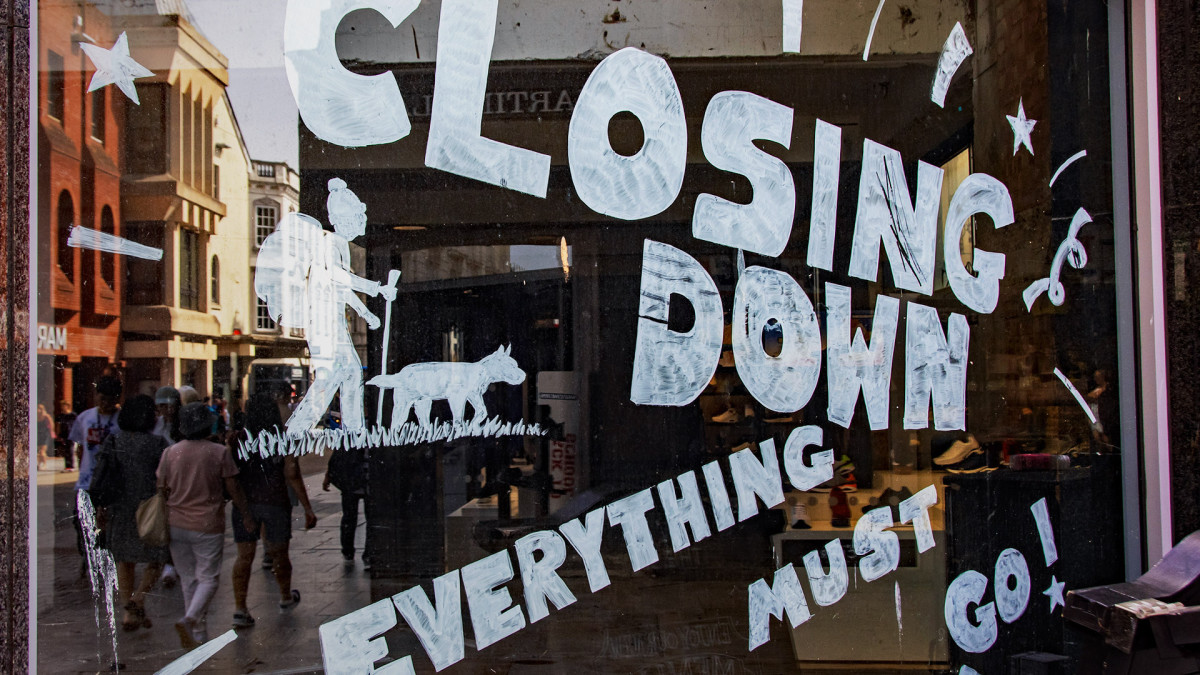
The sudden closure of all 89 stores of the 78-year-old furniture chain Badcock Furniture, following its Chapter 11 bankruptcy filing, has sent shockwaves through the retail industry and serves as a stark reminder of the challenges faced by brick-and-mortar stores in the current economic climate.
Key Takeaways
- Badcock Furniture, a 78-year-old chain, has shut down all its 89 stores after filing for Chapter 11 bankruptcy.
- The closure highlights the struggles of traditional retail stores in competing with online retailers and navigating economic uncertainties.
- Investors and consumers alike must be cautious when dealing with businesses undergoing bankruptcy, ensuring they understand the implications of such a process.
Badcock Furniture’s Demise: A Deep Dive
Badcock Furniture’s decision to close all its stores comes after the company filed for Chapter 11 bankruptcy, a process that allows businesses to restructure their debts while remaining operational. However, in this case, the outcome has been the complete cessation of operations, leaving customers and employees in a state of uncertainty. This situation underscores the importance of understanding bankruptcy proceedings and their potential impact on consumers and investors.
Imagine an investor who had shares in Badcock Furniture or a customer who had recently made a purchase from the store. The bankruptcy filing and subsequent store closures would have significant implications for both parties, including potential losses and the challenge of retrieving purchases or refunds. This scenario illustrates the need for vigilance and a thorough understanding of the financial health of companies before engaging in any transactions.
Context: Why This Matters Now
The closure of Badcock Furniture stores is not an isolated incident but rather part of a larger trend affecting retail businesses. The rise of e-commerce has significantly altered consumer behavior, with many opting for the convenience and often lower prices offered by online retailers. This shift, coupled with economic factors such as
Similar to the retail apocalypse seen in the late 2010s, where numerous iconic brands filed for bankruptcy or underwent significant restructuring, the current economic climate poses substantial risks to businesses that fail to adapt to changing consumer preferences and economic conditions. Historical context suggests that such periods of upheaval can also present opportunities for innovation and growth for companies that successfully navigate these challenges.
Pros and Cons for Your Portfolio
- Risk: Investing in or purchasing from companies on the verge of bankruptcy can result in significant financial losses, as seen in the case of Badcock Furniture. Consumers and investors must be cautious and conduct thorough research before making any decisions.
- Opportunity: The demise of traditional retail stores can create opportunities for investors to explore emerging trends and companies that are poised to capitalize on the shift towards e-commerce and innovative retail experiences. This could include investing in companies that specialize in digital retail solutions or those that have successfully adapted to the new retail landscape.
What This Means for Investors
The collapse of Badcock Furniture serves as a reminder for investors to remain vigilant and proactive in managing their portfolios. It is essential to diversify investments and keep a close eye on the financial health and adaptability of the companies in which they invest. For those considering purchases from retailers that are undergoing restructuring or facing financial difficulties, it is crucial to ensure that they take possession of items before making payments to avoid potential losses.
In conclusion, the story of Badcock Furniture’s closure is a stark reminder of the challenges faced by traditional retail in the modern economy. As investors and consumers navigate this complex landscape, they must prioritize informed decision-making, adaptability, and a deep understanding of the factors influencing the retail industry. By doing so, they can mitigate risks and capitalize on the opportunities that emerge in this evolving market.