


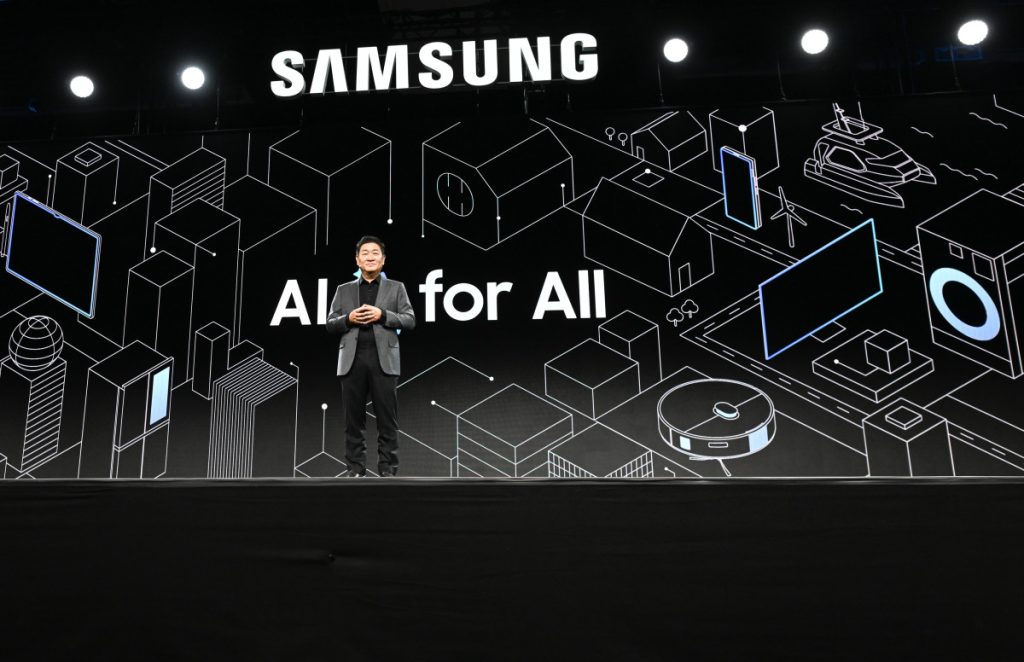
The artificial intelligence memory war is heating up, with Samsung making an aggressive move that has left Micron reeling, and investors are taking notice as the battle for dominance in the AI memory market intensifies.
Key Takeaways
- Samsung is planning to increase prices for its AI memory products by 20% to 30%, a move that could significantly impact its competitors and the overall market.
- The AI memory market is a rapidly growing sector, driven by increasing demand for artificial intelligence and machine learning technologies.
- Investors are closely watching the developments in the AI memory market, as the outcome could have significant implications for their portfolios and the broader tech industry.
Samsung’s Aggressive Move: A Deep Dive
Samsung’s decision to increase prices for its AI memory products is a strategic move aimed at consolidating its position in the market and maximizing its profits. The company is reportedly looking to charge 20% to 30% more for its products, which could give it a significant competitive advantage over its rivals, including Micron. This move is likely to have far-reaching consequences for the AI memory market, as it could lead to a price war and impact the profitability of other companies in the sector.
Context: Why This Matters Now
The AI memory market is a rapidly growing sector, driven by increasing demand for artificial intelligence and machine learning technologies. As more companies invest in AI and ML, the demand for high-quality memory products that can support these technologies is increasing. Samsung’s move to increase prices is a reflection of this trend, as the company is looking to capitalize on the growing demand and its strong position in the market. However, this move also raises concerns about inflation in the tech industry, as higher prices for AI memory products could have a ripple effect and impact the prices of other tech products.
Historical Context: Lessons from the Past
This is not the first time that the tech industry has seen a price war, and investors can draw lessons from past experiences. For example, the price war in the DRAM market in the early 2000s led to significant consolidation in the industry, with only a few companies emerging as dominant players. Similarly, the flash memory market experienced a significant downturn in the mid-2000s, due to overcapacity and intense competition. These experiences suggest that the current price war in the AI memory market could lead to significant changes in the industry, and investors need to be prepared for the potential consequences.
Pros and Cons for Your Portfolio
- Risk: The potential downside of Samsung’s move is that it could lead to a price war, which could negatively impact the company’s profitability and the overall health of the AI memory market. Investors who are heavily exposed to the tech industry may need to reassess their portfolios and consider diversifying their investments to mitigate this risk.
- Opportunity: On the other hand, Samsung’s move could also create opportunities for investors who are looking to capitalize on the growing demand for AI memory products. As the company consolidates its position in the market, it may be able to increase its market share and improve its profitability, which could lead to higher returns for investors.
What This Means for Investors
Investors who are considering investing in the AI memory market need to carefully assess the potential risks and opportunities. While Samsung’s move may create opportunities for growth, it also raises concerns about the potential for a price war and the impact on the overall health of the market. Investors may need to consider diversifying their portfolios and hedging their bets to mitigate the risks associated with this investment. Additionally, investors should keep a close eye on the developments in the AI memory market and be prepared to adjust their strategies as the market evolves.
Strategic Perspective: Navigating the AI Memory Market
Investors who are looking to navigate the AI memory market may need to consider a range of strategies, including diversification, hedging, and active management. For example, investors could consider investing in a range of companies that are involved in the AI memory market, including Samsung, Micron, and other players. They could also consider hedging their bets by investing in companies that are not directly exposed to the AI memory market, but may benefit from the growing demand for AI and ML technologies. Ultimately, the key to success in the AI memory market will be to stay informed, be prepared to adapt, and have a clear understanding of the potential risks and opportunities.
Conclusion: The AI Memory War Heats Up
The AI memory war is heating up, and investors need to be prepared for the potential consequences. Samsung’s aggressive move to increase prices for its AI memory products is a significant development that could have far-reaching implications for the market. As the demand for AI and ML technologies continues to grow, the AI memory market is likely to remain a key area of focus for investors. By understanding the potential risks and opportunities, and by developing a clear strategy for navigating the market, investors can position themselves for success in this rapidly evolving sector.

 Top SUV Deals of the Month: Consumer Reports’ Picks
  Costco Unveils New Food Court Item to Take on McDonald’s
  $11 Fleece Hoodie in 14 Colors: Amazon’s Steal of the Season
  Regional Office Furniture Firm Files for Chapter 11 Bankruptcy Protection
  118-Year-Old Grocery Chain Closes Last Store: What’s Behind the Demise
  Amazon’s $85 2-in-1 Laptop Tablet Combo on Sale Now