


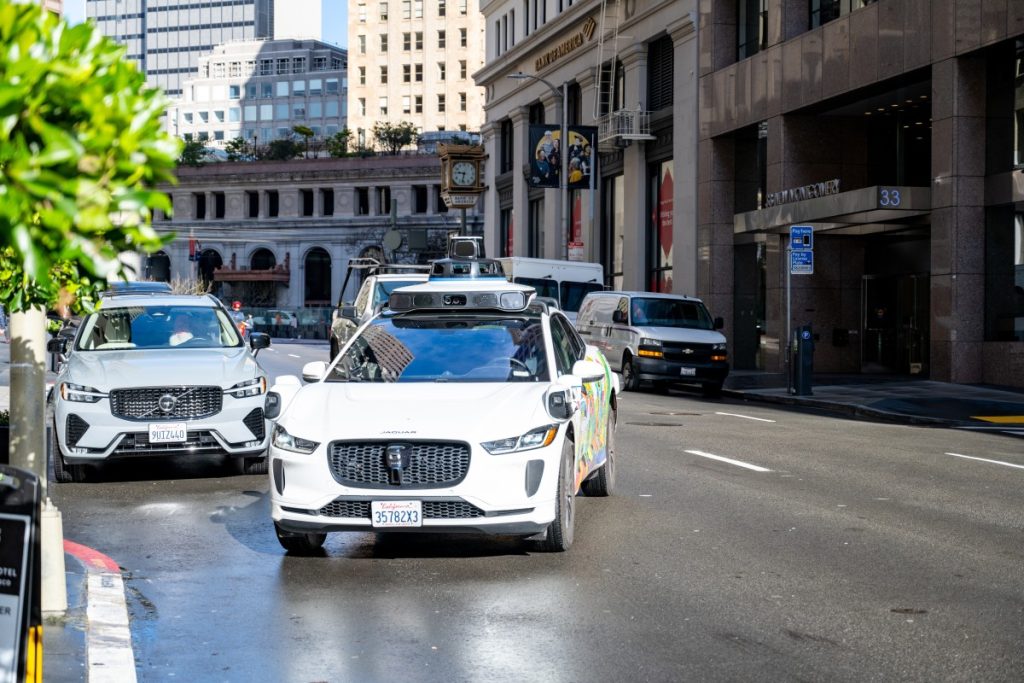
As the world edges closer to widespread adoption of autonomous vehicles, concerns over their safety compared to human drivers are escalating, posing a trillion-dollar question that could make or break investments in companies like Waymo, Tesla, and Amazon.
Key Takeaways
- Autonomous vehicles, such as those developed by Waymo, are being scrutinized for their safety record compared to human-operated vehicles.
- The technology promises to eliminate accidents caused by human error, such as drunk driving, fatigue, and distraction.
- The development and deployment of autonomous vehicles are part of a broader technological and economic shift that could significantly impact the automotive and tech industries.
Autonomous Vehicle Safety: A Deep Dive
At the heart of the debate over autonomous vehicle safety is the question of whether these vehicles can truly outperform human drivers in all scenarios. Companies like Waymo, a subsidiary of Alphabet, have been at the forefront of autonomous vehicle development, arguing that their technology can significantly reduce the number of accidents on the road. Autonomous vehicles, or robotaxis, are programmed to follow traffic laws, are not susceptible to human weaknesses such as fatigue, and can process information much faster than humans, potentially avoiding accidents.
However, the complexity of real-world driving scenarios poses a significant challenge. Autonomous vehicles must be able to handle not just straightforward driving conditions but also unexpected events, such as a pedestrian stepping into the road or a vehicle cutting off the autonomous vehicle. The ability of these vehicles to respond appropriately in such situations is crucial to their safety record and is an area of ongoing research and development.
Imagine an investor who has placed significant bets on the future of autonomous vehicles. For them, the safety record of these vehicles is not just a matter of public interest but also has direct implications for their investment portfolio. If autonomous vehicles can demonstrate a superior safety record, it could lead to widespread adoption, boosting the investor’s returns. On the other hand, if safety concerns persist, it could hinder the growth of the industry and negatively impact investments.
Context: Why This Matters Now
The current interest in autonomous vehicle safety is not happening in a vacuum. It is part of a broader technological and economic shift towards more automated and connected vehicles. The automotive industry is undergoing a significant transformation, driven by advancements in technology, changes in consumer behavior, and regulatory pressures. The push towards autonomous vehicles is also closely tied to the development of electric vehicles and the smart city concept, where technology is integrated into urban planning to create more efficient and sustainable living spaces.
Historically, the development of new technologies has often been met with skepticism and concern over safety. Similar to the early days of aviation or the introduction of automobiles, there is a natural period of adjustment and learning as societies adapt to new technologies. The current debate over autonomous vehicle safety is a part of this process, reflecting the challenges of integrating a new, complex technology into daily life.
Pros and Cons for Your Portfolio
- Risk: One of the significant risks associated with investing in autonomous vehicle technology is the regulatory environment. If governments impose strict regulations or moratoriums on the deployment of autonomous vehicles due to safety concerns, it could significantly hinder the growth of the industry and impact investments. Additionally, public perception plays a crucial role; a high-profile accident involving an autonomous vehicle could lead to a backlash against the technology, affecting investor confidence.
- Opportunity: On the other hand, the potential upside for investors in autonomous vehicle technology is substantial. If these vehicles can demonstrate a superior safety record and gain widespread acceptance, the market potential is enormous. Autonomous vehicles could revolutionize not just the automotive industry but also logistics, public transportation, and personal mobility, offering investors a chance to be part of a transformative technological shift.
What This Means for Investors
For investors considering placing bets on the future of autonomous vehicles, a strategic perspective is essential. It’s crucial to conduct thorough research, considering both the potential risks and opportunities. Diversification is key, as investing in a range of companies involved in different aspects of autonomous vehicle technology can help mitigate risk. Additionally, keeping a close eye on regulatory developments and public perception is vital, as these factors can significantly impact the trajectory of the industry.
Investors should also consider the long-term view. The development and deployment of autonomous vehicles are part of a long-term technological and economic shift. While there may be short-term fluctuations and challenges, the potential for autonomous vehicles to transform the automotive and tech industries is significant. By taking a well-informed, strategic approach, investors can position themselves to capitalize on the opportunities presented by this emerging technology.

 Amazon Power Bank Sale: $30 Drops to $24 Today
  Trump Unveils New Retirement Plan With Free Money Benefits
  Viral Coach Messenger Bag Returns: Ultimate Everyday Style
  Bank of America Ups AMD Target After Meta Deal
  Black+Decker Stick Vacuum Drops to $120 at Walmart
  Vintage Storage Cabinet with Mid-Century Flair Now $83