



Airport customers are being taken for a ride, literally, as a recent exposé reveals a widespread scheme of overcharging, leaving travelers to foot the bill for inflated prices on everything from fast food to parking.
Key Takeaways
- Airport overcharging is a common issue affecting travelers, with prices significantly higher than outside the airport.
- The scheme involves collusion between airport vendors and management to maintain high prices, exploiting travelers’ limited options.
- This issue has historical precedents, with similar overcharging schemes uncovered in various airports worldwide, highlighting the need for regulatory oversight and consumer protection.
Airport Overcharging: A Deep Dive
The phenomenon of airport overcharging is not new, but its scale and impact are often underestimated. Imagine a family traveling through a major airport, where a simple meal can cost up to 50% more than the same meal at a non-airport location. This discrepancy is not merely due to inflation, which refers to the general increase in prices of goods and services over time, but rather a deliberate pricing strategy to capitalize on travelers’ captivity.
Historically, airports have been known to charge higher prices for goods and services due to their unique position as hubs for travel. However, the current situation goes beyond mere price gouging, involving a complex web of agreements between airport management, vendors, and sometimes even local authorities to maintain high prices. This is similar to the price-fixing scandals that have plagued various industries, where companies collude to artificially inflate prices, harming consumers.
Context: Why This Matters Now
The current economic climate, marked by stagnant wages and increasing travel costs, makes the issue of airport overcharging particularly pressing. As travelers become more price-sensitive, the impact of these inflated prices on family budgets and business travel expenses cannot be overlooked. Furthermore, the rise of low-cost carriers has led to an increase in air travel, putting more pressure on airports and their vendors to maximize revenue, often at the expense of consumers.
Similar to the 2008 financial crisis, where consumers were hit with unexpected fees and charges, the airport overcharging scheme has the potential to erode trust in the travel industry as a whole. The lack of transparency and accountability in airport pricing practices only exacerbates the problem, making it essential for regulatory bodies to step in and protect consumers’ interests.
Pros and Cons for Your Portfolio
- Risk: Investing in airport-related stocks or bonds may expose your portfolio to potential losses if regulatory action is taken against airports or their vendors, leading to a decline in revenue and profitability.
- Opportunity: On the other hand, companies that specialize in travel services, such as airport lounges or travel Apps, may see an increase in demand as travelers seek to mitigate the effects of overcharging by opting for more affordable alternatives, presenting a potential investment opportunity.
What This Means for Investors
Given the complexities of the airport overcharging scheme, investors should exercise caution when considering investments in the travel and hospitality sector. It is essential to conduct thorough research and due diligence on any potential investment, taking into account the regulatory environment, consumer trends, and the company’s business model and pricing strategy.
A strategic approach would be to diversify your portfolio, allocating investments across various sectors and industries to minimize exposure to any one particular risk. Additionally, investors may want to consider impact investing, focusing on companies that prioritize consumer protection, transparency, and accountability, as these values are likely to become increasingly important in the travel industry.
Ultimately, the airport overcharging scheme serves as a reminder of the importance of consumer advocacy and the need for investors to be aware of the social and economic implications of their investment decisions. By making informed choices and supporting companies that prioritize consumer interests, investors can contribute to creating a more equitable and transparent travel industry.

 Costco Shoppers Left Reeling By Sudden Discontinued Items
  Veteran Economist’s Shocking 8-Word Diagnosis on Economy
 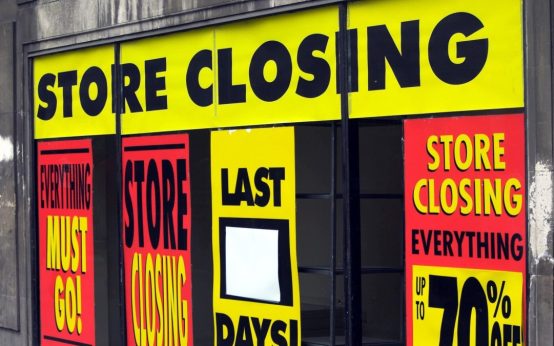 Iconic Bookstore Chain to Close More Stores in 2026
  Walmart’s $66 Folding Bench Chair: Perfect for Outdoor Events
  Galaxy S26 Revolution: Agentic AI Arrives, Surpassing Samsung Expectations
  Struggling Burger Chain Shuts Down 55 Locations Nationwide