


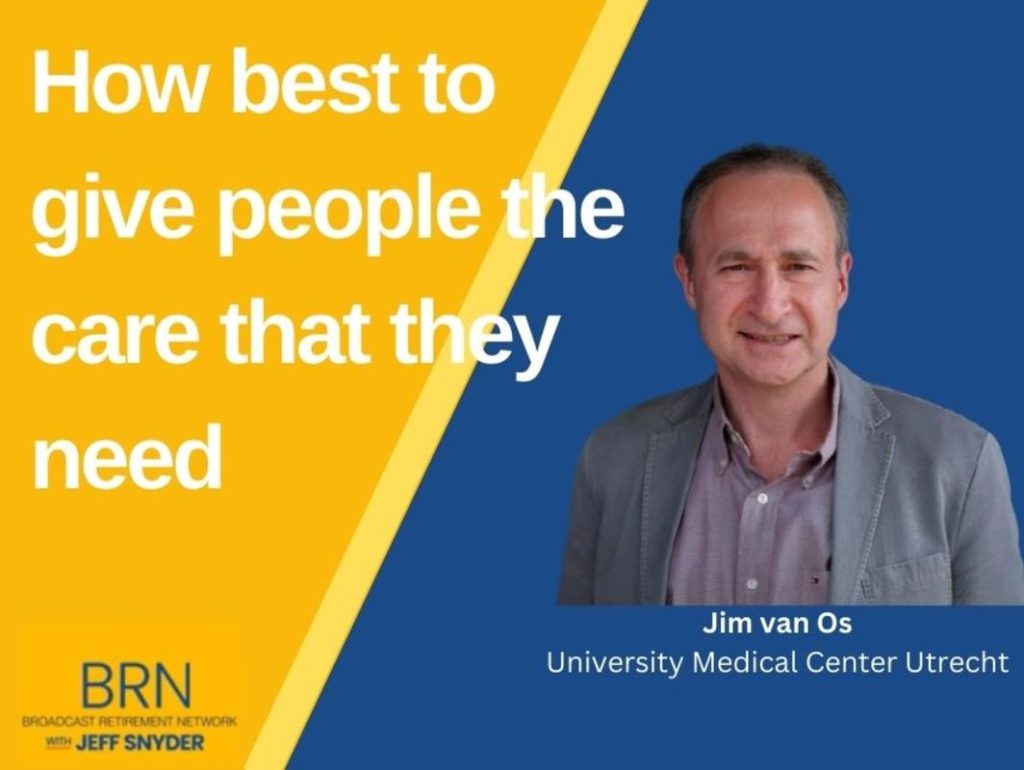
As the healthcare industry continues to evolve, delivering personalized care to patients has become a top priority, with experts like Dr. Jim Van Os of the University Medical Center Utrecht and Jeffrey Snyder of the Broadcast Retirement Network weighing in on the most effective strategies.
Key Takeaways
- Personalized care is becoming increasingly important in the healthcare industry, with a focus on tailoring treatment to individual patient needs.
- Experts like Dr. Jim Van Os and Jeffrey Snyder are discussing the best ways to deliver personalized care, including the use of technology and data analysis.
- The goal of personalized care is to improve patient outcomes and reduce costs, making it a key area of focus for healthcare providers and investors alike.
Delivering Personalized Care: A Deep Dive
Delivering personalized care to patients requires a comprehensive approach, taking into account individual patient needs, medical histories, and lifestyle factors. Dr. Jim Van Os, of the University Medical Center Utrecht, has extensive experience in this area, and his insights, shared with Jeffrey Snyder of the Broadcast Retirement Network, highlight the importance of a multifaceted approach to patient care.
Imagine a patient with a complex medical condition, requiring ongoing treatment and monitoring. A personalized care approach would involve a team of healthcare professionals, including doctors, nurses, and specialists, working together to develop a tailored treatment plan. This might include the use of data analytics to track patient progress, identify potential complications, and adjust treatment accordingly.
Historically, the healthcare industry has been slow to adopt personalized care approaches, instead relying on a one-size-fits-all model. However, with advances in technology and a growing focus on patient-centered care, this is changing. Similar to the shift towards value-based care in recent years, personalized care is becoming increasingly important, with healthcare providers and investors recognizing its potential to improve patient outcomes and reduce costs.
Context: Why This Matters Now
The current healthcare landscape is characterized by an aging population, an increase in chronic diseases, and a growing demand for high-quality, patient-centered care. At the same time, healthcare providers are facing pressure to reduce costs and improve efficiency, making personalized care a key area of focus. Inflation in healthcare costs is also a concern, with personalized care approaches potentially helping to mitigate this trend by reducing waste and improving outcomes.
The economic factors at play are complex, with the healthcare industry accounting for a significant proportion of GDP in many countries. As such, the shift towards personalized care has significant implications for investors, who must consider the potential impact on healthcare stocks, as well as the broader economy. For example, imagine an investor who bought into a healthcare company that specializes in personalized care, only to see the stock price rise as the company’s approach gains traction and recognition.
Pros and Cons for Your Portfolio
- Risk: One potential downside of investing in personalized care is the high upfront costs associated with implementing new technologies and training healthcare professionals. This could lead to reduced profitability in the short term, making it a risky investment for those with short-term goals.
- Opportunity: On the other hand, personalized care has the potential to improve patient outcomes, reduce costs, and increase efficiency, making it an attractive investment opportunity for those with a long-term perspective. Companies that specialize in personalized care may see significant growth and returns, as the demand for high-quality, patient-centered care continues to rise.
What This Means for Investors
For investors, the shift towards personalized care presents both opportunities and challenges. On the one hand, companies that specialize in personalized care may offer significant growth potential, as the demand for high-quality, patient-centered care continues to rise. On the other hand, investors must carefully consider the potential risks and downsides, including high upfront costs and the potential for reduced profitability in the short term.
Ultimately, a strategic approach to investing in personalized care is essential, with investors needing to weigh the potential benefits against the potential risks. This might involve diversifying a portfolio to include a range of healthcare stocks, as well as considering the potential for dividend yields and long-term growth. By taking a thoughtful and informed approach, investors can capitalize on the opportunities presented by personalized care, while minimizing their exposure to potential risks.

 Walmart’s $189 Open-Ear Headphones Now $30: Limited Time Offer
  AMC Unveils Exclusive Loyalty Perk Amid Financial Struggles
  Unbeatable $53 Android Tablet: Easy Setup for All
  Home Depot vs Lowe’s: Who’s Winning the Retail Battle?
  Italian Restaurant Chain Closes Last Locations After Decades
  Top-Rated GPS Smartwatch Now $40: Amazon Sale