


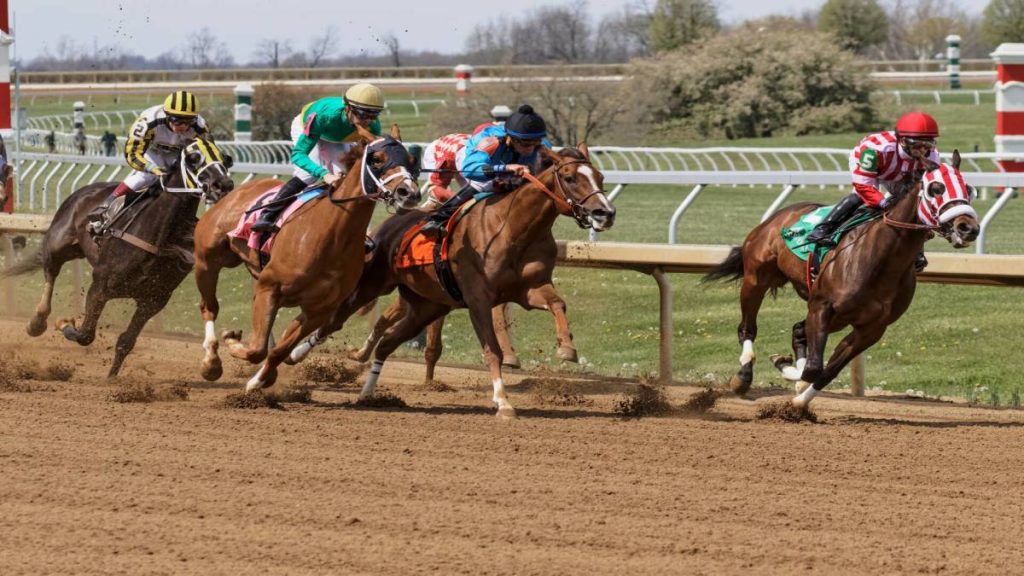
The U.S. horse racing industry is facing a significant crisis, with at least a dozen racetrack closings since the Covid-19 pandemic in 2020, and a staggering 49 closures since 2000, according to Horseracing Wrongs.org, leaving investors and enthusiasts wondering what’s next for this beleaguered sector.
Key Takeaways
- The U.S. horse racing industry has experienced a significant decline in recent years, with numerous racetrack closures.
- The expansion of casino gambling and sportsbook betting has been cited as a major factor contributing to the decline of the horse racing industry.
- Investors and industry stakeholders are left to ponder the future of horse racing and the potential implications for their portfolios.
Deep Dive: The State of the U.S. Horse Racing Industry
The U.S. horse racing industry has been facing significant challenges in recent years, with the rise of alternative forms of entertainment and betting options, such as casino gambling and sportsbook betting, drawing audiences and revenue away from traditional horse racing. This shift in consumer behavior has led to a decline in attendance and revenue for many racetracks, making it difficult for them to remain viable.
Imagine an investor who had invested in a racetrack in the early 2000s, when the industry was still thriving. As the years went by, they would have seen their investment decline in value, as the racetrack struggled to compete with the rise of alternative betting options. This scenario is not unique, as many investors have seen their investments in the horse racing industry decline significantly over the past two decades.
Horse racing is a highly regulated industry, with many racetracks relying on government subsidies and funding to operate. However, with the rise of alternative forms of entertainment and betting, many governments have begun to reassess their support for the industry. This shift in government support has further exacerbated the challenges faced by the horse racing industry, making it even more difficult for racetracks to remain viable.
Context: Why This Matters Now
The decline of the U.S. horse racing industry is not an isolated phenomenon, but rather part of a broader trend of disruption in the entertainment and betting sectors. The rise of online betting and gaming has transformed the way people engage with sports and entertainment, and the horse racing industry has been slow to adapt to these changes. As a result, the industry is facing significant challenges, including declining attendance and revenue, and increased competition from alternative forms of entertainment and betting.
Similar to the decline of the newspaper industry in the early 2000s, the horse racing industry is facing a significant disruption to its traditional business model. The rise of online betting and gaming has transformed the way people engage with sports and entertainment, and the horse racing industry must adapt to these changes in order to remain viable. This requires a significant investment in technology and infrastructure, as well as a willingness to innovate and experiment with new products and services.
The economic factors at play are complex, with the horse racing industry facing significant challenges, including declining attendance and revenue, and increased competition from alternative forms of entertainment and betting. The inflation of betting options, including online betting and gaming, has further exacerbated these challenges, making it even more difficult for the horse racing industry to compete.
Pros and Cons for Your Portfolio
- Risk: The decline of the U.S. horse racing industry poses a significant risk to investors who have invested in racetracks or related businesses. The decline in attendance and revenue, combined with increased competition from alternative forms of entertainment and betting, makes it difficult for these businesses to remain viable.
- Opportunity: However, the decline of the U.S. horse racing industry also presents opportunities for investors who are willing to take a long-term view and invest in the development of new products and services. For example, investing in online betting and gaming platforms, or in companies that specialize in horse racing technology and infrastructure, could provide a significant return on investment in the long term.
What This Means for Investors
For investors, the decline of the U.S. horse racing industry requires a careful and nuanced approach. While the decline of the industry poses significant risks, it also presents opportunities for those who are willing to take a long-term view and invest in the development of new products and services. Investors should carefully consider their options, and seek out opportunities that align with their investment goals and risk tolerance.
Imagine an investor who is considering investing in a racetrack or related business. They should carefully evaluate the potential risks and rewards, and consider alternative investment options, such as online betting and gaming platforms, or companies that specialize in horse racing technology and infrastructure. By taking a careful and nuanced approach, investors can minimize their risks and maximize their returns, even in a declining industry.
In conclusion, the decline of the U.S. horse racing industry is a complex and multifaceted issue, with significant implications for investors and industry stakeholders. While the decline of the industry poses significant risks, it also presents opportunities for those who are willing to take a long-term view and invest in the development of new products and services. By carefully considering their options, and seeking out opportunities that align with their investment goals and risk tolerance, investors can navigate this challenging landscape and achieve their investment objectives.

 Altman Sets AI Rules: Pentagon’s 3 Key Restrictions Explained
  Fed Rate Cut Bets Under Threat From Oil Shock
  IonQ Stock Soars After Beating Earnings Expectations
  Walmart’s Folding Treadmill with Bluetooth Drops to $280
  J.P. Morgan Slashes 2026 Oil Price Forecast: Key Implications
  Spring Sale: Get Boho Comforter Set for $44, Save $26