


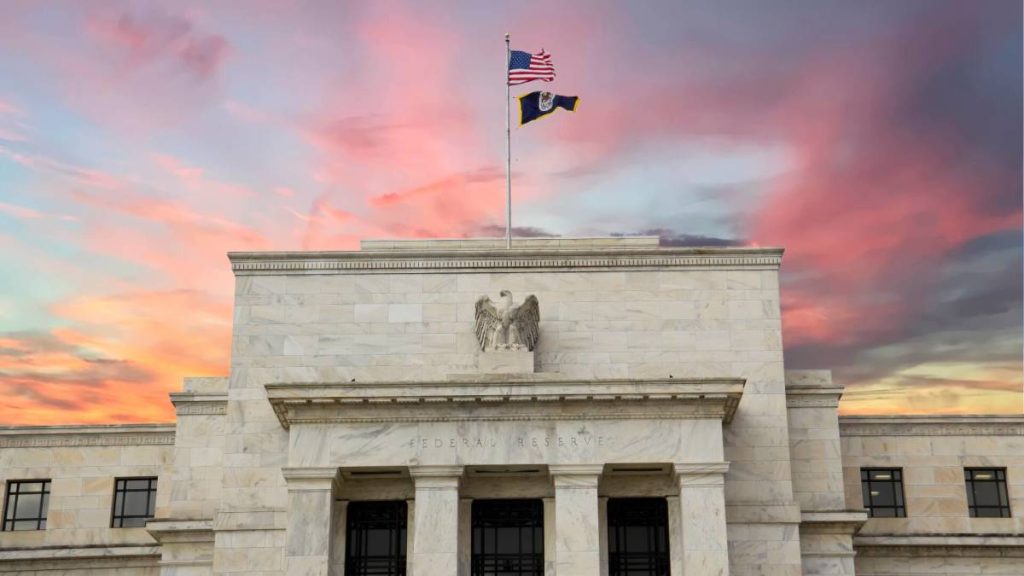
The Federal Reserve’s decision to grant a crypto firm direct access to America’s core payments systems marks a significant milestone in the evolution of the digital asset industry, potentially paving the way for greater mainstream adoption and investment opportunities.
Key Takeaways
- The Federal Reserve has granted a crypto firm direct access to the US payment system, a first for the industry.
- This move could help reshape the $2.3 trillion digital asset industry by increasing accessibility and legitimacy.
- The decision is a major victory for the crypto industry, which has been striving for years to gain greater recognition and integration into traditional financial systems.
Crypto and the US Payment System: A Deep Dive
The Federal Reserve’s decision to allow a crypto firm to access the US payment system is a historic breakthrough, as it marks the first time a digital asset company has been granted direct access to the country’s core financial infrastructure. This move could have far-reaching implications for the industry, potentially leading to increased adoption and investment in digital assets.
Imagine an investor who has been interested in crypto but has been hesitant to enter the market due to concerns about the industry’s lack of regulation and infrastructure. With the Federal Reserve’s decision, this investor may now feel more confident in investing in digital assets, as they will have access to a more traditional and secure payment system.
Historically, the crypto industry has faced significant challenges in gaining recognition and acceptance from traditional financial institutions. However, with the rise of digital assets and the growing demand for alternative investment opportunities, the industry has been working tirelessly to increase its legitimacy and accessibility. Similar to the 2021 tech boom, which saw a surge in investment in technology stocks, the crypto industry is now experiencing its own period of rapid growth and adoption.
Context: Why This Matters Now
The Federal Reserve’s decision to grant a crypto firm access to the US payment system is not an isolated event, but rather part of a broader trend towards greater acceptance and regulation of digital assets. In recent years, there has been a significant increase in investment in the crypto industry, with many institutional investors and traditional financial institutions entering the market. This shift is driven in part by the growing recognition of the potential benefits of digital assets, including their ability to provide fast and secure transactions, as well as their potential for high returns on investment.
The current economic environment, characterized by low interest rates and a growing demand for alternative investment opportunities, has also contributed to the increased interest in digital assets. As investors seek to diversify their portfolios and generate returns in a low-yield environment, they are increasingly turning to digital assets as a potential solution. The Federal Reserve’s decision to grant a crypto firm access to the US payment system is a significant step towards increasing the legitimacy and accessibility of digital assets, and is likely to further fuel the growth of the industry.
Pros and Cons for Your Portfolio
- Risk: One potential downside of investing in digital assets is the high level of volatility in the market, which can result in significant losses if not managed properly. Additionally, the lack of regulation and oversight in the industry can increase the risk of fraud and other illicit activities.
- Opportunity: On the other hand, the potential benefits of investing in digital assets are significant, including the potential for high returns on investment and the ability to diversify a portfolio. With the Federal Reserve’s decision to grant a crypto firm access to the US payment system, the industry is likely to experience increased growth and adoption, which could lead to significant returns on investment for those who are willing to take on the risks.
What This Means for Investors
In light of the Federal Reserve’s decision, investors should carefully consider their investment strategies and weigh the potential risks and benefits of investing in digital assets. For those who are interested in entering the market, it may be wise to start by investing a small portion of their portfolio and gradually increasing their investment over time. It is also essential to conduct thorough research and due diligence on any potential investments, and to seek the advice of a financial advisor if necessary.
Ultimately, the Federal Reserve’s decision to grant a crypto firm access to the US payment system is a significant step towards increasing the legitimacy and accessibility of digital assets, and is likely to have far-reaching implications for the industry. As the market continues to evolve, it will be essential for investors to stay informed and adapt their strategies accordingly, in order to capitalize on the potential opportunities and minimize the risks associated with investing in digital assets.
As the crypto industry continues to grow and mature, it is likely that we will see increased investment and adoption of digital assets, which could lead to significant returns on investment for those who are willing to take on the risks. With the Federal Reserve’s decision, the industry has taken a significant step towards greater mainstream acceptance, and it will be exciting to see how the market evolves in the coming months and years.

 Macy’s $50 Floral Comforter Set: 8-Piece Bargain Alert
  Nvidia Stock Alert: Jensen Huang’s Warning Explained
  Nvidia-Backed Stock Surges: Expert Uncovers Hidden Gem
  Walmart’s Waterproof Bluetooth Speaker Now $14: Clear Sound Deal
  Cathie Wood Invests $15M in Top AI Stock: What’s Next
  Broadcom Price Target Reset: Morgan Stanley’s Post-Earnings Analysis