



The once-stable retail landscape in North America is undergoing a significant transformation, marked by the increasing presence of liquidation sales and store-closing signs at iconic mall anchors, signaling a challenging period for the retail sector and impacting local shopping options.
Key Takeaways
- The retail sector is experiencing significant challenges, with major department store chains like Macy’s facing difficulties.
- Store closures and liquidation sales are becoming more common, affecting local communities and indicating a shift in consumer behavior.
- Investors should be aware of the potential implications of these changes on their portfolios and consider strategies to mitigate risks or capitalize on opportunities.
Retail Chain Undergoes Sale: A Deep Dive
The news of a retail chain undergoing a sale is not an isolated incident, but rather part of a larger trend affecting the retail sector. As consumers increasingly turn to online shopping, traditional brick-and-mortar stores are struggling to adapt, leading to a surge in store closures and liquidation sales. Major department store chains like Macy’s are not immune to these challenges, and their struggles can have far-reaching consequences for investors, employees, and local communities.
Context: Why This Matters Now
The current retail landscape is shaped by various economic factors, including inflation, which can erode consumer purchasing power and lead to decreased sales for retailers. Imagine an investor who bought into a retail stock a few years ago, only to see the value decline as the company struggled to compete with online retailers. This scenario is not unique, as similar challenges have been faced by retailers in the past, such as during the 2008 financial crisis, when many retailers were forced to close stores or undergo significant restructuring. Today, the rise of e-commerce and changing consumer behavior are driving the need for retailers to adapt and evolve, making it essential for investors to stay informed and adjust their strategies accordingly.
Pros and Cons for Your Portfolio
- Risk: Investing in a struggling retail chain can be risky, as the company may not be able to recover from its current challenges, leading to potential losses for investors.
- Opportunity: On the other hand, a retail chain undergoing a sale may present an opportunity for investors to acquire assets at a discounted price, potentially leading to long-term gains if the company can successfully restructure and adapt to changing market conditions.
What This Means for Investors
Given the current state of the retail sector, investors should exercise caution and carefully consider their investment strategies. It may be wise to diversify portfolios to minimize exposure to any one particular sector or stock, while also keeping an eye out for potential opportunities to invest in retailers that are well-positioned to adapt to changing market conditions. For example, investors may consider companies that have a strong online presence or are focused on experiential retail, which can help drive customer engagement and loyalty. Ultimately, a strategic and informed approach will be essential for investors to navigate the evolving retail landscape and make informed decisions about their portfolios.
Historical Context and Future Outlook
Similar to the 2008 financial crisis, the current retail landscape is undergoing a significant transformation, driven by changes in consumer behavior and technological advancements. However, unlike the past, today’s retailers have the opportunity to leverage data analytics, artificial intelligence, and other digital tools to better understand their customers and create more personalized shopping experiences. As investors, it is essential to consider the potential long-term implications of these changes and adjust strategies accordingly. By doing so, investors can position themselves for success in a rapidly evolving retail landscape.
Investment Strategies for a Changing Retail Landscape
Investors should consider a range of strategies to navigate the changing retail landscape, including diversification, active management, and a focus on companies with strong online presence and adaptability. Imagine an investor who allocates a portion of their portfolio to a retail-focused exchange-traded fund (ETF), providing broad exposure to the sector while minimizing risk. Alternatively, investors may consider investing in companies that provide services to retailers, such as logistics or marketing firms, which can benefit from the growth of e-commerce. By taking a proactive and informed approach, investors can capitalize on opportunities and mitigate risks in a rapidly evolving retail landscape.
Conclusion and Future Directions
In conclusion, the retail chain sale is a symptom of a larger trend affecting the retail sector, driven by changes in consumer behavior and technological advancements. As investors, it is essential to stay informed and adapt strategies to navigate this evolving landscape. By considering the potential risks and opportunities, investors can position themselves for success and capitalize on the growth of e-commerce and other emerging trends. As the retail landscape continues to evolve, investors should remain vigilant and proactive, seeking out opportunities to invest in companies that are well-positioned to thrive in a rapidly changing environment.

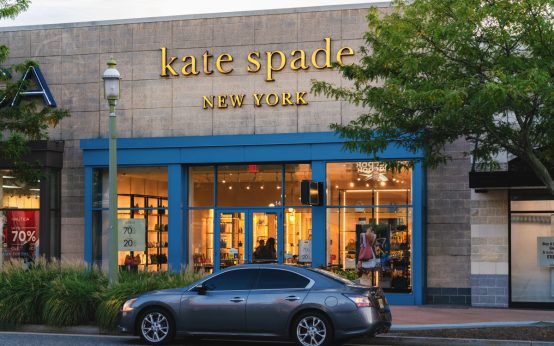 Kate Spade $349 Carryall Bag Now 61% Off with Floral Charm
 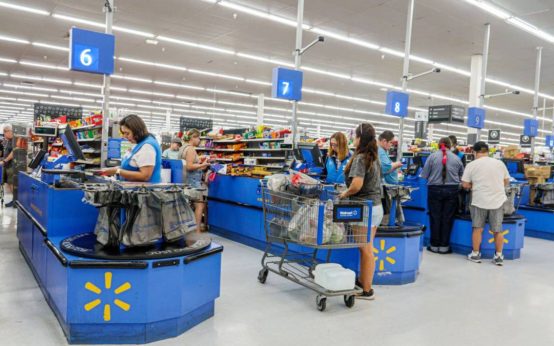 Rustic 4-Tier Bookshelf with Drawer on Sale for $25, Holds 120 Pounds
  Nvidia Stock Price Target Upgraded by Top Analyst
  Swarovski Rose Earrings: $16 3-Color Gold Deal at Walmart
  Broadcom Price Target Reset: Analyst Upgrade Before Earnings
  On Holding CEO on Navigating Growth and Challenges