


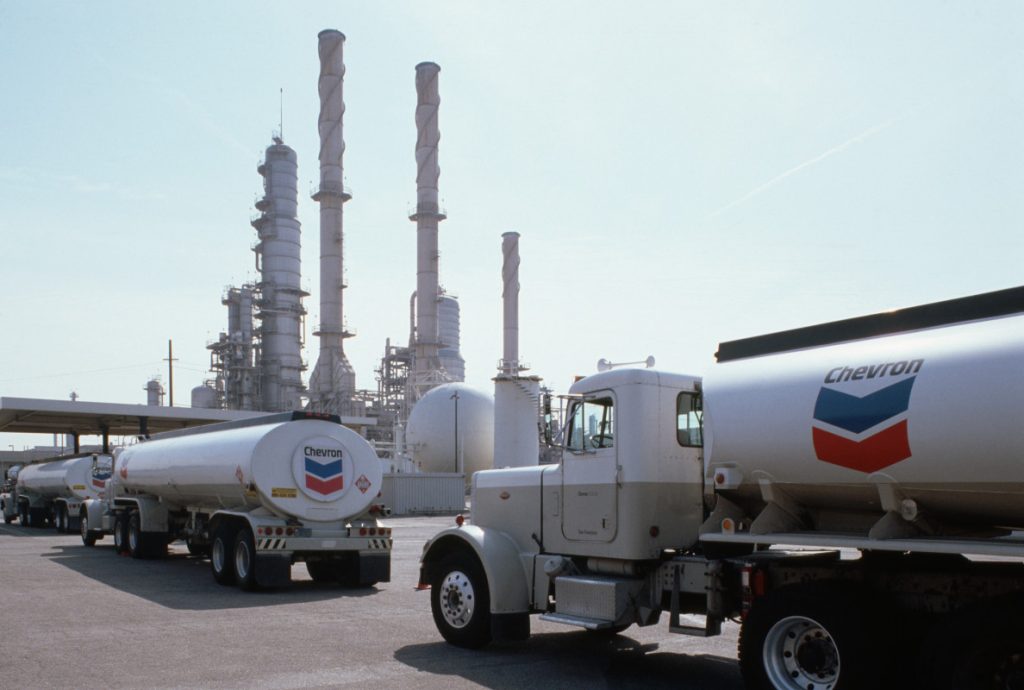
The escalating tensions between the U.S., Israel, and Iran have officially reached the doorstep of energy giant Chevron, as the company has been ordered to shut down its Leviathan gas field, sparking concerns among investors about the potential impact on the global energy market and Chevron’s stock performance.
Key Takeaways
- Chevron has been ordered to shut down its Leviathan gas field due to increased security risks following joint U.S.-Israeli strikes on Iran and retaliatory attacks.
- The shutdown of the Leviathan gas field may lead to a decrease in Chevron’s revenue and potentially impact the company’s growth prospects in the Middle East.
- The conflict between the U.S., Israel, and Iran may lead to increased volatility in the global energy market, affecting the stock prices of energy companies like Chevron.
Chevron and the Leviathan Gas Field: A Deep Dive
The Leviathan gas field, located off the coast of Israel, is a significant energy project for Chevron, with the company holding a 39.66% stake in the field. The field is one of the largest gas discoveries in the Mediterranean and has been a key driver of Chevron’s growth in the region. The shutdown of the field may lead to a significant decrease in Chevron’s revenue, as the company relies heavily on the field for its gas production in the region.
Imagine an investor who bought Chevron stock last year, anticipating the company’s growth prospects in the Middle East. With the shutdown of the Leviathan gas field, this investor may be concerned about the potential impact on Chevron’s stock price and the company’s ability to meet its growth targets. This scenario highlights the importance of considering geopolitical risks when investing in energy companies with operations in sensitive regions.
Context: Why This Matters Now
The conflict between the U.S., Israel, and Iran has been escalating in recent months, with both sides engaging in military strikes and retaliatory attacks. This conflict has raised concerns about the security of critical energy infrastructure in the region, including the Leviathan gas field. The shutdown of the field is a precautionary measure to protect the field and its workers from potential attacks.
Similar to the 1990-1991 Gulf War, the current conflict in the Middle East may lead to increased inflation in the region, as the price of oil and gas may rise due to supply chain disruptions. This may have a ripple effect on the global economy, leading to higher prices for consumers and potentially impacting the stock market. Historically, conflicts in the Middle East have led to increased volatility in the energy market, making it essential for investors to stay informed and adapt their investment strategies accordingly.
Pros and Cons for Your Portfolio
- Risk: The shutdown of the Leviathan gas field may lead to a decrease in Chevron’s revenue, potentially impacting the company’s stock price and affecting investors who hold Chevron stock.
- Opportunity: The conflict in the Middle East may lead to increased demand for oil and gas, potentially benefiting energy companies like Chevron in the long term, as the company may be able to capitalize on the increased demand and higher prices.
For example, imagine an investor who has a diversified portfolio with a mix of energy stocks, including Chevron. While the shutdown of the Leviathan gas field may impact Chevron’s stock price, the investor’s diversified portfolio may help mitigate the risk, as other energy stocks may benefit from the increased demand for oil and gas.
What This Means for Investors
Given the current situation, investors should exercise caution when investing in energy companies with operations in the Middle East. It is essential to consider the potential risks and opportunities associated with investing in these companies and to stay informed about the developments in the region. Investors may want to diversify their portfolios to mitigate the risk of a potential decline in Chevron’s stock price, while also being prepared to capitalize on potential opportunities in the energy market.
A strategic perspective for investors would be to monitor the situation closely and adjust their investment strategies accordingly. This may involve hedging against potential losses or exploring alternative investment opportunities in the energy sector. By staying informed and adapting to the changing market conditions, investors can navigate the complexities of the energy market and make informed investment decisions.

 Milwaukee M18 Fuel Saw Now $139: $108 Off Amazon Deal
  Macy’s $27 Reversible Quilt and Tote Bag Set: $63 Off Sale
  Robinhood Launches Exclusive Platinum Credit Card for High-Net-Worth Users
  Cottagecore Solar Lanterns on Sale for $14: Walmart’s Top Picks
  Rolling Clothing Rack: Organize Your Space for Just $20
  Asia Chip Slump Sparks Global Stock Crash: What’s Next?