



As the world’s second-largest publicly traded company, Apple’s valuation of over $3.8 trillion has significant implications for investors, with its stock price and quarterly dividend payments making it a desirable addition to many portfolios.
Key Takeaways
- Apple’s market value exceeds $3.8 trillion, solidifying its position as a major player in the global economy.
- The company has a history of rewarding investors through both stock price appreciation and dividend payments, which resumed in 2012.
- Understanding Apple’s ownership breakdown, including institutional holdings and insider shares, is crucial for investors looking to make informed decisions.
Apple Ownership Breakdown: A Deep Dive
Apple’s ownership structure is complex, with a mix of institutional investors, individual investors, and insiders holding significant stakes in the company. Institutional investors, such as pension funds, mutual funds, and hedge funds, own a substantial portion of Apple’s outstanding shares. These investors often have a long-term perspective and can exert significant influence over the company’s strategy and direction.
Insider shares, held by Apple’s executives, directors, and employees, also play a crucial role in the company’s ownership structure. Insiders have a vested interest in the company’s success and can provide valuable insights into its operations and future prospects. However, insider ownership can also be a double-edged sword, as it can lead to conflicts of interest and impact the company’s decision-making process.
Context: Why This Matters Now
The current market environment, characterized by low interest rates and a search for yield, has led to increased demand for dividend-paying stocks like Apple. The company’s decision to resume dividend payments in 2012 has made it an attractive option for income-seeking investors. Additionally, Apple’s strong brand, loyal customer base, and innovative products have enabled it to maintain a competitive edge in the technology sector.
Historically, similar trends have been observed in the technology sector, where companies with strong brand recognition and innovative products have been able to maintain a competitive advantage. For example, during the 2021 tech boom, companies like Amazon and Microsoft saw significant increases in their stock prices, driven by their dominance in the cloud computing and e-commerce spaces.
Pros and Cons for Your Portfolio
- Risk: One potential downside of investing in Apple is the company’s dependence on a few key products, such as the iPhone, which can make it vulnerable to disruptions in the global supply chain or changes in consumer preferences.
- Opportunity: On the other hand, Apple’s diversified product lineup, including services like Apple Music and Apple TV+, offers significant growth opportunities, particularly in emerging markets where demand for technology products is increasing rapidly.
What This Means for Investors
For investors considering adding Apple to their portfolio, it is essential to weigh the potential benefits against the risks. A long-term perspective and a well-diversified portfolio can help mitigate some of the risks associated with investing in a single stock. Additionally, investors should consider their individual financial goals, risk tolerance, and time horizon before making any investment decisions.
Imagine an investor who bought Apple stock in 2012, when the company first resumed dividend payments. Over the past decade, this investor would have seen significant returns, driven by the company’s strong financial performance and increasing dividend payments. However, this investor would also have been exposed to the risks associated with investing in a single stock, including volatility and potential declines in the stock price.
Strategic Perspective
From a strategic perspective, investors may consider a dollar-cost averaging approach, where they invest a fixed amount of money at regular intervals, regardless of the market’s performance. This can help reduce the impact of market volatility and timing risks. Furthermore, investors may also consider diversifying their portfolio by investing in other technology stocks or ETFs, which can provide broader exposure to the sector and reduce dependence on a single stock.
In conclusion, Apple’s ownership breakdown and institutional holdings offer valuable insights for investors looking to make informed decisions. While there are potential risks associated with investing in Apple, the company’s strong brand, loyal customer base, and innovative products make it an attractive option for long-term investors. By weighing the pros and cons, considering their individual financial goals and risk tolerance, and adopting a strategic perspective, investors can make informed decisions and potentially benefit from Apple’s continued growth and success.
Future Outlook
Looking ahead, Apple’s future prospects appear promising, driven by its continued innovation, expanding product lineup, and growing services segment. The company’s commitment to research and development, as well as its strategic acquisitions, are expected to drive growth and maintain its competitive edge in the technology sector. As the global economy continues to evolve, Apple’s ability to adapt and innovate will be crucial in maintaining its position as a leader in the technology industry.
Similar to the 2008 crash, where companies with strong balance sheets and diversified product lines were better equipped to weather the economic downturn, Apple’s financial strength and diversified product lineup position it well to navigate potential future market disruptions. By understanding Apple’s ownership breakdown, institutional holdings, and insider shares, investors can gain valuable insights into the company’s prospects and make informed decisions about their investment portfolio.

 Apple’s Latest Innovation: A Game-Changing Breakthrough
  Stock Market Inflation Risk Exposed by Oil Shock
  Loved Signature Canvas Collection: Affordable Luxe Starts at $35
  Milwaukee M18 Fuel Saw Now $139: $108 Off Amazon Deal
  Macy’s $27 Reversible Quilt and Tote Bag Set: $63 Off Sale
 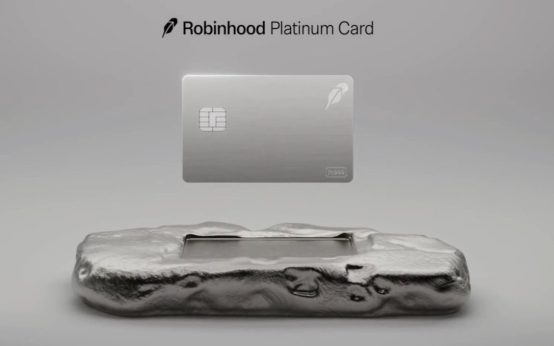 Robinhood Launches Exclusive Platinum Credit Card for High-Net-Worth Users