


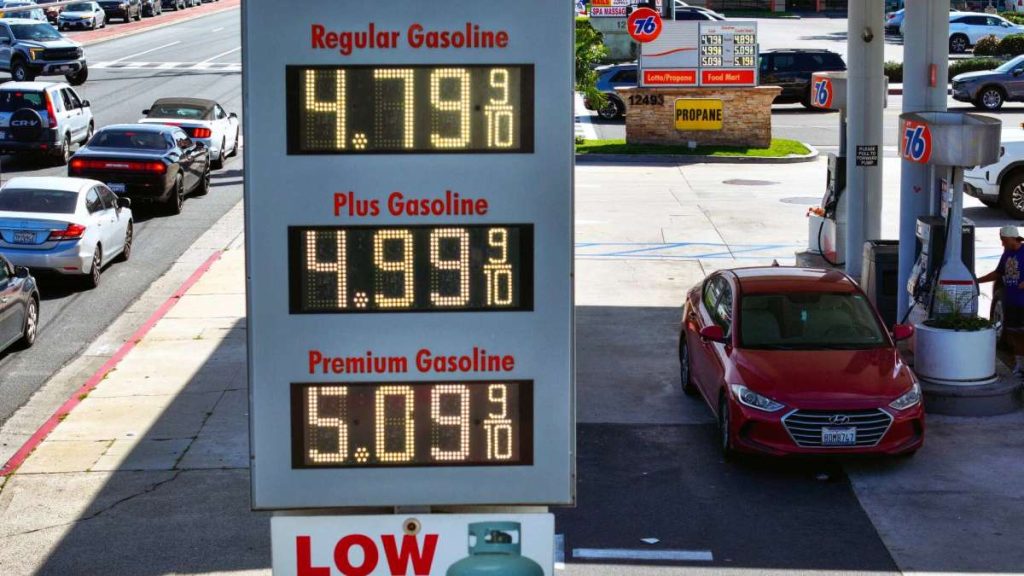
The recent surge in gas prices, up 9% to an 11-month high, has left investors and consumers alike wondering what’s next for the energy market, especially amidst the ongoing U.S.-Israel conflict with Iran.
Key Takeaways
- Gas prices have increased by 27 cents a gallon, reaching the highest levels since April 2025.
- The conflict between the U.S., Israel, and Iran is a significant factor influencing crude oil prices and, consequently, gas prices.
- Understanding the dynamics of the energy market and geopolitical tensions is crucial for making informed investment decisions.
Deep Dive into the Energy Market
The energy market, particularly the crude oil sector, is heavily influenced by geopolitical events. The current conflict between the U.S., Israel, and Iran is a prime example of how political tensions can impact oil prices. When such conflicts arise, they can disrupt oil production and distribution, leading to scarcity and higher prices. This is because oil-producing countries in the Middle East are critical to the global oil supply, and any instability in the region can affect the flow of oil to the global market.
Imagine an investor who bought oil futures a month ago, anticipating a stable market. With the recent surge in prices, this investor could potentially reap significant gains, but the volatile nature of the market also means that prices could drop just as quickly, leading to losses. This scenario highlights the volatility of the energy market and the need for careful analysis and strategic planning.
Context: Why This Matters Now
The current situation is reminiscent of historical events where geopolitical tensions have led to significant fluctuations in oil prices. Similar to the 1973 oil embargo, where prices skyrocketed due to political instability in the Middle East, today’s conflict is having a direct impact on the energy market. The difference now is the complex interplay of global events, economic factors, and the role of alternative energy sources, which can mitigate some of the effects of oil price volatility.
The concept of inflation is also relevant here, as higher oil prices can lead to increased production costs for goods and services, potentially driving up inflation rates. This is because businesses may pass on the higher costs of production, including the cost of energy, to consumers through higher prices. Understanding how inflation works in this context is crucial for investors, as it can impact the purchasing power of consumers and, by extension, the performance of investments.
Pros and Cons for Your Portfolio
- Risk: The volatility of the energy market, exacerbated by geopolitical tensions, poses a significant risk to investments. If the conflict escalates, leading to further disruptions in oil production and distribution, prices could rise even higher, potentially affecting the profitability of investments in the energy sector.
- Opportunity: On the other hand, the current situation also presents opportunities for investors. Companies involved in alternative energy sources, such as solar or wind power, could see increased demand and growth as consumers and governments seek to reduce dependence on fossil fuels. Moreover, investors who can accurately predict market trends and adjust their portfolios accordingly could capitalize on the volatility of the energy market.
What This Means for Investors
Given the complex and volatile nature of the current energy market, investors should adopt a strategic and informed approach. This includes diversifying portfolios to mitigate risk, keeping a close eye on geopolitical developments, and considering investments in alternative energy sources. It’s also crucial to understand the hedging strategies that can be employed to protect against potential losses due to price volatility. By taking a proactive and well-informed stance, investors can navigate the challenges presented by the current market and potentially capitalize on the opportunities that arise.
In conclusion, the surge in gas prices to an 11-month high, influenced by the U.S.-Israel conflict with Iran, underscores the importance of staying informed and adaptable in the investment landscape. By grasping the underlying factors driving market trends and making strategic decisions, investors can better navigate the complexities of the energy market and work towards achieving their investment goals.

 Robert Kiyosaki’s Wealth Secrets: Top Tips and Biggest Mistakes
  Disney Shakeup: What’s Behind Latest Executive Changes
  Credo’s Hidden Risk: Wall Street’s Overlooked Threat
  $1,600 Hidden Fee Angers Car Buyers: What You Need to Know
  Single-Step Futon Sofa Bed on Sale for $117 at Walmart
  Chick-fil-A Unveils 7 Exciting Spring 2026 Menu Items