


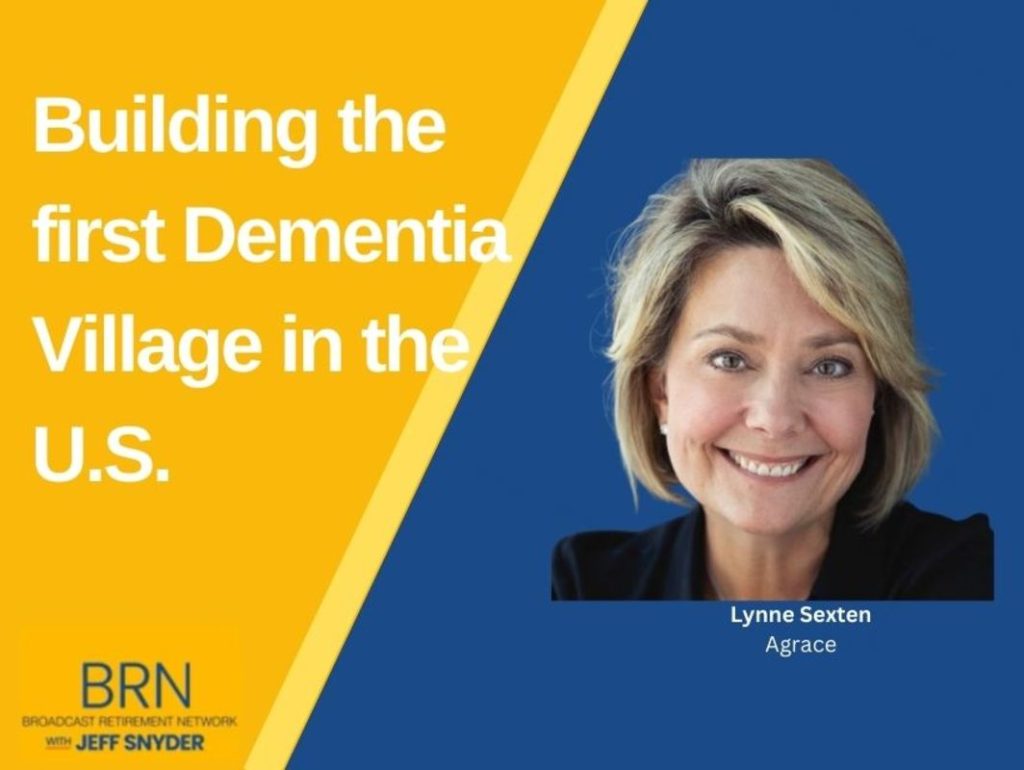
As the US population ages, a new concept in elder care is emerging, with the first dementia village in America set to revolutionize the way we approach care for those suffering from dementia, potentially creating new investment opportunities in the healthcare sector.
Key Takeaways
- The first dementia village in the US is being planned, aiming to provide a unique and supportive environment for individuals with dementia.
- This innovative approach to elder care could have significant implications for the healthcare industry and related investments.
- Investors should consider the potential benefits and risks of investing in this emerging trend, including the impact of inflation on healthcare costs and the demand for specialized care services.
Dementia Villages: A Deep Dive
The concept of dementia villages, where individuals with dementia can live in a supportive and specially designed environment, is not new. However, it is a relatively new concept in the US. Imagine a setting where residents can move freely, engage in various activities, and receive care tailored to their needs, all within a community designed to mimic a normal village setting. This approach focuses on providing a high quality of life, rather than just medical care, which could lead to better outcomes and higher satisfaction for both residents and their families.
Agrace, the organization behind this initiative, is working to bring this concept to the US, with Lynne Sexten discussing the plans with Jeffrey Snyder on the Broadcast Retirement Network. The village would offer a range of services, including medical care, therapy, and social activities, all designed to support individuals with dementia and their caregivers. By investing in such projects, investors could potentially benefit from the growing demand for elder care services, driven by the aging population and the increasing prevalence of dementia.
Context: Why This Matters Now
The US is experiencing a significant demographic shift, with the population aging rapidly. This shift is putting pressure on the healthcare system, particularly in terms of care for older adults with dementia. The current care system often focuses on medical treatment rather than providing a supportive environment that caters to the specific needs of individuals with dementia. The emergence of dementia villages could address this gap, offering a more holistic approach to care. Economic factors, such as the rising costs of healthcare and the impact of inflation on these costs, play a crucial role in the development of such projects, as they affect the affordability and accessibility of care services.
Historically, similar innovative care models have been successfully implemented in other countries, such as the Netherlands, where the first dementia village was established. These models have shown promising results in terms of resident satisfaction, quality of life, and even cost-effectiveness. For instance, by reducing the need for hospitalizations and emergency services, dementia villages could help mitigate the financial burden on the healthcare system, making them an attractive option for investors looking to support innovative and sustainable healthcare solutions.
Pros and Cons for Your Portfolio
- Risk: Investing in a new and relatively untested concept in the US, such as dementia villages, comes with risks, including the potential for higher upfront costs and uncertainties regarding long-term sustainability and profitability.
- Opportunity: The growing demand for elder care services, coupled with the innovative approach of dementia villages, presents an opportunity for investors to be part of a potentially lucrative and socially impactful industry, with the possibility of long-term returns and the satisfaction of supporting a critical social need.
What This Means for Investors
Investors considering the dementia village concept should take a strategic perspective, weighing the potential benefits against the risks. It’s essential to conduct thorough research, looking into the financials of similar projects, the demand for such services in the target area, and the regulatory environment. Given the demographic trends and the need for innovative elder care solutions, investing in dementia villages could be a forward-thinking strategy, offering the potential for both financial returns and positive social impact. However, it’s crucial to approach such investments with a long-term perspective, understanding that the development and operational phases of these projects may face challenges and require significant upfront investments.
For those interested in this emerging trend, it might be wise to diversify their portfolio by including a mix of established healthcare providers and innovative, smaller-scale projects like dementia villages. This balanced approach could help mitigate risks while still allowing investors to capitalize on the growing demand for specialized care services. As the healthcare landscape continues to evolve, staying informed about developments in elder care and the potential for dementia villages to revolutionize this sector will be key for making informed investment decisions.

 Walmart’s Bestselling Hoodie Now $4: Limited Time Offer
  Victoria’s Secret Axes $400M Subscription Deal Program
  Vanguard Warns: 401(k) Withdrawals Surge as Americans Tap Retirement Funds Early
  Energy Giant to Boost Dividends as Oil Surges Past $90
  Venezuela’s Oil Comeback: What It Means for Global Markets Now
  T-Mobile Network Upgrade: What Customers Can Expect Now