

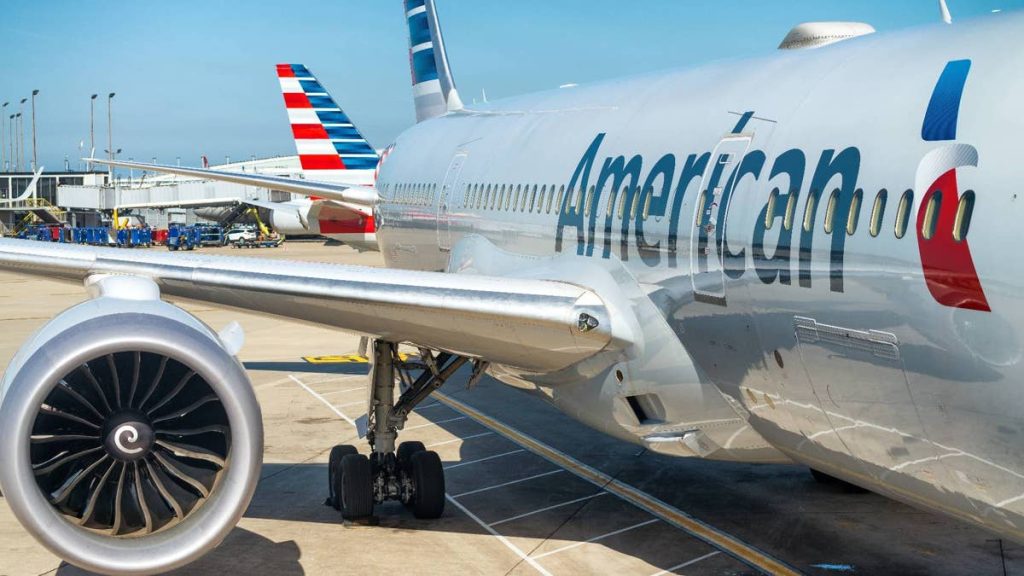
As American Airlines’ stock crashes in response to the collapse of a highly-anticipated merger with United Airlines, investors are left wondering what’s next for the company and the entire airline industry.
Key Takeaways
- American Airlines’ stock has lost significant value following the company’s statement dismissing a merger with United Airlines.
- The merger collapse has left investors searching for answers about the airline’s future and potential opportunities.
- Understanding the airline industry’s dynamics and the factors influencing American Airlines’ stock performance is crucial for investors.
Deep Dive: American Airlines’ Rejection of the United Merger
On April 17, American Airlines released a statement announcing that it was “not engaged with or interested in any discussions regarding a merger with United Airlines.” The news sent shockwaves through the market, causing American Airlines’ stock to plummet. This move has significant implications for the airline industry, as a merger between two of the largest carriers would have created a dominant player with immense market power.
The speculation surrounding a potential merger began to gain traction in recent months, with many analysts believing that such a deal could have provided a much-needed boost to American Airlines’ struggling stock. However, the company’s decision to reject the proposal has left investors wondering what lies ahead. The airline industry is highly competitive and subject to intense price pressure, making it challenging for carriers to maintain profitability.
One key factor influencing American Airlines’ stock performance is the ongoing impact of inflation. **Inflation** is a sustained increase in the general price level of goods and services in an economy over a period of time. In the context of the airline industry, inflation can lead to higher fuel costs, labor expenses, and other operational costs. When fuel prices rise, airlines must absorb the increased cost or pass it on to consumers, which can lead to lower demand and reduced revenue.
Context: Why This Matters Now
The airline industry has experienced significant disruption in recent years, with the COVID-19 pandemic causing widespread travel restrictions and a sharp decline in air travel demand. As the industry continues to recover, carriers are facing increased competition, rising costs, and shifting consumer preferences. The collapse of the American Airlines-United Airlines merger highlights the complexities and challenges facing the industry, making it essential for investors to stay informed and adapt to changing market conditions.
Imagine an investor who bought American Airlines’ stock in anticipation of a merger with United Airlines. With the deal now off the table, their investment is significantly devalued. However, this investor may still see opportunities in the airline industry, such as investing in a smaller carrier or a company that provides services to airlines, like aircraft manufacturers or travel technology providers.
Pros and Cons for Your Portfolio
- Risk: The collapse of the American Airlines-United Airlines merger increases the risk of further stock price volatility, as investors adjust to the new market reality.
- Opportunity: The airline industry’s ongoing transformation presents opportunities for investors to capitalize on emerging trends, such as increased demand for sustainable aviation fuels or innovative travel experiences.
What This Means for Investors
For investors considering American Airlines’ stock, it’s essential to take a strategic perspective. Rather than reacting to short-term market fluctuations, investors should focus on the company’s long-term prospects, including its ability to adapt to changing market conditions and capitalize on emerging trends. This may involve diversifying their portfolio to include a mix of airline stocks, as well as companies that provide services to the industry.
In the current market environment, investors should prioritize caution and carefully assess the potential risks and opportunities associated with American Airlines and the airline industry as a whole. By staying informed and adapting to changing market conditions, investors can make informed decisions and navigate the complexities of the airline industry.
Historical Context: Mergers and Acquisitions in the Airline Industry
The collapse of the American Airlines-United Airlines merger is not an isolated incident. Similar mergers and acquisitions have occurred throughout the airline industry’s history, often with mixed results. In 2010, United Airlines and Continental Airlines merged to form United Continental Holdings, Inc., which has since become one of the largest carriers in the world. However, this merger also led to significant job losses and operational challenges, highlighting the complexities of integrating two large airlines.
Investors should draw lessons from past mergers and acquisitions in the airline industry, recognizing that such deals can create significant opportunities but also pose significant risks. By understanding the historical context and ongoing dynamics of the industry, investors can make more informed decisions and navigate the challenges and opportunities that lie ahead.

