

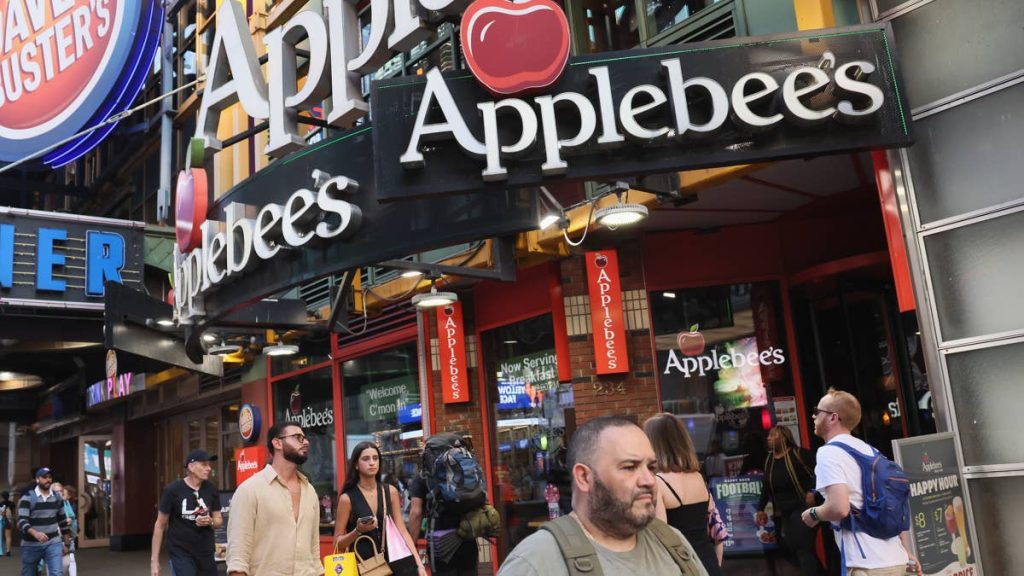
As the US economy continues to grapple with inflation and shifting consumer behaviors, restaurants like Applebee’s are capitalizing on the latest diet trend: high-protein foods.
Key Takeaways
- High-protein foods are the latest trend among health-conscious eaters, with restaurants and food brands offering a wide array of high-protein variants.
- Despite already getting plenty of protein, consumers are still seeking out high-protein options, leading to a surge in demand.
- Restaurants like Applebee’s are well-positioned to capitalize on this trend, with existing infrastructure and marketing strategies.
High-Protein Foods: A Growing Industry
High-protein foods have become a staple in many health-conscious consumers’ diets, with a wide array of groceries, snacks, and drinks offering high-protein variants. Food scientists have pointed out that most people are already getting plenty of protein, but that hasn’t stopped restaurants and food brands from offering more high-protein options.
Inflation and Consumer Behavior
So, what’s driving this trend? One key factor is inflation. As the cost of living increases, consumers are seeking out foods that provide a sense of value and satisfaction. High-protein foods fit the bill, as they are often seen as more filling and satisfying than low-protein alternatives. Inflation works by reducing the purchasing power of money, causing prices to rise. This, in turn, affects consumer behavior, leading to shifts in demand towards more affordable and satisfying options.
Imagine an investor who bought shares in a restaurant chain like Applebee’s a year ago. As the high-protein trend takes hold, the company’s sales are boosted, and the investor sees a significant increase in value. However, if inflation continues to rise, it may lead to higher costs for the restaurant, which could impact profitability. This highlights the importance of considering inflation when making investment decisions.
Historical Context
Similar to the rise of low-carb diets in the early 2000s, the high-protein trend is driven by shifting consumer attitudes towards health and wellness. Like the 2021 tech boom, which saw a surge in demand for technology stocks, the high-protein trend is likely to drive growth in the restaurant and food industries.
Pros and Cons for Your Portfolio
- Risk: The high-protein trend may be short-lived, and consumer preferences could shift towards other types of foods.
- Opportunity: Restaurants and food brands that capitalize on the high-protein trend may see significant growth and increased demand.
What This Means for Investors
For investors looking to capitalize on the high-protein trend, it’s essential to consider the risks and opportunities. While the trend may be driven by consumer behavior, it’s also influenced by broader economic factors like inflation. As such, it’s crucial to diversify your portfolio and keep a close eye on market trends and consumer behavior.
For Applebee’s and other restaurant chains, the high-protein trend presents both opportunities and challenges. On the one hand, it offers a chance to drive growth and increase sales. On the other hand, it may lead to increased costs and competition. As such, investors should carefully consider the company’s financials and market position before making any investment decisions.
Conclusion
The high-protein trend is the latest in a series of shifts in consumer behavior driven by health and wellness concerns. As the US economy continues to grapple with inflation, restaurants and food brands are well-positioned to capitalize on this trend. However, investors should be aware of the risks and opportunities and consider diversifying their portfolios to minimize exposure to any potential downturns.

