

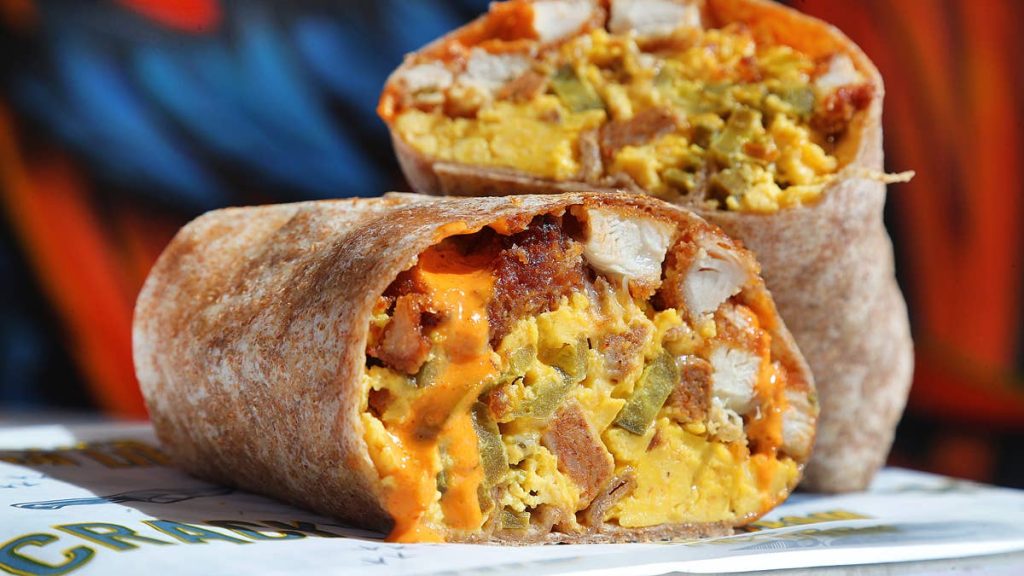
As the battle for fast-food dominance intensifies, a new value proposition is emerging, pitting Chipotle against its long-time rival Taco Bell in a bid for the price-conscious consumer.
Key Takeaways
- Chipotle is testing a new value strategy that deviates from its traditional premium pricing model.
- The move is likely a response to inflation, which has eroded consumer purchasing power and forced fast-food chains to reevaluate their pricing strategies.
- Taco Bell, with its existing value-focused approach, may benefit from the shift in consumer preferences.
Chipotle’s New Value Play
Chipotle, known for its commitment to using high-quality ingredients and sustainable farming practices, has traditionally commanded a premium price for its burritos, bowls, and tacos. However, with inflation pushing food prices higher and consumer budgets under pressure, the company is testing a new value strategy that looks very different from its playbook.
Context: Why This Matters Now
Inflation, a sustained increase in the general price level of goods and services, has been a major concern for consumers and businesses alike. As the inflation rate rises, the purchasing power of consumers decreases, forcing them to make trade-offs between quality, quantity, and price. In this environment, fast-food chains are under pressure to offer affordable options without sacrificing quality or compromising their brand image.
Imagine an investor who bought Chipotle stock in 2019, when it was trading around $500 per share. Over the past few years, the stock has more than doubled in value, driven by the company’s commitment to quality and its ability to maintain pricing power. However, with inflation now above 4%, the investor may be questioning whether Chipotle’s premium pricing model can sustain its growth momentum.
Similar to the 2008 financial crisis, when consumers became more price-sensitive and value-focused, fast-food chains like Taco Bell benefited from the shift in consumer preferences. Today, with inflation at historic highs, the trend is likely to repeat itself, with value-focused chains like Taco Bell poised to gain market share.
Pros and Cons for Your Portfolio
- Risk: Chipotle’s new value strategy may erode its premium pricing power and compromise its brand image, potentially affecting its long-term growth prospects.
- Opportunity: With Taco Bell’s existing value-focused approach, investors may see an opportunity to buy into a company that is well-positioned to benefit from the shift in consumer preferences and capture market share from premium-priced chains like Chipotle.
What This Means for Investors
As the battle for fast-food dominance intensifies, investors should be cautious about Chipotle’s new value strategy and its potential impact on the company’s growth prospects. While the move may be a short-term necessity, it may also compromise Chipotle’s long-term brand image and pricing power.
On the other hand, investors may see an opportunity to buy into Taco Bell, which has a proven track record of delivering value to consumers and capturing market share from premium-priced chains. With inflation likely to remain a major concern for consumers, Taco Bell’s value-focused approach may be a winning strategy in the short and long term.
Ultimately, investors should take a cautious approach and carefully evaluate the merits of each company’s strategy before making any investment decisions. As the fast-food landscape continues to evolve, one thing is clear: only the most adaptable and innovative chains will emerge victorious.
Historical Context: Lessons from the Past
Similar to the 2021 tech boom, when investors became enamored with companies that promised to disrupt traditional industries, the fast-food market is currently experiencing a similar trend. With the rise of delivery and online ordering, fast-food chains like Chipotle and Taco Bell are investing heavily in digital infrastructure to stay ahead of the competition.
However, as we saw in the 2021 tech boom, not all companies that promise disruption are successful in delivering on their promises. Investors should be cautious about investing in companies that are too far ahead of the curve and may struggle to deliver on their promises.
Conclusion
The battle for fast-food dominance is heating up, and investors should be prepared for a shake-up in the market. While Chipotle’s new value strategy may be a short-term necessity, it may also compromise its long-term growth prospects. On the other hand, Taco Bell’s value-focused approach may be a winning strategy in the short and long term.
Ultimately, only time will tell which company emerges victorious. However, one thing is clear: investors who are prepared to adapt to changing consumer preferences and market trends will be best positioned to succeed in this rapidly evolving landscape.

