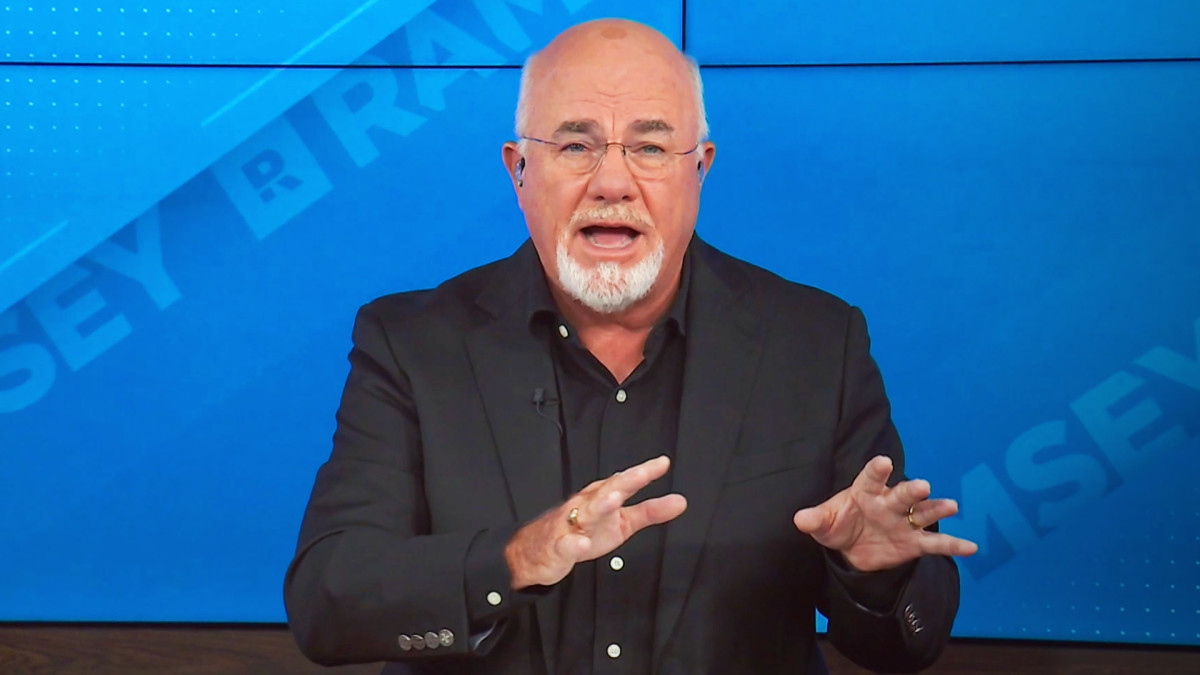
As the retirement landscape continues to shift, millions of Americans are facing a daunting reality: their savings may not be enough to fund a comfortable post-work life, prompting financial experts like Dave Ramsey to sound the alarm on a potential Social Security crisis.
Key Takeaways
- The importance of saving enough for retirement to supplement or replace Social Security income is becoming increasingly critical.
- Understanding inflation and its impact on retirement savings is crucial for maintaining purchasing power in the future.
- A well-planned retirement strategy that considers multiple income sources, including personal savings, investments, and Social Security, is essential for financial security.
Understanding the Alarm: A Deep Dive into the Social Security Crisis
The Social Security crisis, as highlighted by experts like Dave Ramsey, refers to the potential shortfall in the Social Security trust funds, which are expected to be depleted by 2035, according to the latest projections. This depletion could lead to a reduction in Social Security benefits, making it even more challenging for retirees to rely on this income source. Imagine an investor who has been counting on Social Security to cover a significant portion of their retirement expenses; they might need to reassess their financial plans and consider other sources of income to maintain their standard of living.
The Role of Inflation
Inflation, or the general rise in prices of goods and services, erodes the purchasing power of money over time. For retirees, inflation can significantly impact the value of their fixed income, including Social Security benefits. For instance, if a retiree is living on a fixed income of $2,000 per month and inflation rises by 3%, their purchasing power would decrease, as the same $2,000 would buy fewer goods and services than it did before. This underscores the importance of factoring inflation into retirement planning and seeking ways to grow income or assets to keep pace with or exceed inflation rates.
Context: Why This Matters Now
The current economic landscape, marked by rising inflation and interest rates, along with demographic changes such as the aging baby boomer population, exacerbates the Social Security crisis. Similar to the financial challenges faced during the 2008 crash, the situation today requires a proactive approach to retirement planning. The COVID-19 pandemic has also highlighted the importance of having a robust financial safety net. As people live longer and healthcare costs continue to rise, the need for a sustainable and inflation-adjusted income stream in retirement becomes more critical than ever.
Historical Context and Future Projections
Historically, Social Security has been a cornerstone of retirement income for many Americans. However, with the trust funds facing depletion and the challenges posed by an aging population, there is a growing concern about the system’s long-term sustainability. Looking forward, retirees and those nearing retirement age must consider strategies to diversify their income streams, including maximizing Social Security benefits through optimal claiming strategies, investing in retirement accounts, and potentially delaying retirement to accumulate more savings.
Pros and Cons for Your Portfolio
- Risk: The potential reduction in Social Security benefits poses a significant risk to retirement plans, especially for those heavily reliant on this income source. Diversifying investments and creating alternative income streams can mitigate this risk.
- Opportunity: The current situation also presents an opportunity for investors to reassess their portfolios and focus on growth strategies that can help their savings keep pace with or exceed inflation, thereby securing a more stable financial future.
What This Means for Investors
Given the potential Social Security crisis and the impact of inflation on retirement savings, investors should adopt a proactive and diversified approach to retirement planning. This might involve maximizing contributions to 401(k) or IRA accounts, considering alternative investment vehicles such as real estate or dividend-paying stocks, and developing a strategy for claiming Social Security benefits that optimizes lifetime income. Additionally, investors should remain informed about economic trends and legislative changes that could affect Social Security and adjust their plans accordingly. By taking these steps, individuals can better prepare for the financial challenges of retirement and work towards securing a more stable and prosperous post-work life.