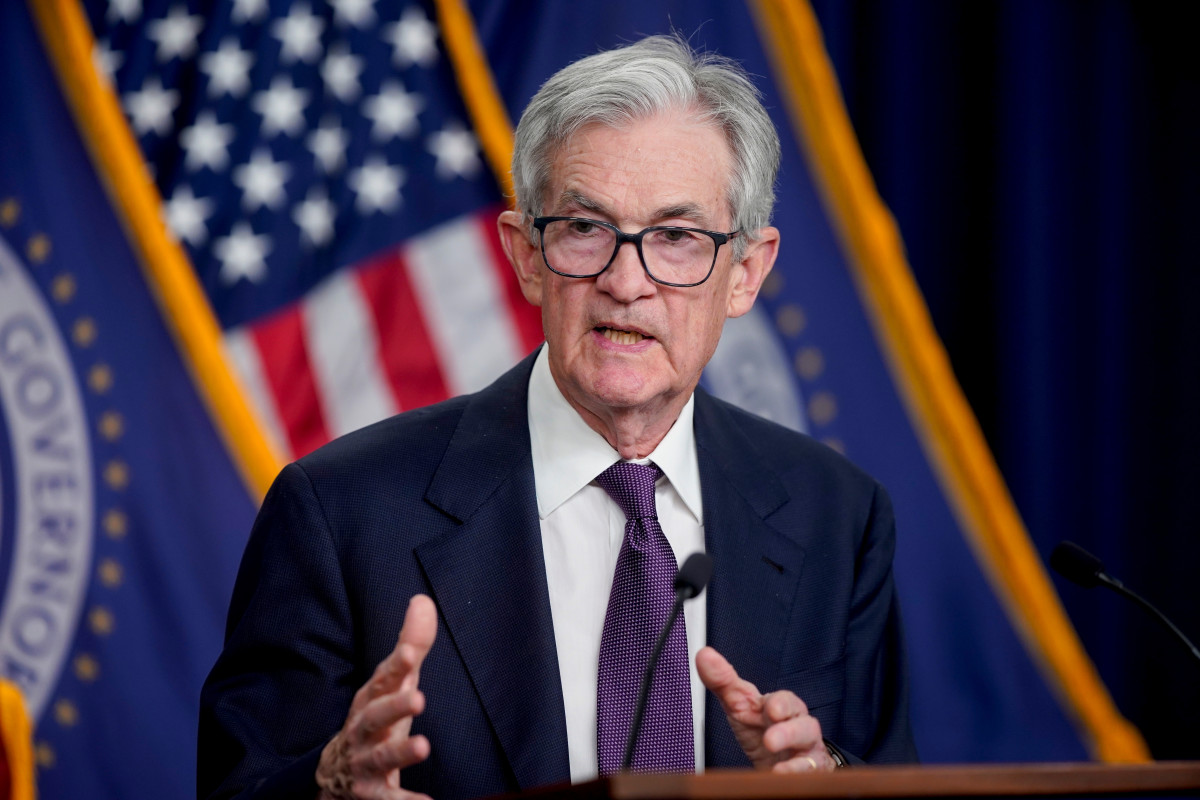
As the Federal Reserve prepares to convene for its highly anticipated Federal Open Market Committee meeting, investors are bracing themselves for a potential quarter-point interest rate cut, a move that could significantly impact the overall trajectory of the US economy and, by extension, the global financial markets.
Key Takeaways
- The Federal Reserve is expected to cut interest rates by a quarter point at its upcoming meeting, aligning with market expectations.
- Investors anticipate a series of rate cuts through next year, reflecting a disconnect with the Fed’s more cautious stance.
- The decision on interest rates will be closely watched for its implications on inflation, economic growth, and the broader financial landscape.
Federal Reserve and Interest Rates: A Deep Dive
The Federal Reserve, the central bank of the United States, plays a pivotal role in shaping the country’s monetary policy. One of its key tools is the setting of interest rates, which can either stimulate or slow down economic activity. By lowering interest rates, the Fed aims to encourage borrowing, spending, and investment, thereby boosting economic growth. Conversely, raising interest rates can help combat inflation by reducing demand and slowing down the economy. In the context of the current economic scenario, the expected rate cut is seen as a preemptive measure to sustain growth and stabilize financial markets.
Understanding Inflation
Inflation, in this context, refers to the rate at which prices for goods and services are rising. It is a natural phenomenon in growing economies but can become problematic if it exceeds certain thresholds, eroding the purchasing power of consumers. The Fed aims to keep inflation within a target range, typically around 2%, to ensure economic stability and growth.
Context: Why This Matters Now
The current economic landscape is characterized by slowing global growth, trade tensions, and geopolitical uncertainties. These factors have contributed to a downturn in business investment and consumer spending, prompting concerns about a potential recession. The Fed’s decision to cut interest rates is seen as a response to these challenges, aiming to provide a stimulus to the economy. Historically, similar rate cuts have been implemented during periods of economic slowdown, such as the 2008 financial crisis, to mitigate the effects of a recession.
Historical Precedents
Similar to the 2008 financial crisis, when the Fed aggressively cut interest rates to near zero and implemented quantitative easing to stabilize the financial system, the current move is part of a broader strategy to ensure economic stability. However, the situation today is different, with the economy not in a recession but rather facing the challenges of a prolonged growth period and the impacts of global trade disputes.
Pros and Cons for Your Portfolio
- Risk: A rate cut could lead to increased inflation if the economy grows too quickly, potentially eroding the value of fixed-income investments and decreasing the purchasing power of consumers.
- Opportunity: Lower interest rates can make borrowing cheaper, potentially boosting sectors like real estate and automotive, and providing a stimulus to the overall economy, which could lead to increased corporate earnings and higher stock prices.
What This Means for Investors
Given the expected rate cut and the potential for further reductions, investors should consider a strategic approach to their portfolio. This could involve diversifying investments to include assets that typically perform well in low-interest-rate environments, such as dividend-paying stocks or real estate investment trusts (REITs). Additionally, investors should keep a close eye on inflation indicators, as a significant uptick could lead to a reversal of the Fed’s accommodative monetary policy. It’s also crucial for investors to maintain a long-term perspective, avoiding knee-jerk reactions to short-term market fluctuations and focusing instead on their overall financial goals and risk tolerance.
A Strategic Perspective
Imagine an investor who has been waiting for the right moment to enter the market. With the expected rate cut, this could be an opportune time to invest in growth-oriented sectors or companies that are poised to benefit from lower borrowing costs. However, it’s equally important to consider the potential downsides, such as increased inflation or a downturn in the economy, and to adjust the portfolio accordingly. A balanced approach, including a mix of low-risk bonds, dividend stocks, and growth investments, can help navigate the uncertainties of the current market environment.