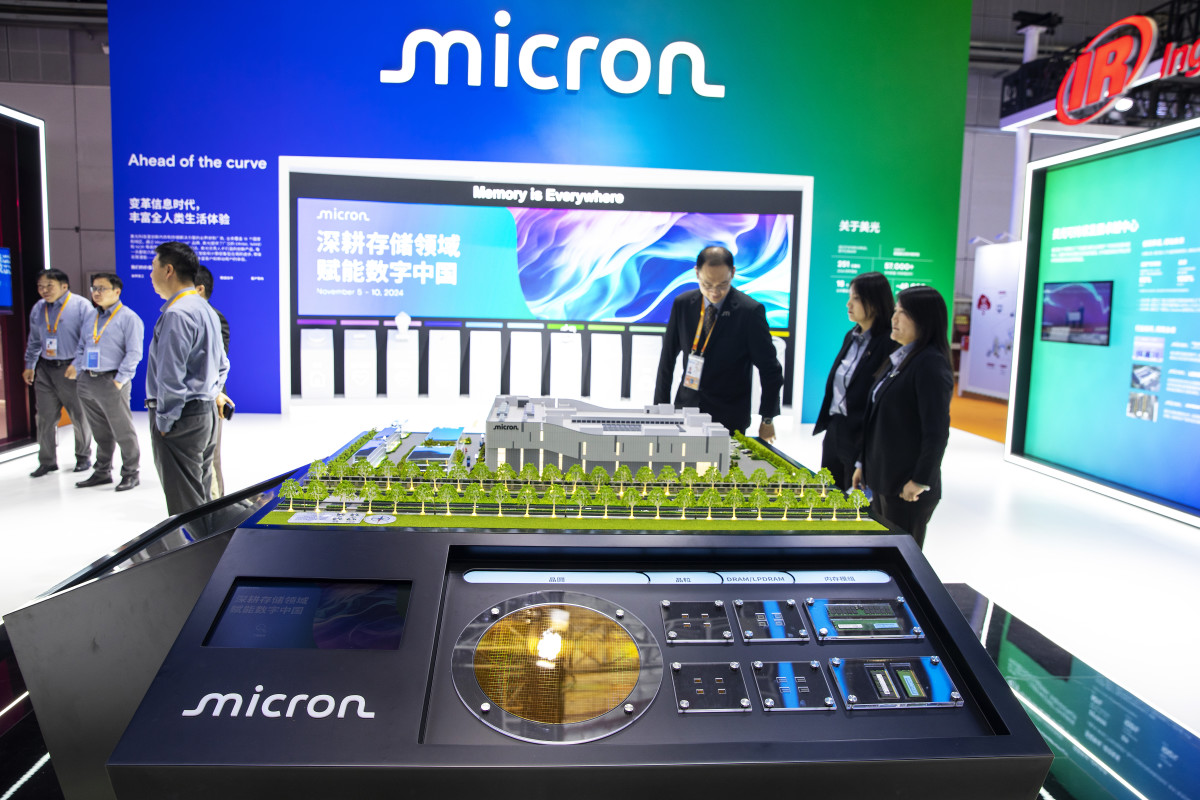
Micron’s strategic shift from consumer memory to AI-driven enterprise demand signals a significant pivot in the tech industry, one that could redefine the landscape for investors and corporations alike.
Key Takeaways
- Micron is transitioning its focus towards meeting the growing demand for AI-driven technologies in the enterprise sector.
- This move is expected to impact the company’s product lineup, with an increased emphasis on high-capacity memory solutions tailored for AI applications.
- The shift reflects broader industry trends, where companies are adapting to the burgeoning need for AI-driven solutions across various sectors.
Micron’s AI Move: A Deep Dive
Micron Technology, Inc., a leading producer of computer memory and semiconductor products, is making a strategic shift in its business focus. Historically, the company has been known for its consumer-oriented memory products. However, with the increasing demand for artificial intelligence (AI) and machine learning (ML) technologies in the enterprise sector, Micron is now directing its efforts towards catering to these emerging markets. This involves developing and enhancing its product portfolio to meet the specific needs of AI-driven applications, which often require high-capacity, low-latency memory solutions.
The decision to pivot towards AI-driven enterprise demand is not without its rationale. The AI and ML market is experiencing rapid growth, driven by the adoption of these technologies across industries. Businesses are leveraging AI for a wide range of applications, from predictive analytics and automation to enhancing customer experience and improving operational efficiencies. This trend is expected to continue, with forecasts indicating significant investment in AI technologies over the coming years.
Context: Why This Matters Now
The current economic and technological environment is ripe for such a shift. The ongoing digital transformation, coupled with the advancements in AI and ML, has created a fertile ground for companies like Micron to capitalize on the growing demand for specialized semiconductor products. Furthermore, the global push towards adopting more efficient and intelligent systems across industries has accelerated the need for high-performance computing solutions, which Micron aims to address with its new strategic focus.
Historically, similar shifts in industry focus have led to significant opportunities for growth and innovation. For instance, the transition from traditional hard disk drives to solid-state drives (SSDs) marked a pivotal moment for companies in the storage industry, allowing them to adapt to changing consumer and enterprise needs. Similarly, Micron’s move towards AI-driven enterprise demand could position the company at the forefront of a new wave of technological innovation.
Pros and Cons for Your Portfolio
- Risk: The shift towards a new market segment comes with inherent risks, including the potential for increased competition and the challenge of developing products that meet the evolving needs of AI applications. Investors should consider these factors when evaluating Micron’s stock.
- Opportunity: On the other hand, successfully capturing a significant share of the growing AI-driven enterprise market could lead to substantial revenue growth for Micron. This presents an opportunity for investors looking to capitalize on the burgeoning demand for AI technologies.
What This Means for Investors
For investors, Micron’s strategic shift towards AI-driven enterprise demand presents a complex scenario. On one hand, the potential for growth in a rapidly expanding market is enticing. On the other, there are risks associated with entering a new segment, especially one as competitive and dynamic as the AI technology space. A prudent approach would involve closely monitoring Micron’s progress in developing and marketing its AI-oriented products, as well as keeping an eye on the broader industry trends and competitor activity.
Imagine an investor who has been following Micron’s journey and decides to buy into the company’s vision for the future. This investor would be betting on Micron’s ability to successfully transition and capitalize on the AI-driven demand. In contrast, another investor might decide to adopt a wait-and-see approach, preferring to assess the company’s performance in the new market before making a decision. Both strategies have their merits, depending on the investor’s risk tolerance and investment horizon.
Similar to the 2021 tech boom, where companies that adapted quickly to the changing digital landscape saw significant gains, Micron’s move could be a harbinger of a new era of growth for the company and its investors. However, it’s essential for investors to approach this opportunity with a clear understanding of the potential risks and rewards, ensuring that their investment decisions are informed and strategic.