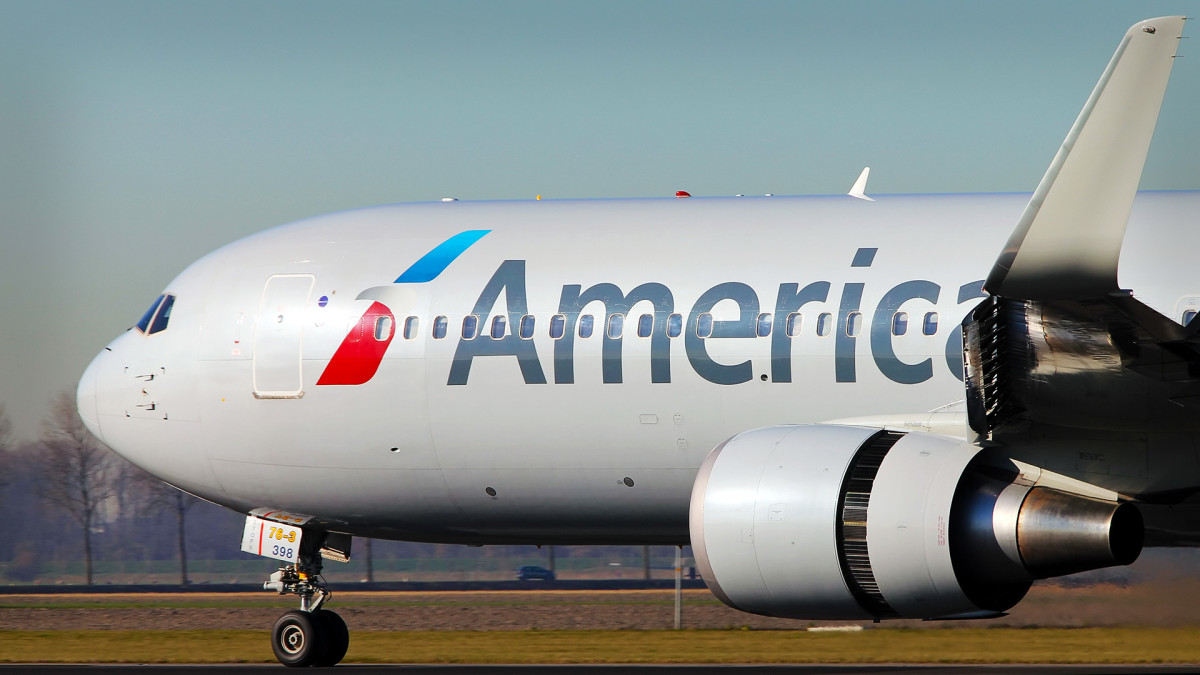
American Airlines’ recent unveiling of a major loyalty program update has sparked significant interest among frequent flyers and investors, as it signals a potential shift in how airlines approach customer retention and rewards in a competitive market.
Key Takeaways
- American Airlines is updating its loyalty program, which may impact how members earn and redeem rewards.
- The update could influence customer loyalty and retention strategies across the airline industry.
- Investors should consider how such changes might affect airline stocks and the broader travel industry.
American Airlines Loyalty Program Update: Deep Dive
American Airlines’ decision to update its loyalty program is a significant move, especially considering the efforts members often undertake to maintain their status, such as booking flights solely to meet the required number of trips per year. For instance, the mention of needing 25 one-way flights to maintain Rapid Rewards A-List status on Southwest Airlines highlights the commitment required to reap the benefits of loyalty programs.
This update could redefine how airlines approach loyalty, potentially moving away from the traditional model that requires a high volume of flights to achieve and maintain elite status. By doing so, American Airlines may be aiming to enhance customer satisfaction and loyalty, making its program more appealing and accessible to a wider range of travelers.
Context: Why This Matters Now
The timing of this update is crucial, as the airline industry continues to recover from the impacts of the pandemic. Inflation has also been a factor, affecting travel costs and consumer spending habits. In this context, airlines are looking for innovative ways to attract and retain customers, making loyalty programs a key area of focus. Historically, similar updates have led to significant shifts in consumer behavior and market dynamics, such as the changes in loyalty programs following the 2008 financial crisis, which saw airlines adjusting their strategies to maintain customer loyalty during economic uncertainty.
Imagine an investor who has been following the airline industry closely, noticing the trend of airlines investing heavily in enhancing their loyalty programs. This investor might see American Airlines’ move as a strategic play to gain a competitive edge, potentially influencing their investment decisions in the sector.
Historical Precedents and Industry Trends
Similar loyalty program updates have occurred in the past, such as when airlines shifted their focus from distance-based to revenue-based models. These changes often reflect broader industry trends and consumer behavior shifts. For example, the rise of budget airlines and the increasing use of travel rewards credit cards have altered how consumers engage with loyalty programs, prompting airlines to adapt their strategies to remain competitive.
Pros and Cons for Your Portfolio
- Risk: The update could lead to increased costs for American Airlines if it results in more customers achieving elite status or redeeming rewards, potentially affecting the airline’s bottom line and, by extension, its stock performance.
- Opportunity: On the other hand, a well-received loyalty program update could boost customer loyalty and retention, leading to increased revenue and competitiveness for American Airlines, which could positively impact investor returns.
What This Means for Investors
Investors should closely monitor how American Airlines’ loyalty program update unfolds and its impact on customer engagement and the airline’s financials. Considering the competitive nature of the airline industry, this move could prompt other airlines to reassess their loyalty programs, leading to a broader industry shift. Investors might want to hold their positions in airline stocks for now, awaiting clearer signs of how these changes will affect the market and consumer behavior.
Moreover, investors should consider the potential long-term benefits of enhanced loyalty programs, including increased customer retention and the potential for higher revenue per user. By analyzing the strategic implications of American Airlines’ update and its reception by consumers, investors can make more informed decisions about their investments in the airline sector.