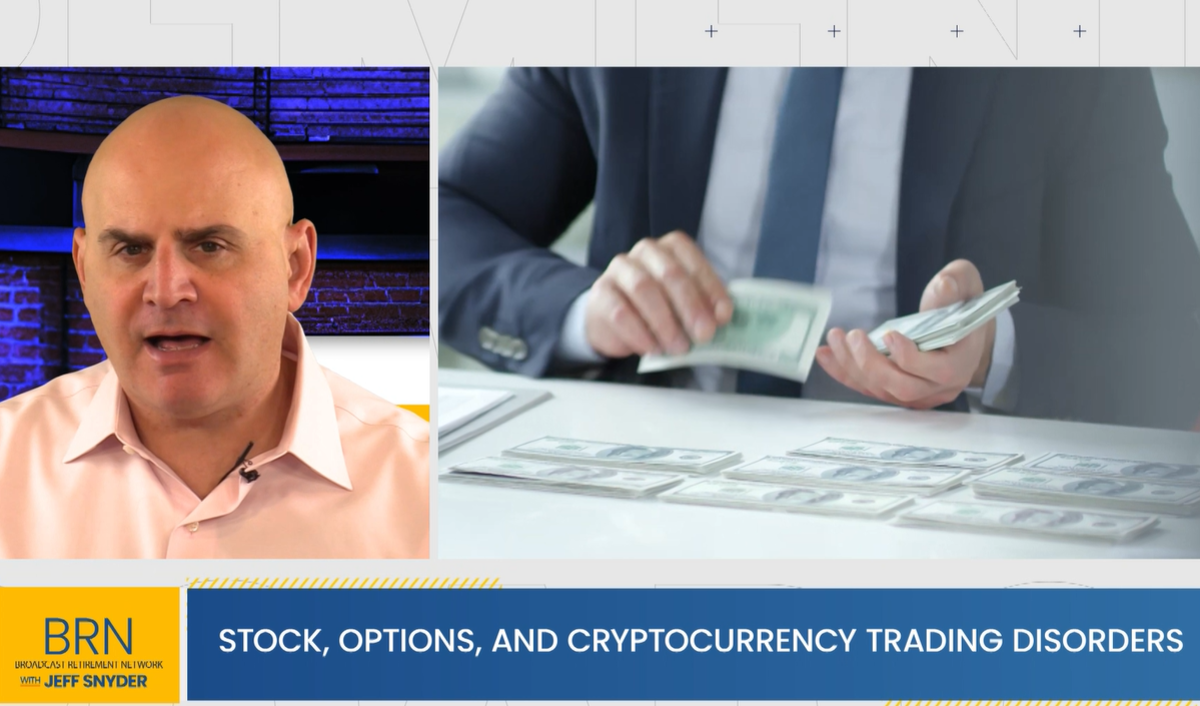
As the lines between investing and gambling continue to blur, a growing concern among financial experts is the rise of trading disorders, particularly in the realms of stocks, options, and cryptocurrency, where the potential for significant gains can often overshadow the risks of substantial losses.
Key Takeaways
- The similarities between day trading and gambling are becoming increasingly evident, with both activities triggering the brain’s reward system in similar ways.
- Experts like Mark S. Gold, MD, from Washington University in St. Louis, are sounding the alarm on the potential for trading disorders, emphasizing the need for awareness and responsible investing practices.
- The discussion on trading disorders highlights the importance of understanding the psychological and financial risks associated with high-stakes, high-reward investment opportunities.
Understanding Trading Disorders: A Deep Dive
Trading disorders, akin to other behavioral addictions, involve compulsive engagement in trading activities despite negative consequences. This can include excessive time spent monitoring markets, a constant need to be connected to market news, and an inability to stop or reduce trading activities even when they no longer yield positive returns or when they start to negatively impact other areas of life.
Imagine an investor who starts with a solid strategy but gradually becomes more aggressive, chasing higher returns without adequately considering the risks. This behavior can lead to a vicious cycle of chasing losses, known as the “gambler’s fallacy,” where the investor believes that a losing streak must be followed by a winning streak, despite the fact that each trade is an independent event.
The Psychological Aspect
The psychological aspect of trading disorders is complex, involving factors such as dopamine release associated with the anticipation of rewards, the fear of missing out (FOMO), and the euphoria of making successful trades. These feelings can create a powerful psychological feedback loop that encourages risky behavior and can lead to addiction.
Context: Why This Matters Now
The current financial landscape, with its low interest rates and the rise of online trading platforms, has made it easier than ever for individuals to engage in high-risk trading activities. The accessibility of stocks, options, and especially cryptocurrency markets has lowered the barrier to entry, allowing more people to participate but also increasing the risk of trading disorders.
Similar to the 2008 crash, where speculative bubbles led to significant financial losses, today’s market conditions are ripe for similar scenarios, especially in the highly volatile cryptocurrency market. The lack of regulation and transparency in some of these markets can further exacerbate the risks, making it even more challenging for investors to make informed decisions.
Pros and Cons for Your Portfolio
- Risk: The primary risk associated with trading disorders is the potential for significant financial loss. Investors who become addicted to the thrill of trading may take on more risk than they can afford, leading to substantial losses that can devastate their financial stability.
- Opportunity: On the other hand, understanding and managing trading disorders can present an opportunity for investors to reassess their investment strategies, focusing on long-term, sustainable growth rather than short-term gains. This approach can lead to more stable and predictable returns, aligning with the investor’s overall financial goals.
What This Means for Investors
For investors, the key takeaway is the importance of maintaining a disciplined approach to trading and investing. This involves setting clear financial goals, understanding personal risk tolerance, and avoiding the pitfalls of emotional decision-making. It’s also crucial to recognize the signs of trading disorders, such as an inability to stop trading or a constant preoccupation with market activities, and to seek help if these behaviors are observed.
In conclusion, while the potential for high returns in stocks, options, and cryptocurrency markets is undeniable, it’s essential for investors to approach these markets with caution and a clear understanding of the risks involved. By doing so, they can protect their financial well-being and make more informed investment decisions that align with their long-term financial objectives.