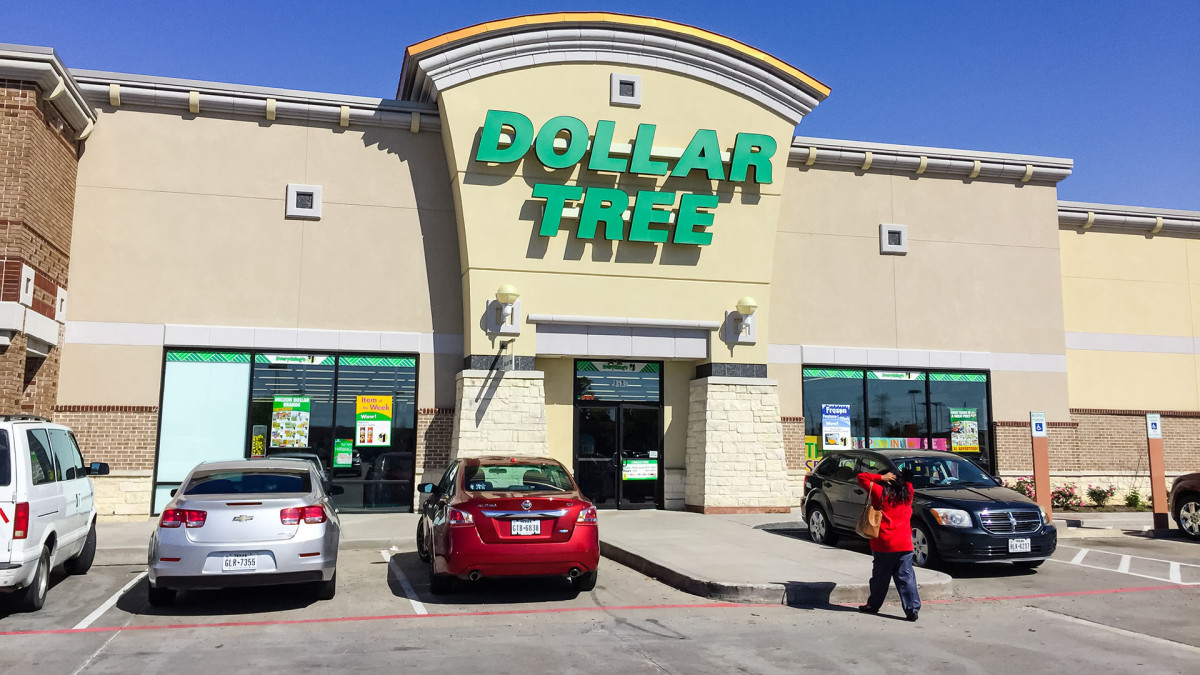
As consumers face the reality of Dollar Tree price hikes, the question on everyone’s mind is what this means for their shopping habits and the broader retail landscape, especially in an era marked by inflation concerns.
Key Takeaways
- Dollar Tree, known for its fixed-price model, is adjusting its pricing strategy in response to market pressures.
- This change reflects broader economic trends, including supply chain disruptions and labor costs, which are impacting retailers across the board.
- The decision to raise prices will have implications for consumer behavior, potentially leading to a shift in where and how people shop for everyday items.
Dollar Tree’s Pricing Strategy: A Deep Dive
Dollar Tree’s appeal has long been its simplicity: a single price point for all items, making it a go-to destination for budget-conscious consumers. However, the retailer’s recent decision to introduce price points above $1 signals a significant shift in its business model. This move is a response to the challenging economic environment, characterized by rising costs of goods, transportation, and labor. For instance, inflation, which refers to the rate at which prices for goods and services are rising, has been a key factor in this decision, as it directly affects the company’s ability to maintain its traditional pricing strategy.
Context: Why This Matters Now
The current economic landscape, marked by inflationary pressures and global supply chain issues, makes it difficult for retailers like Dollar Tree to maintain low prices without sacrificing profitability. Imagine an investor who bought into Dollar Tree’s model expecting consistent low prices; they now face a scenario where the very foundation of the company’s appeal is evolving. Historically, similar shifts in pricing strategies have occurred in response to economic downturns or periods of high inflation, such as the early 2000s when many retailers had to adjust their pricing models due to increased costs.
Historical Precedents
Similar to the 2008 financial crisis, when retailers had to adapt to changing consumer behavior and economic conditions, Dollar Tree’s price hike reflects the necessity of businesses to evolve in response to external pressures. The difference this time around is the pervasive nature of inflation and its impact on all aspects of retail, from production costs to consumer demand.
Pros and Cons for Your Portfolio
- Risk: The potential downside for investors is that Dollar Tree’s price increase could lead to a decrease in customer loyalty and sales, as budget-conscious consumers might seek alternatives that still offer the low prices they are looking for.
- Opportunity: On the other hand, this strategic move could allow Dollar Tree to expand its product offerings, improve profitability, and attract a broader customer base, potentially leading to long-term growth and increased value for investors.
What This Means for Investors
For investors, the key takeaway is the importance of monitoring how Dollar Tree’s new pricing strategy affects its financials and customer base. It’s crucial to weigh the potential benefits of increased profitability against the risks of alienating price-sensitive customers. A strategic perspective would involve considering how this change fits into the broader retail landscape and assessing whether similar adjustments might be necessary or beneficial for other companies in the sector. Ultimately, investors should consider diversifying their portfolios to mitigate risks associated with any single stock or sector, especially in times of economic uncertainty.