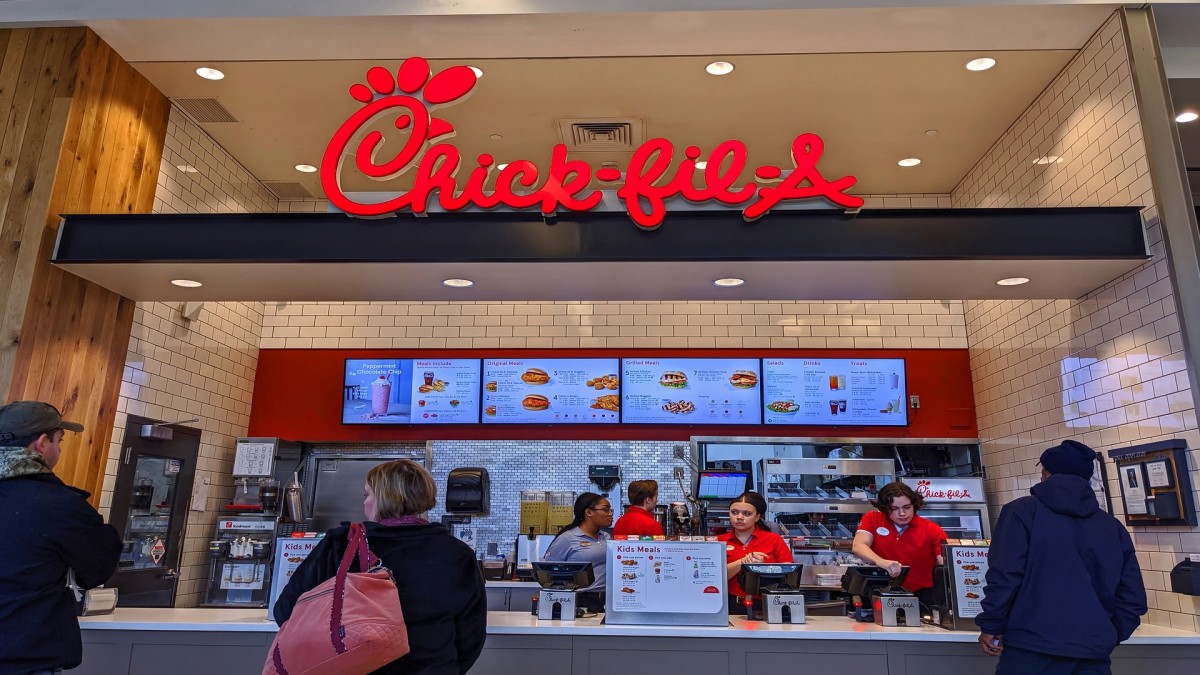
As the fast-food industry continues to evolve, chains like Chick-fil-A are finding success with a combination of rising prices and customer loyalty, leaving many to wonder if this strategy is sustainable in the long term.
Key Takeaways
- The fast-food industry has seen a significant increase in prices over the years, with $1 burgers and 50-cent drinks becoming a rarity.
- Chick-fil-A’s success can be attributed to its ability to balance price increases with customer loyalty, creating a loyal customer base that is willing to pay a premium for their products.
- This strategy has significant implications for investors, who must consider the potential risks and opportunities associated with the fast-food industry’s shifting landscape.
Understanding the Fast-Food Industry’s Shift
The fast-food industry has undergone significant changes over the years, with one of the most notable being the increase in prices. Gone are the days of $1 burgers and 50-cent drinks, as many chains have been forced to raise their prices to keep up with rising costs and changing consumer preferences. This shift has been driven in part by
Imagine an investor who bought into the fast-food industry 10 years ago, expecting to see consistent growth and low prices. Today, that investor would be facing a much different landscape, with prices rising and consumer preferences shifting towards healthier, more sustainable options. This hypothetical scenario highlights the importance of understanding the underlying factors driving the industry’s shift, including inflation and changing consumer preferences.
Context: Why This Matters Now
The current state of the fast-food industry is not without historical precedent. Similar to the 2008 crash, which saw a significant shift in consumer spending habits, the industry is once again facing a period of change. The rise of fast-casual chains and increasing demand for healthier, more sustainable options has forced traditional fast-food chains to adapt and evolve. This has led to a period of consolidation, with some chains struggling to compete and others, like Chick-fil-A, finding success with innovative strategies.
The economic factors at play are complex, with inflation playing a significant role in the industry’s shift. As the cost of ingredients, labor, and other expenses continues to rise, chains are being forced to raise their prices to maintain profitability. This has created a challenging environment for investors, who must navigate the risks and opportunities associated with the industry’s evolution.
Pros and Cons for Your Portfolio
- Risk: One potential downside of investing in the fast-food industry is the risk of declining sales and profitability, as consumers become increasingly price-sensitive and demand healthier, more sustainable options. This could lead to a decline in stock prices and a negative impact on investment returns.
- Opportunity: On the other hand, chains like Chick-fil-A that are able to balance price increases with customer loyalty may present a significant opportunity for investors. By creating a loyal customer base and maintaining a strong brand reputation, these chains may be able to drive growth and profitability, even in a challenging environment.
What This Means for Investors
So, what does this mean for investors? In terms of actionable advice, it’s essential to take a strategic perspective and consider the potential risks and opportunities associated with the fast-food industry’s shift. Investors may want to consider diversifying their portfolios to include a mix of established chains and innovative newcomers, as well as companies that are well-positioned to capitalize on changing consumer preferences. By doing so, investors can mitigate the risks associated with the industry’s evolution and position themselves for potential long-term growth and profitability.
Ultimately, the key to success in the fast-food industry will be finding a balance between price increases and customer loyalty. Chains that are able to create a loyal customer base and maintain a strong brand reputation will be well-positioned to drive growth and profitability, even in a challenging environment. As an investor, it’s essential to stay informed and adapt to the industry’s shifting landscape, recognizing both the potential risks and opportunities that this shift presents.