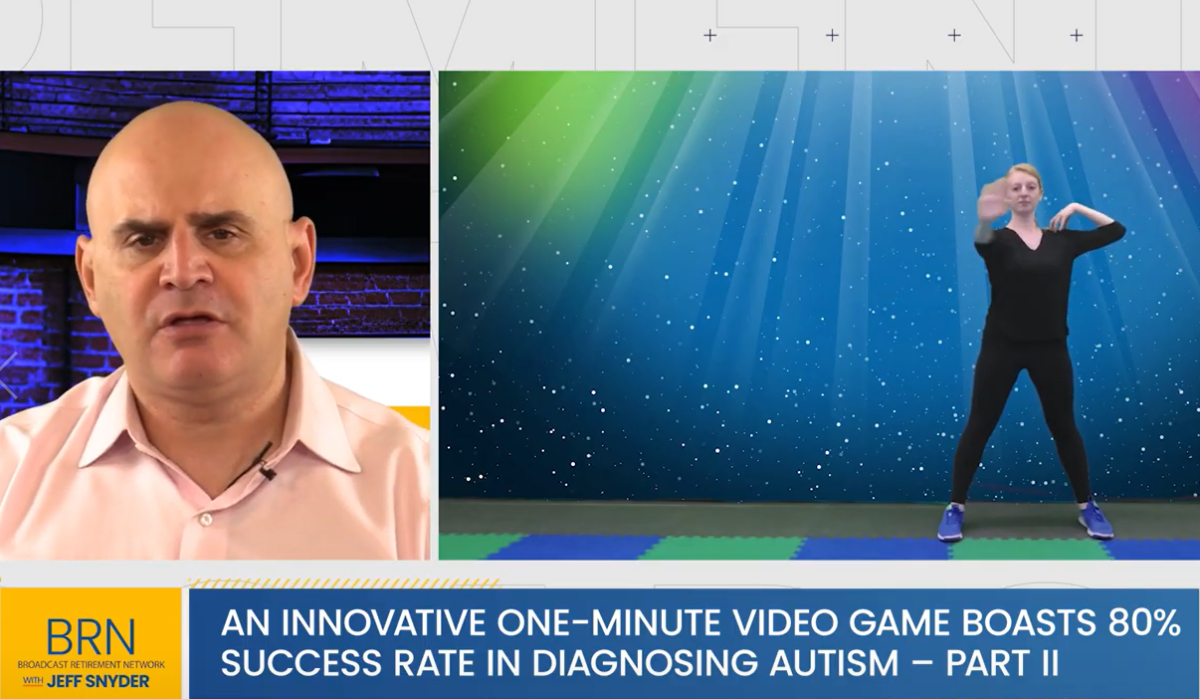
A revolutionary new video game has been shown to accurately diagnose autism with an impressive 80% success rate, sending shockwaves through the medical and investment communities as they consider the potential impact on the $1.5 billion autism treatment market and the broader healthcare sector.
Key Takeaways
- The new video game, developed by researchers at Nottingham Trent University and the Kennedy Krieger Institute, uses advanced algorithms and machine learning to identify autism in patients.
- Dr. Bahar Tungenc of Nottingham Trent University and Dr. Stewart Mostovsky of the Kennedy Krieger Institute are leading the research efforts, bringing together expertise in autism diagnosis and video game development.
- The 80% success rate of the video game diagnosis is significantly higher than traditional methods, which can be time-consuming, costly, and often inaccurate, highlighting the potential for this technology to disrupt the autism diagnosis market.
A Deep Dive into the Revolutionary Autism Diagnosis
The new video game diagnosis is a significant breakthrough in the field of autism research, offering a potential solution to the long-standing challenges of accurately diagnosing autism. By leveraging advanced technologies such as machine learning and artificial intelligence, the game is able to identify patterns and behaviors that are indicative of autism, providing a more accurate and efficient diagnosis. The game’s high success rate is a testament to the power of innovative thinking and collaborative research, and it has the potential to make a significant impact on the lives of individuals with autism and their families.
Context: Why This Matters Now
The development of the video game diagnosis comes at a time when there is a growing need for more accurate and efficient methods of diagnosing autism. The traditional methods of diagnosis, which often rely on clinical observations and behavioral assessments, can be time-consuming and costly, and they may not always provide an accurate diagnosis. The use of advanced technologies such as machine learning and artificial intelligence has the potential to revolutionize the field of autism diagnosis, making it possible to identify autism earlier and more accurately, and to provide more effective treatments. The economic implications of this breakthrough are significant, as it could lead to cost savings and improved outcomes for individuals with autism, as well as opportunities for investment in the development of new diagnostic tools and treatments.
Historical Context and Precedents
The use of video games and other digital technologies to diagnose and treat medical conditions is not new, but it is a rapidly evolving field. In recent years, there have been significant advances in the use of digital technologies to diagnose and treat a range of conditions, from mental health disorders to chronic diseases. The development of the video game diagnosis for autism is part of this broader trend, and it highlights the potential for digital technologies to transform the field of medicine. Similar to the telemedicine boom of the past decade, which has expanded access to healthcare services, the use of video games and other digital technologies has the potential to increase access to diagnostic tools and treatments, improving health outcomes and reducing costs.
Pros and Cons for Your Portfolio
- Risk: The development of the video game diagnosis may disrupt the existing market for autism diagnosis and treatment, potentially impacting the stock prices of companies that specialize in these areas. Investors should be cautious and carefully consider the potential risks and benefits of investing in this sector.
- Opportunity: The video game diagnosis has the potential to create new opportunities for investment in the development of innovative diagnostic tools and treatments for autism. Investors who are looking for opportunities to make a positive impact while also generating returns may find this sector attractive, as it aligns with the growing trend of impact investing and socially responsible investing.
What This Means for Investors
For investors, the development of the video game diagnosis for autism presents a complex and multifaceted opportunity. On the one hand, the potential for this technology to disrupt the existing market for autism diagnosis and treatment may create risks for investors who are already invested in this sector. On the other hand, the potential for this technology to create new opportunities for investment and to make a positive impact on the lives of individuals with autism may make it an attractive option for investors who are looking for innovative and socially responsible investment opportunities. As with any investment, it is essential to carefully consider the potential risks and benefits and to develop a diversified investment strategy that aligns with your overall investment goals and values.
Investment Strategies and Considerations
Investors who are considering investing in the development of innovative diagnostic tools and treatments for autism should carefully evaluate the potential risks and benefits of this investment. They should consider the potential for this technology to disrupt the existing market, as well as the potential for it to create new opportunities for growth and returns. They should also consider the regulatory environment and the potential for changes in government policies and regulations to impact the development and implementation of this technology. By taking a thoughtful and informed approach to investment, investors can help to drive innovation and progress in the field of autism diagnosis and treatment, while also generating returns and achieving their investment goals.
Conclusion and Future Outlook
In conclusion, the development of the video game diagnosis for autism is a significant breakthrough that has the potential to revolutionize the field of autism diagnosis and treatment. The potential for this technology to create new opportunities for investment and to make a positive impact on the lives of individuals with autism is substantial, and investors should carefully consider the potential risks and benefits of investing in this sector. As the field of autism diagnosis and treatment continues to evolve, it is likely that we will see further innovations and advancements, and investors who are able to navigate this complex and rapidly changing landscape will be well-positioned to generate returns and achieve their investment goals. By staying informed, being strategic, and taking a long-term perspective, investors can help to drive progress and innovation in the field of autism diagnosis and treatment, while also achieving their investment objectives.