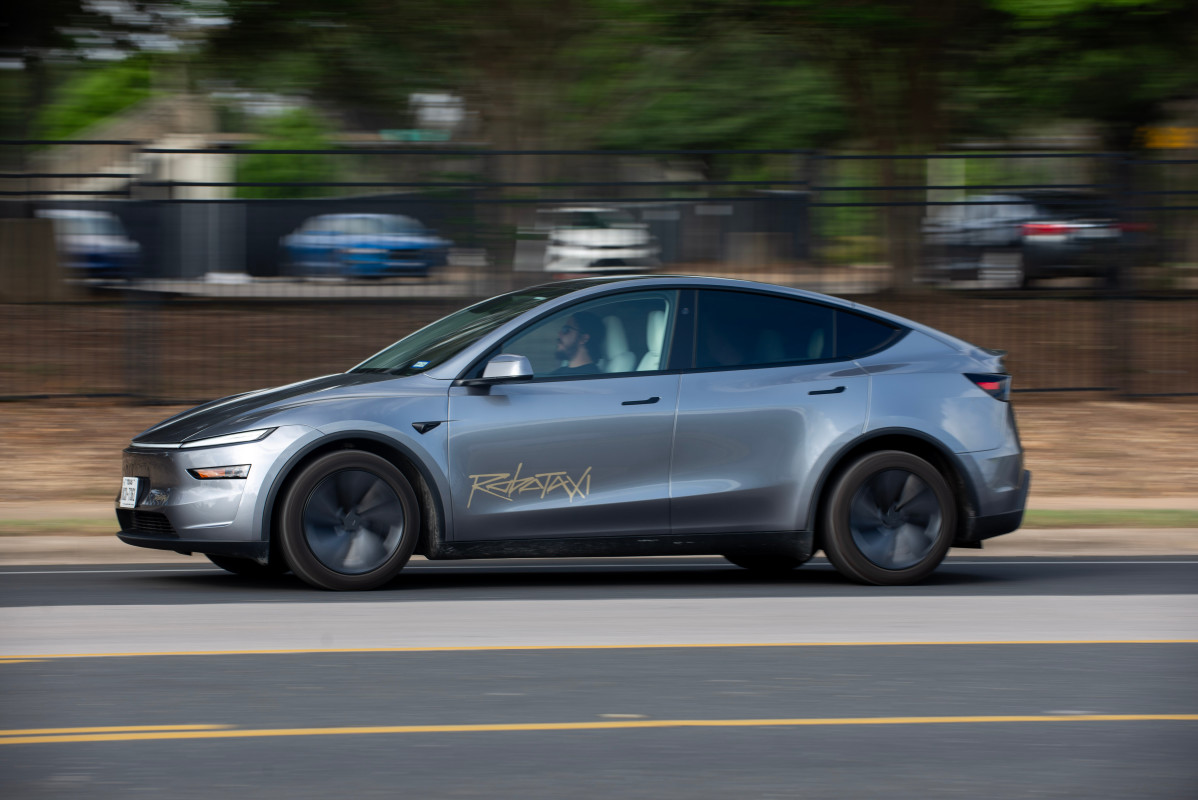
As Tesla’s Robotaxi program breaks key milestones, investors are left to ponder the potential implications of this technology on the future of transportation and their investment portfolios, amidst concerns over the company’s ability to deliver on its promises.
Key Takeaways
- Tesla’s Robotaxi program has achieved a significant milestone, further solidifying the company’s position in the autonomous vehicle market.
- CEO Elon Musk’s tendency to overpromise and underdeliver has raised concerns among investors and industry analysts.
- The success of Tesla’s Robotaxi program could have far-reaching implications for the transportation industry, potentially disrupting traditional taxi and ride-sharing services.
Tesla Robotaxi: A Deep Dive
Tesla’s Robotaxi program is an ambitious initiative aimed at developing a fleet of autonomous taxis that can transport passengers safely and efficiently. The program has been in development for several years, with Musk touting its potential to revolutionize the transportation industry. With the recent milestone, Tesla has demonstrated its commitment to bringing this technology to market, despite the numerous challenges and regulatory hurdles that lie ahead.
Imagine an investor who bought into Tesla’s vision for autonomous transportation several years ago. As the company continues to make progress on its Robotaxi program, this investor may be poised to reap significant rewards, should the technology gain widespread adoption. However, this investor must also consider the potential risks associated with investing in a company that has a history of overpromising and underdelivering.
Historically, the development of autonomous vehicle technology has been marked by significant challenges, including regulatory hurdles, technical difficulties, and public perception issues. Similar to the early days of the electric vehicle market, the autonomous vehicle industry is still in its infancy, with many companies vying for position. Tesla’s Robotaxi program is just one example of the innovative solutions being developed to address the complex issues surrounding autonomous transportation.
Context: Why This Matters Now
The current economic landscape is characterized by a significant shift towards sustainable and technologically advanced solutions. As governments and consumers increasingly focus on reducing their environmental footprint, companies like Tesla are well-positioned to capitalize on this trend. The development of autonomous vehicle technology is a key component of this shift, with the potential to reduce emissions, improve safety, and increase efficiency.
The autonomous vehicle market is expected to experience significant growth in the coming years, driven by advances in technology and increasing demand for sustainable transportation solutions. As a result, investors are taking notice, with many seeking to capitalize on the potential upside of this emerging market. However, it is essential to approach this market with caution, considering the potential risks and challenges that lie ahead.
Pros and Cons for Your Portfolio
- Risk: Investing in Tesla’s Robotaxi program carries significant risks, including the potential for regulatory hurdles, technical difficulties, and public perception issues. Should the company fail to deliver on its promises, investors may be left with significant losses.
- Opportunity: On the other hand, the potential upside of investing in Tesla’s Robotaxi program is substantial. Should the company succeed in bringing this technology to market, investors may reap significant rewards, driven by the potential for widespread adoption and the company’s position as a leader in the autonomous vehicle market.
What This Means for Investors
For investors considering investing in Tesla’s Robotaxi program, it is essential to approach this opportunity with a strategic perspective. This may involve diversifying your portfolio to minimize risk, while also positioning yourself to capitalize on the potential upside of this emerging market. It is also crucial to stay informed about the latest developments in the autonomous vehicle industry, considering the potential implications of regulatory changes, technological advancements, and shifting consumer demand.
As with any investment, it is essential to weigh the potential risks and rewards carefully. Investors should consider their overall investment goals, risk tolerance, and time horizon before making a decision. By taking a thoughtful and informed approach, investors can navigate the complexities of the autonomous vehicle market and make informed decisions about their investment portfolio.
In conclusion, Tesla’s Robotaxi program represents a significant opportunity for investors, with the potential to revolutionize the transportation industry and drive substantial returns. However, it is crucial to approach this investment with caution, considering the potential risks and challenges that lie ahead. By staying informed, diversifying your portfolio, and taking a strategic perspective, investors can position themselves for success in this emerging market.