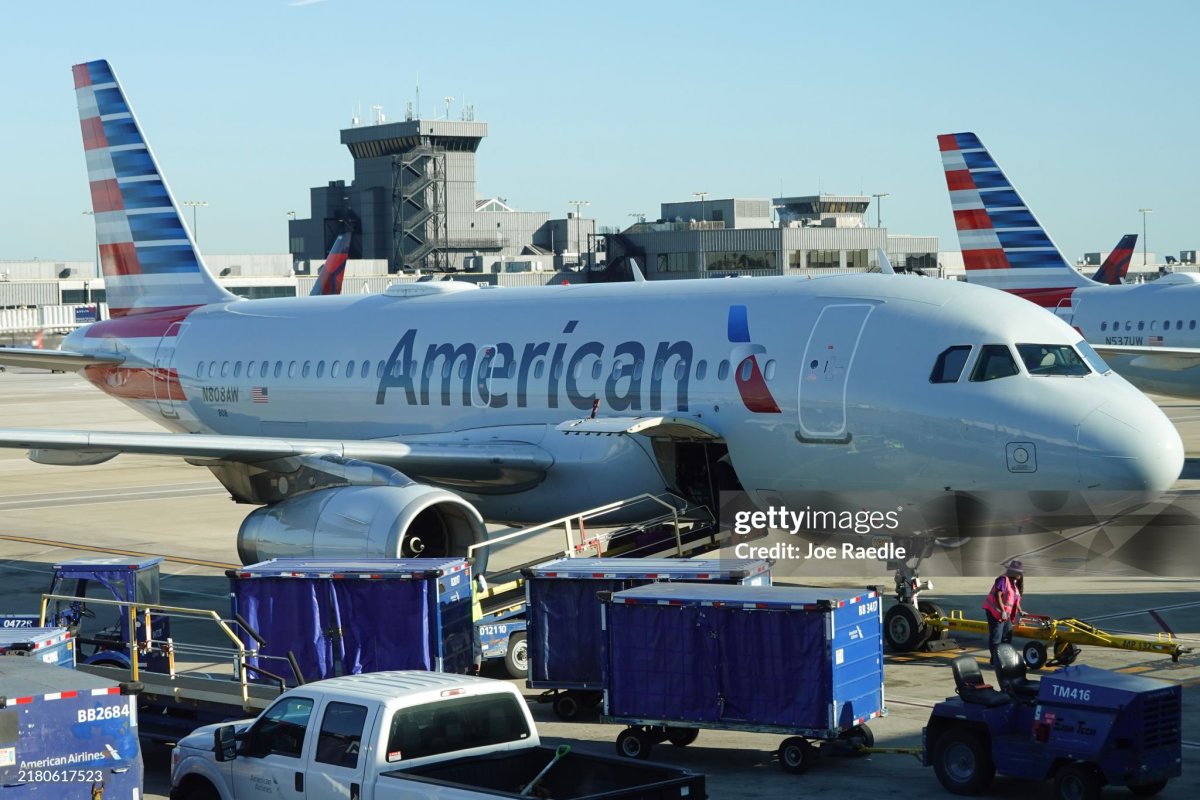
American Airlines is stepping up its luxury game with the introduction of high-end seats and perks, targeting business travelers who are willing to pay a premium for comfort and exclusivity, a move that could have significant implications for the airline industry and investors alike.
Key Takeaways
- American Airlines is introducing new luxury cabins aimed at business travelers, not basic-economy hunters.
- The move is likely a response to increasing competition in the airline industry and a growing demand for premium travel experiences.
- The introduction of high-end seats and perks could lead to increased revenue for American Airlines, but also poses potential risks, such as increased costs and decreased demand for lower-tier seats.
American Airlines’ Luxury Upgrade: A Deep Dive
American Airlines’ decision to introduce high-end seats and perks is a strategic move to attract business travelers who are willing to pay a premium for comfort and exclusivity. The new cabins will likely feature upgraded amenities, such as lie-flat seats, gourmet meals, and personalized service, all designed to provide a luxurious travel experience. This move is not unique to American Airlines, as other airlines, such as Delta and United, have also introduced premium cabins in recent years.
The introduction of luxury cabins is a response to the changing landscape of the airline industry, where business travelers are increasingly seeking premium experiences. With the rise of inflation, which refers to the rate at which prices for goods and services are increasing, airlines are looking for ways to increase revenue and stay competitive. By targeting business travelers, American Airlines is attempting to capture a larger share of the premium travel market, which is less price-sensitive than the economy market.
Context: Why This Matters Now
The introduction of luxury cabins by American Airlines is happening at a time when the airline industry is experiencing significant changes. The COVID-19 pandemic has led to a decline in air travel, and airlines are looking for ways to stimulate demand and increase revenue. The rise of premium economy has also created new opportunities for airlines to offer upgraded experiences to passengers who are willing to pay a premium. Historically, similar moves have been made by airlines during times of economic uncertainty, such as during the 2008 financial crisis, when airlines introduced premium cabins to attract high-paying passengers.
Imagine an investor who bought American Airlines stock in 2020, when the airline industry was experiencing significant declines in demand due to the pandemic. As the industry recovers, and airlines introduce new premium cabins, this investor may see an increase in the value of their stock, as the airline’s revenue and profitability increase. However, this investor should also be aware of the potential risks, such as increased costs and decreased demand for lower-tier seats, which could negatively impact the airline’s financial performance.
Pros and Cons for Your Portfolio
- Risk: The introduction of luxury cabins by American Airlines poses a risk to investors, as the airline may struggle to fill these premium seats, leading to decreased revenue and profitability.
- Opportunity: On the other hand, the introduction of luxury cabins could lead to increased revenue and profitability for American Airlines, as business travelers are willing to pay a premium for comfort and exclusivity, providing a potential upside for investors.
What This Means for Investors
For investors, the introduction of luxury cabins by American Airlines is a strategic move that could have significant implications for the airline’s financial performance. Investors should consider the potential risks and opportunities associated with this move, and adjust their portfolios accordingly. A potential strategy for investors is to diversify their portfolios, by investing in a range of airlines and industries, to minimize risk and maximize returns. Additionally, investors should keep a close eye on the airline industry, as changes in demand and competition could impact the financial performance of American Airlines and other airlines.
In conclusion, American Airlines’ introduction of luxury cabins is a strategic move to attract business travelers and increase revenue. While this move poses potential risks, it also provides opportunities for investors. By understanding the context and implications of this move, investors can make informed decisions about their portfolios and adjust their strategies to maximize returns.