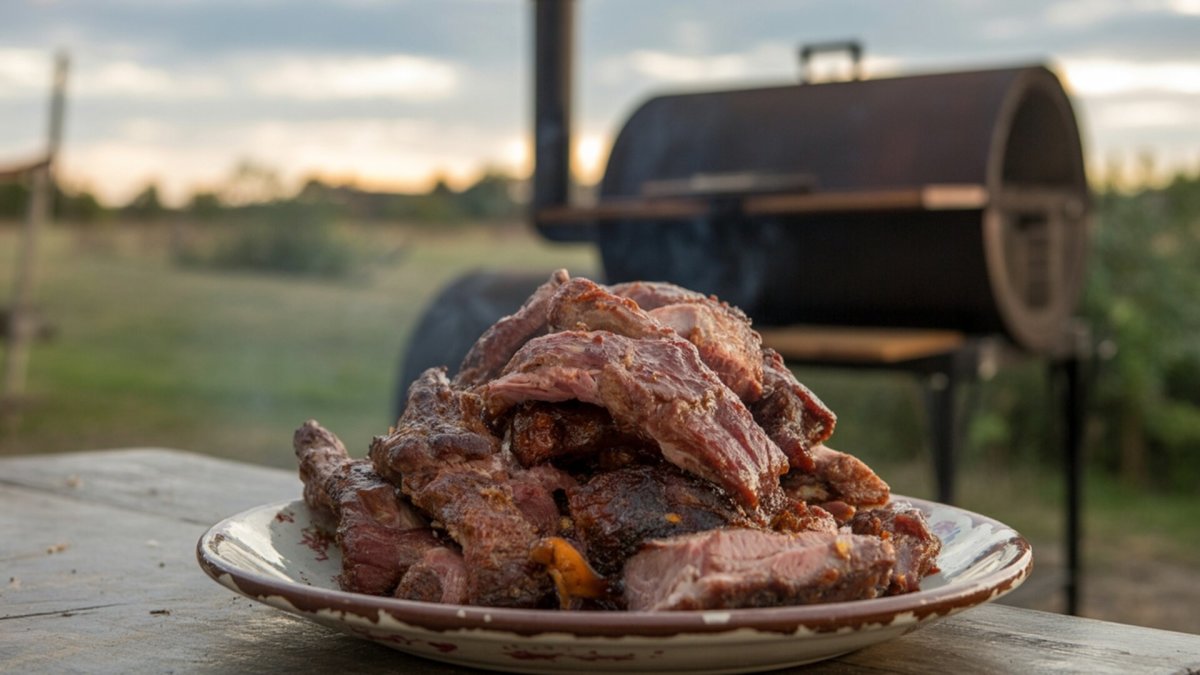
The recent Chapter 11 filing by a prominent BBQ chain, coupled with the closure of multiple locations, has sent shockwaves through the investment community, highlighting the significant impact of rising meat prices on the barbecue industry.
Key Takeaways
- The BBQ chain’s financial woes are primarily attributed to rising meat prices, which have made it challenging for the company to maintain profitability.
- The inability to diversify menus with non-meat options, unlike other restaurants, has exacerbated the issue for barbecue eateries.
- This development serves as a stark reminder of the vulnerability of certain industries to commodity price fluctuations and inflationary pressures.
BBQ Chain’s Financial Struggles: A Deep Dive
The BBQ chain in question has been struggling to cope with the escalating costs of meat, a primary ingredient in its menu offerings. Unlike other restaurants that can offset rising meat prices by incorporating more fish, chicken, pasta, or vegetarian options into their menus, barbecue eateries are largely reliant on meat. This limited flexibility in menu planning has made it difficult for the chain to absorb the increased costs without significantly impacting profitability.
Context: Why This Matters Now
The current economic environment, characterized by rising inflation and supply chain disruptions, has created a perfect storm that is affecting businesses across various sectors. Inflation, in this context, refers to the general increase in prices of goods and services, including meat, which is a critical component of the BBQ chain’s operations. As inflation erodes the purchasing power of consumers, businesses like the BBQ chain face the challenge of balancing their pricing strategy with the need to maintain customer demand. Historical context suggests that similar challenges have been faced by other industries in the past, such as during the 2008 financial crisis, where commodity price volatility had a significant impact on businesses reliant on raw materials.
Understanding Inflation and Its Impact
Inflation works by reducing the value of money over time, meaning that the same amount of money can buy fewer goods and services than it could in the past. For businesses like the BBQ chain, this means that the cost of inputs, such as meat, increases over time, potentially reducing profit margins if menu prices are not adjusted accordingly. Imagine an investor who bought into the BBQ chain’s business model expecting stable or growing profits; the reality of rising meat prices and the subsequent Chapter 11 filing would likely come as a significant disappointment, highlighting the importance of considering inflationary pressures in investment decisions.
Pros and Cons for Your Portfolio
- Risk: Investing in industries heavily exposed to commodity price volatility, such as the barbecue sector, comes with the risk of significant losses if companies are unable to adapt to changing market conditions. This risk is compounded by the potential for supply chain disruptions, which can further exacerbate the challenges faced by these businesses.
- Opportunity: On the other hand, for investors who are able to identify companies that can effectively navigate these challenges, either through diversification, efficient supply chain management, or innovative menu planning, there may be opportunities for long-term growth. Investing in companies that can adapt to changing consumer preferences and economic conditions could yield significant returns for those who are willing to take on the associated risks.
What This Means for Investors
Given the current market conditions and the challenges faced by the BBQ chain, investors should adopt a cautious approach when considering investments in the restaurant sector, particularly in businesses with limited flexibility in their menu offerings. It may be prudent to diversify portfolios to include companies that are less exposed to commodity price volatility or those that have demonstrated an ability to adapt to changing economic conditions. Additionally, investors should keep a close eye on inflation rates and commodity prices, as these can have a significant impact on the profitability of businesses like the BBQ chain. By taking a strategic and informed approach to investment decisions, investors can mitigate risks and position themselves for potential opportunities in the market.
Conclusion and Future Outlook
The BBQ chain’s Chapter 11 filing serves as a reminder of the importance of considering economic factors, such as inflation and commodity price volatility, in investment decisions. As investors navigate the complex and ever-changing landscape of the financial markets, it is crucial to stay informed about industry trends, economic indicators, and the adaptability of companies to changing conditions. By doing so, investors can make more informed decisions and potentially avoid significant losses, while also positioning themselves to capitalize on emerging opportunities. The future outlook for the BBQ chain and similar businesses will depend on their ability to innovate, adapt, and navigate the challenges posed by the current economic environment, making it an interesting space to watch for investors and industry observers alike.