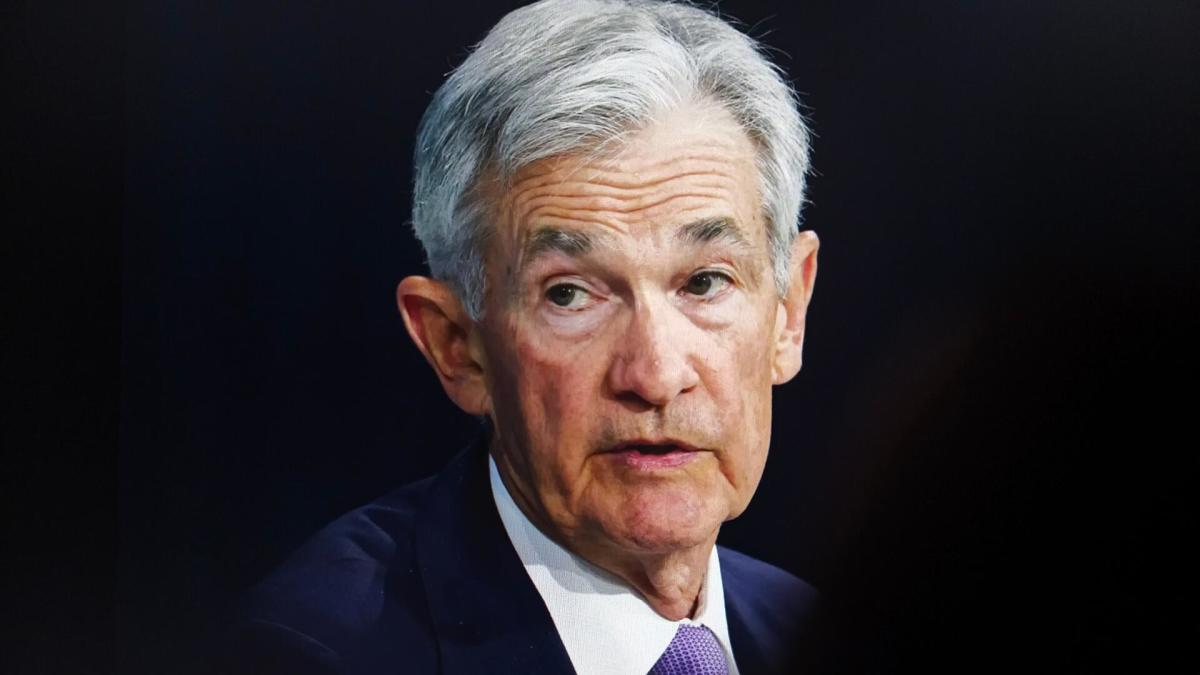
The upcoming decision on the next Federal Reserve chair has sparked intense speculation among investors, as the new chair will face a tough decision on Fed rate cuts, which could significantly impact the US economy and financial markets.
Key Takeaways
- The search for the next Federal Reserve chair is nearing its end, with three top finalists remaining as of December 18.
- The new chair will play a crucial role in determining the future of monetary policy, including the potential for Fed rate cuts.
- The decision on the next Federal Reserve chair will have significant implications for investors, as it could impact inflation, interest rates, and the overall state of the US economy.
Federal Reserve and Monetary Policy: A Deep Dive
The Federal Reserve, also known as the “Fed,” is the central bank of the United States, responsible for promoting maximum employment, stable prices, and moderate long-term interest rates. The Fed uses various tools to achieve these goals, including open market operations, reserve requirements, and interest rates. In the context of inflation, the Fed aims to keep prices stable, which means keeping
Imagine an investor who bought a 10-year Treasury bond with a fixed interest rate of 2%. If inflation rises to 3%, the purchasing power of the bond’s interest payments would decrease, making the investment less valuable. To combat this, the Fed might raise interest rates to reduce inflationary pressures. On the other hand, if the economy is slowing down, the Fed might lower interest rates to stimulate growth.
Context: Why This Matters Now
The current economic landscape is characterized by low unemployment rates and moderate inflation. However, the global economy is facing various challenges, including trade tensions, geopolitical uncertainty, and a slowdown in major economies. In this context, the decision on the next Federal Reserve chair is critical, as it will determine the direction of monetary policy and its impact on the US economy.
Similar to the 2008 financial crisis, the current economic environment requires careful consideration of monetary policy decisions. The Fed’s response to the crisis, including quantitative easing and low interest rates, helped stabilize the economy. However, the prolonged period of low interest rates has also created challenges, such as inflated asset prices and reduced savings rates.
Pros and Cons for Your Portfolio
- Risk: A rate cut might lead to higher
- Opportunity: On the other hand, a rate cut could stimulate economic growth, leading to higher stock prices and increased corporate profits. This could create opportunities for investors to buy stocks at lower prices, potentially generating higher returns in the long run.
What This Means for Investors
Given the uncertainty surrounding the next Federal Reserve chair and the potential for Fed rate cuts, investors should adopt a cautious approach. It is essential to diversify portfolios to minimize exposure to any one particular asset class or sector. Investors should also consider inflation-protected investments, such as Treasury Inflation-Protected Securities (TIPS), to mitigate the impact of potential inflation.
Investors should closely monitor the actions of the Federal Reserve and adjust their investment strategies accordingly. A strategic perspective would involve considering multiple scenarios, including the potential for rate cuts or rate hikes, and adjusting portfolios to minimize risks and maximize opportunities. By staying informed and adapting to changing market conditions, investors can navigate the complexities of the current economic environment and make informed decisions to achieve their long-term financial goals.