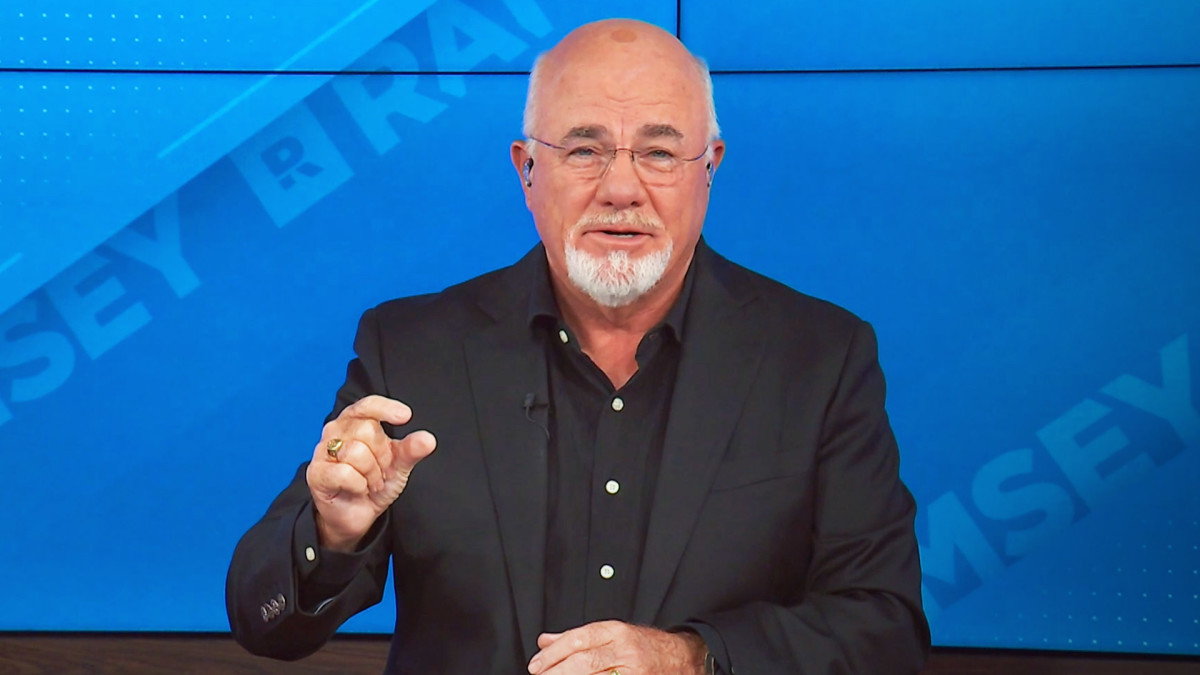
As the year 2025 comes to a close, millions of American workers are facing a daunting reality: their Social Security paychecks will not be enough to sustain them in retirement, prompting many to seek alternative savings strategies, including 401(k) and Roth IRA plans.
Key Takeaways
- The average monthly Social Security benefit is around $2,000, which is often insufficient for retirees.
- Dave Ramsey’s advice on 401(k) and Roth IRA plans has sparked significant interest among investors seeking to supplement their retirement income.
- Understanding the pros and cons of these investment vehicles is crucial for making informed decisions about one’s retirement portfolio.
Understanding 401(k) and Roth IRA Plans
A 401(k) plan is a type of employer-sponsored retirement account that allows employees to contribute a portion of their salary to a tax-deferred investment account. Similarly, a Roth IRA is an individual retirement account that enables individuals to contribute after-tax dollars, which can then grow tax-free and be withdrawn tax-free in retirement.
Imagine an investor who contributes $5,000 annually to a 401(k) plan over the course of 20 years, earning an average annual return of 7%. By the time they retire, their account balance could exceed $200,000, providing a significant source of income in addition to their Social Security benefits.
Historically, 401(k) and Roth IRA plans have been popular among investors seeking to save for retirement. Similar to the 2008 crash, when many investors turned to these plans as a way to rebuild their retirement savings, today’s investors are also looking to these vehicles as a means of securing their financial future.
Context: Why This Matters Now
The current economic landscape, characterized by rising inflation and uncertainty about the future of Social Security, has created a sense of urgency among investors to take control of their retirement savings. As inflation erodes the purchasing power of their money, investors must find ways to grow their wealth at a rate that keeps pace with or exceeds the rate of inflation.
For example, if an investor has $100,000 in a savings account earning a 2% interest rate, but inflation is running at 3%, they are effectively losing purchasing power over time. By investing in a 401(k) or Roth IRA, they may be able to earn higher returns and stay ahead of inflation.
Pros and Cons for Your Portfolio
- Risk: One potential downside of investing in a 401(k) or Roth IRA is that the investments may be subject to market volatility, which could result in losses if the market declines.
- Opportunity: On the other hand, these plans offer the potential for long-term growth and tax benefits, which can be a significant advantage for investors seeking to build wealth over time.
What This Means for Investors
In light of Dave Ramsey’s advice and the current economic landscape, investors should consider the following strategic perspective: contribute as much as possible to a 401(k) or Roth IRA, taking advantage of any employer matching contributions, and aim to save at least 10% to 15% of their income towards retirement.
Additionally, investors should diversify their portfolios to minimize risk and maximize returns, and consider consulting with a financial advisor to determine the best investment strategy for their individual circumstances.
By taking a proactive approach to retirement savings and investing in a 401(k) or Roth IRA, investors can help ensure a more secure financial future and reduce their reliance on Social Security benefits alone.