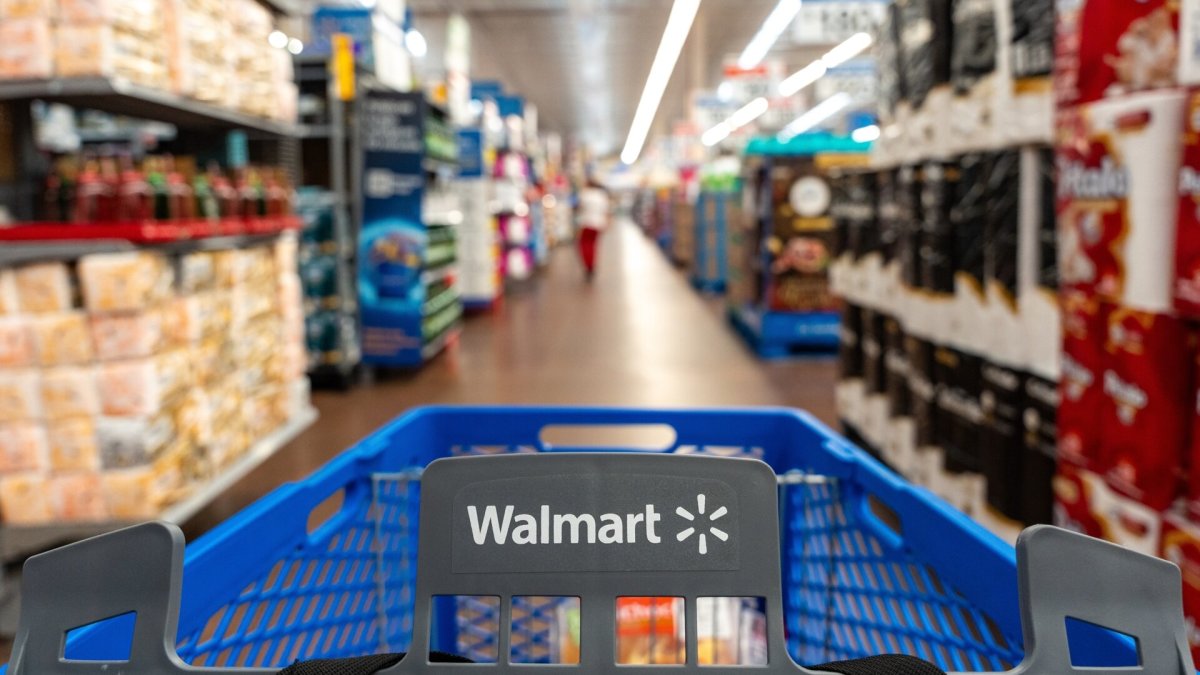
As the holiday season reaches its climax, retailers such as Walmart, Amazon, and Target are poised to reap the benefits of a record-breaking spending spree, despite concerns over a K-shaped economy and its potential impact on consumer behavior.
Key Takeaways
- Americans are on track to set a new record for holiday spending, with 91% of the population celebrating the holidays.
- Retail giants like Walmart, Amazon, and Target are expected to benefit significantly from this trend, with their stocks potentially seeing a boost.
- The K-shaped economy, characterized by a divergence in economic recovery between high-income and low-income households, may not have a significant impact on overall holiday spending.
Deep Dive into Holiday Spending
The holiday season is a critical period for retailers, with many companies generating a significant portion of their annual revenue during this time. This year, despite concerns over the K-shaped economy, Americans are expected to spend more than ever before, with the average consumer shelling out hundreds of dollars on gifts, decorations, and other holiday-related items.
Imagine an investor who bought shares of Walmart or Target at the beginning of the year, anticipating a strong holiday season. As the holidays approach, this investor is likely to see a significant return on their investment, as these retailers benefit from increased consumer spending. However, it’s essential to consider the potential risks, such as a decline in consumer confidence or a shift in spending habits.
Historically, the holiday season has been a time of increased spending, with many retailers offering discounts and promotions to attract customers. Similar to the 2020 holiday season, which saw a surge in online shopping due to the COVID-19 pandemic, this year’s holiday season is expected to be marked by a significant increase in e-commerce sales, with Amazon likely to be a major beneficiary.
Context: Why This Matters Now
The current economic landscape, characterized by a K-shaped recovery, has raised concerns over the potential impact on consumer spending. However, with 91% of Americans celebrating the holidays, it’s likely that many consumers will continue to spend, regardless of economic uncertainty. Inflation, which has been a concern in recent months, may also play a role in holiday spending, as consumers may be more likely to spend now rather than later, when prices may be higher.
The K-shaped economy, which refers to the uneven recovery of different economic sectors, has led to a divergence in spending habits between high-income and low-income households. While high-income households may be more likely to spend freely, low-income households may be more cautious, potentially leading to a shift in spending patterns. However, with many retailers offering discounts and promotions, it’s likely that consumers across all income levels will continue to spend during the holiday season.
Pros and Cons for Your Portfolio
- Risk: A decline in consumer confidence or a shift in spending habits could negatively impact retailers like Walmart, Amazon, and Target, potentially leading to a decline in their stock prices.
- Opportunity: The potential for record-breaking holiday spending presents a significant opportunity for investors, particularly those with shares in retailers that are well-positioned to benefit from increased consumer spending.
What This Means for Investors
Given the potential for record-breaking holiday spending, investors may want to consider adding shares of retailers like Walmart, Amazon, and Target to their portfolios. However, it’s essential to approach this strategy with caution, considering the potential risks and weighing them against the potential rewards. A diversified portfolio, which includes a mix of retail stocks and other investments, can help mitigate risk and provide a more stable return on investment.
Investors should also consider the long-term implications of the K-shaped economy and its potential impact on consumer spending habits. While the holiday season may provide a short-term boost to retailers, the long-term trends in consumer behavior and economic recovery will be critical in determining the success of these companies. As such, investors should stay informed and adapt their strategies accordingly, taking into account the latest economic data and market trends.
Ultimately, the key to success in investing in retailers during the holiday season is to approach the market with a clear understanding of the potential risks and rewards. By doing so, investors can make informed decisions and capitalize on the opportunities presented by record-breaking holiday spending, while minimizing their exposure to potential downsides.