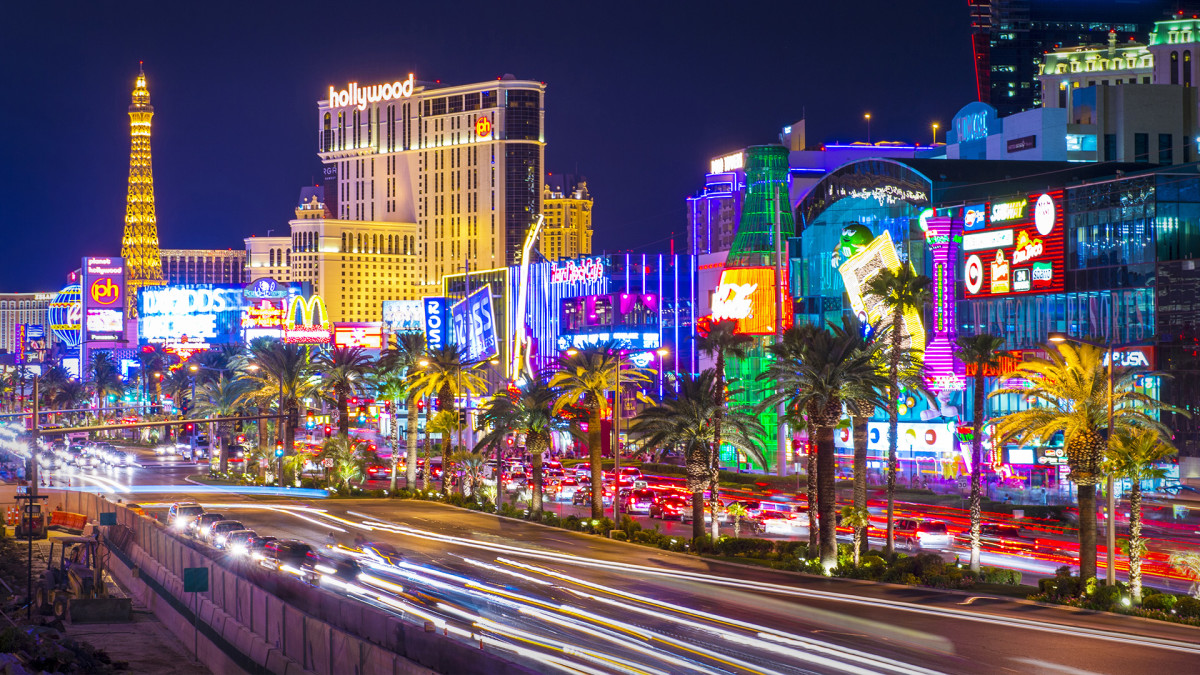
The Las Vegas Strip, once a booming destination for entertainment and leisure, is now facing an alarming decline in visitor numbers, leaving investors and stakeholders wondering about the future of this lucrative industry.
Key Takeaways
- The Las Vegas Strip experienced a record year in 2022, with total economic output related to visitor spending reaching $79.3 billion, a 24.7% increase from the previous year.
- The post-pandemic boom has come to an end, and the Strip is now facing a decline in visitor numbers, raising concerns about the industry’s future.
- The decline in visitor numbers can be attributed to various factors, including inflation, which has increased the cost of travel and accommodations, making it less appealing to potential visitors.
Las Vegas Strip Casinos: A Deep Dive
The Las Vegas Strip has long been a symbol of entertainment and excess, attracting millions of visitors each year. However, the recent decline in visitor numbers has raised concerns about the industry’s future. To understand the situation, it’s essential to look at the numbers. In 2022, the Strip experienced a record year, with total economic output related to visitor spending reaching $79.3 billion. This was a 24.7% increase from the previous year, driven by the pent-up demand for travel and leisure after the pandemic.
Imagine an investor who bought into the Las Vegas Strip’s casino industry in 2020, anticipating a post-pandemic boom. Initially, the investment seemed to be paying off, with visitor numbers and revenue increasing significantly. However, as the pandemic subsided, and inflation began to rise, the investor started to notice a decline in visitor numbers. This decline can be attributed to various factors, including the increased cost of travel and accommodations, making it less appealing to potential visitors.
Context: Why This Matters Now
The decline in visitor numbers on the Las Vegas Strip is not an isolated incident. Similar declines have been observed in other tourist destinations, highlighting the impact of inflation on the travel and leisure industry. The current economic climate, characterized by rising interest rates and increasing costs, has made it challenging for the industry to maintain its momentum. Historically, the Las Vegas Strip has been resilient, bouncing back from previous downturns, such as the 2008 financial crisis. However, the current situation is unique, with the pandemic and inflation presenting a perfect storm of challenges.
To put this into perspective, consider the example of a tourist who planned to visit the Las Vegas Strip in 2022. With the average hotel room rate increasing by 15% due to inflation, the tourist may have been deterred from visiting, opting instead for a more affordable destination. This scenario illustrates the impact of inflation on the travel and leisure industry, highlighting the need for investors to reassess their strategies.
Pros and Cons for Your Portfolio
- Risk: The decline in visitor numbers on the Las Vegas Strip poses a significant risk to investors who have exposure to the casino industry. As revenue declines, the ability of these companies to service their debt and maintain profitability may be compromised, leading to potential losses for investors.
- Opportunity: The current situation also presents an opportunity for investors to reevaluate their portfolios and consider alternative investments that are less susceptible to the impact of inflation and declining visitor numbers. For example, investors may consider diversifying their portfolios by investing in industries that are less dependent on discretionary spending, such as healthcare or technology.
What This Means for Investors
So, what does this mean for investors? In the short term, it’s essential to reassess portfolios and consider reducing exposure to the casino industry. However, it’s also important to recognize that the Las Vegas Strip has a history of resilience and adaptability. Investors who are willing to take a long-term view may still find opportunities in the industry, particularly if they can identify companies that are well-positioned to navigate the current challenges. Ultimately, a strategic approach to investing in the Las Vegas Strip’s casino industry will be crucial in mitigating potential losses and capitalizing on future opportunities.
In conclusion, the decline in visitor numbers on the Las Vegas Strip is a significant concern for investors and stakeholders. While the current situation presents challenges, it also offers opportunities for investors to reassess their portfolios and consider alternative investments. By taking a strategic approach and considering the potential risks and opportunities, investors can navigate the current landscape and position themselves for success in the long term.