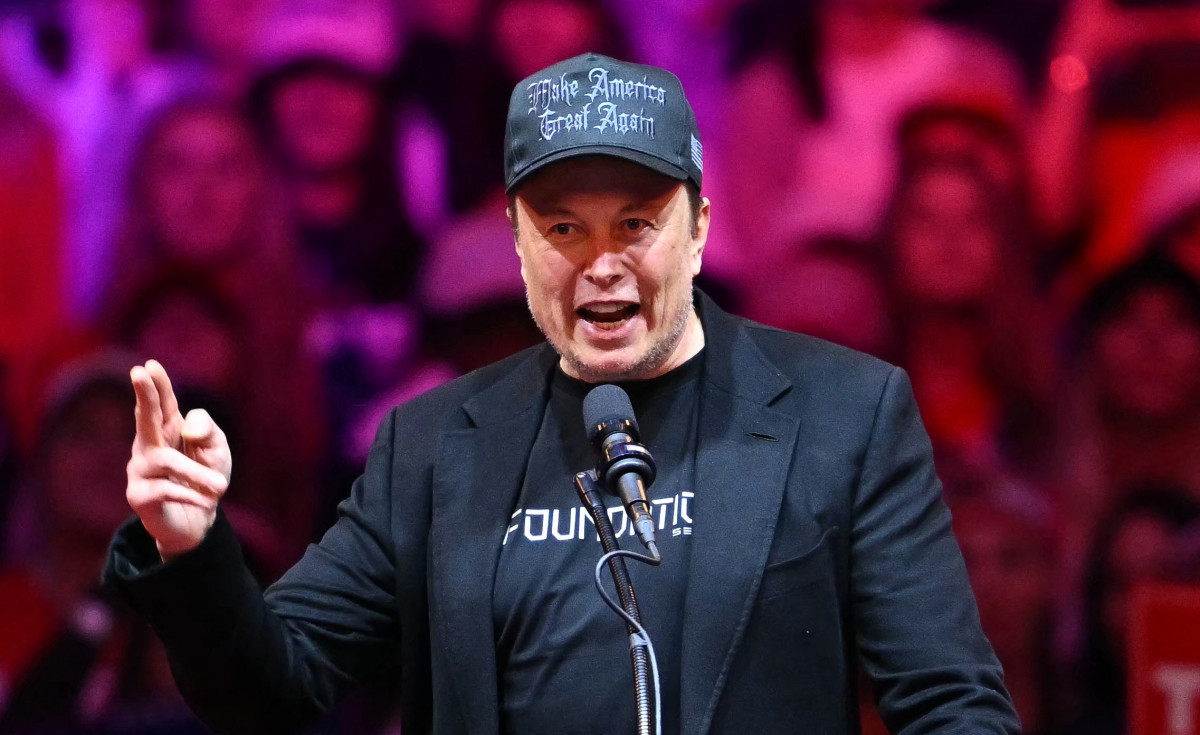
As the financial world grapples with the latest revelation from Elon Musk, a staggering estimate of $1.5 trillion in annual fraud of U.S. taxpayer money has sent shockwaves, prompting a crucial examination of Washington’s financial dealings and their implications for investors.
Key Takeaways
- Elon Musk’s recent post on X (formerly Twitter) highlighted an estimated $1.5 trillion in annual fraud of U.S. taxpayer money, roughly 20% of the total.
- This figure underscores a significant issue with financial management and oversight within the U.S. government.
- Understanding the context and implications of this estimate is crucial for investors to navigate potential market shifts and make informed decisions.
Deep Dive: Unpacking the $1.5 Trillion Estimate
Elon Musk’s assertion that $1.5 trillion of U.S. taxpayer money is lost to fraud annually is a staggering claim, especially when considering the scale of the U.S. budget. To put this number into perspective, $1.5 trillion is roughly the size of the entire U.S. budget for certain key sectors combined, indicating a massive leakage in the system. This estimate suggests that a significant portion of taxpayer funds intended for public services, infrastructure, and social programs may be misappropriated or lost due to inefficiencies and fraudulent activities.
Imagine an investor who contributes to the tax base, expecting their money to be used for public goods and services. The realization that a substantial portion might be lost to fraud could erode trust in government spending and potentially influence investment decisions, especially in sectors closely tied to government contracts and funding.
Context: Why This Matters Now
The issue of fraud and mismanagement of taxpayer money is not new, but the current economic climate, marked by inflation and fiscal tightening, makes it particularly pertinent. Inflation, in this context, works by eroding the purchasing power of the dollar, meaning that the real value of the $1.5 trillion lost to fraud is even more significant when adjusted for inflation. This scenario is similar to historical instances where economic downturns or times of financial stress exposed deep-seated issues in financial management and governance.
Historically, times of economic stress have often laid bare systemic problems, such as the 2008 financial crash, which highlighted issues in the banking sector, or the 2021 tech boom, which brought attention to the volatility of unregulated markets. Today, the focus on fraud in government spending could lead to increased scrutiny and calls for reform, potentially affecting how budgets are allocated and overseen in the future.
Pros and Cons for Your Portfolio
- Risk: The revelation of such extensive fraud could lead to increased regulatory scrutiny and potential instability in sectors heavily reliant on government contracts, posing a risk to investments in these areas.
- Opportunity: On the other hand, companies specializing in fraud detection, cybersecurity, and financial oversight could see increased demand for their services, presenting an opportunity for growth and investment in these sectors.
What This Means for Investors
For investors, the key takeaway is the need for a strategic and informed approach to navigating the potential fallout and opportunities arising from this situation. It may be wise to diversify portfolios to include companies that could benefit from increased scrutiny on fraud and mismanagement, such as those in the financial technology sector offering solutions for transparency and oversight. Additionally, investors should remain vigilant about developments in government spending and regulatory changes that could impact various sectors.
Ultimately, the estimate provided by Elon Musk serves as a reminder of the complexity and challenges inherent in managing public finances. As investors, understanding these dynamics and their potential impact on the market can provide a critical edge in making informed investment decisions.