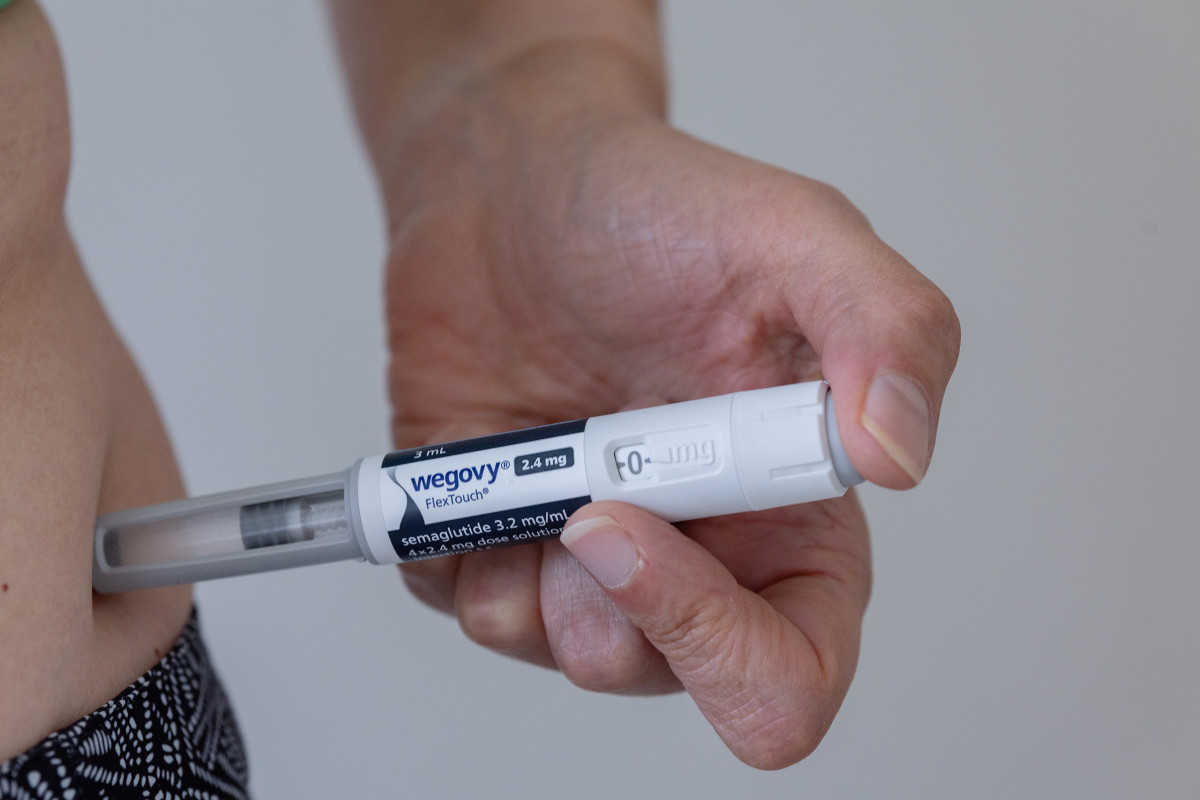
The global pharmaceutical landscape is on the cusp of a significant shift, as major players like Lilly and Novo adapt their GLP-1 strategies in response to a major pricing overhaul overseas, potentially sending ripples through the US market and impacting investors’ portfolios.
Key Takeaways
- Lilly and Novo are adjusting their GLP-1 strategies globally, with a focus on pricing shifts.
- This shift could have a profound impact on the US market, affecting the pharmaceutical sector and related stocks.
- Investors should be aware of the potential risks and opportunities presented by this development, considering both the global and local market implications.
GLP-1 Strategy Shift: A Deep Dive
The GLP-1 receptor agonists, which include drugs like semaglutide and dulaglutide, have been a cornerstone in the treatment of type 2 diabetes and, more recently, obesity. The strategy shift by Lilly and Novo, two of the leading manufacturers of these drugs, indicates a response to changing market conditions, potentially driven by regulatory pressures, competitive dynamics, or evolving patient needs.
This shift could involve adjustments in pricing, marketing strategies, or even the development of new formulations or indications for existing GLP-1 drugs. For instance, imagine an investor who has a significant stake in Lilly or Novo; understanding the implications of this strategy shift is crucial for making informed decisions about their portfolio.
Context: Why This Matters Now
The pharmaceutical industry is highly sensitive to regulatory changes, economic conditions, and technological advancements. The current global economic landscape, marked by inflationary pressures and shifts in healthcare policies, creates a complex environment for pharmaceutical companies. Inflation, in this context, refers to the increase in prices of goods and services, which can impact the profitability of drug sales and the affordability of healthcare for consumers.
Historically, similar shifts in strategy have occurred in response to significant market changes. For example, the 2008 financial crisis led to a reevaluation of business models across various sectors, including pharmaceuticals, as companies sought to adapt to new economic realities. Similarly, the COVID-19 pandemic accelerated changes in healthcare delivery and pharmaceutical research, emphasizing the need for flexibility and innovation.
Pros and Cons for Your Portfolio
- Risk: The pricing shift could lead to decreased profitability for Lilly and Novo if the market does not respond favorably to their new strategies, potentially affecting stock prices and investor returns.
- Opportunity: On the other hand, a well-executed strategy shift could position these companies for significant growth, especially if they can capitalize on emerging trends in diabetes and obesity treatment, offering investors a chance to benefit from increased demand and market share.
What This Means for Investors
Given the potential implications of Lilly and Novo’s GLP-1 strategy shift, investors should adopt a strategic perspective, considering both the short-term risks and long-term opportunities. This might involve diversifying their portfolios to mitigate risks associated with any single stock or sector, while also keeping a close eye on developments in the pharmaceutical industry.
Investors should also be aware of the broader market trends and economic factors that could influence the success of these strategy shifts. For instance, changes in healthcare policies, advancements in medical technology, and shifts in consumer behavior could all play a role in determining the outcome of Lilly and Novo’s efforts.
Ultimately, making informed investment decisions will require a deep understanding of the complex interplay between pharmaceutical companies, regulatory environments, and market dynamics. By staying informed and adapting to changing circumstances, investors can navigate the challenges and opportunities presented by Lilly and Novo’s GLP-1 strategy shift.