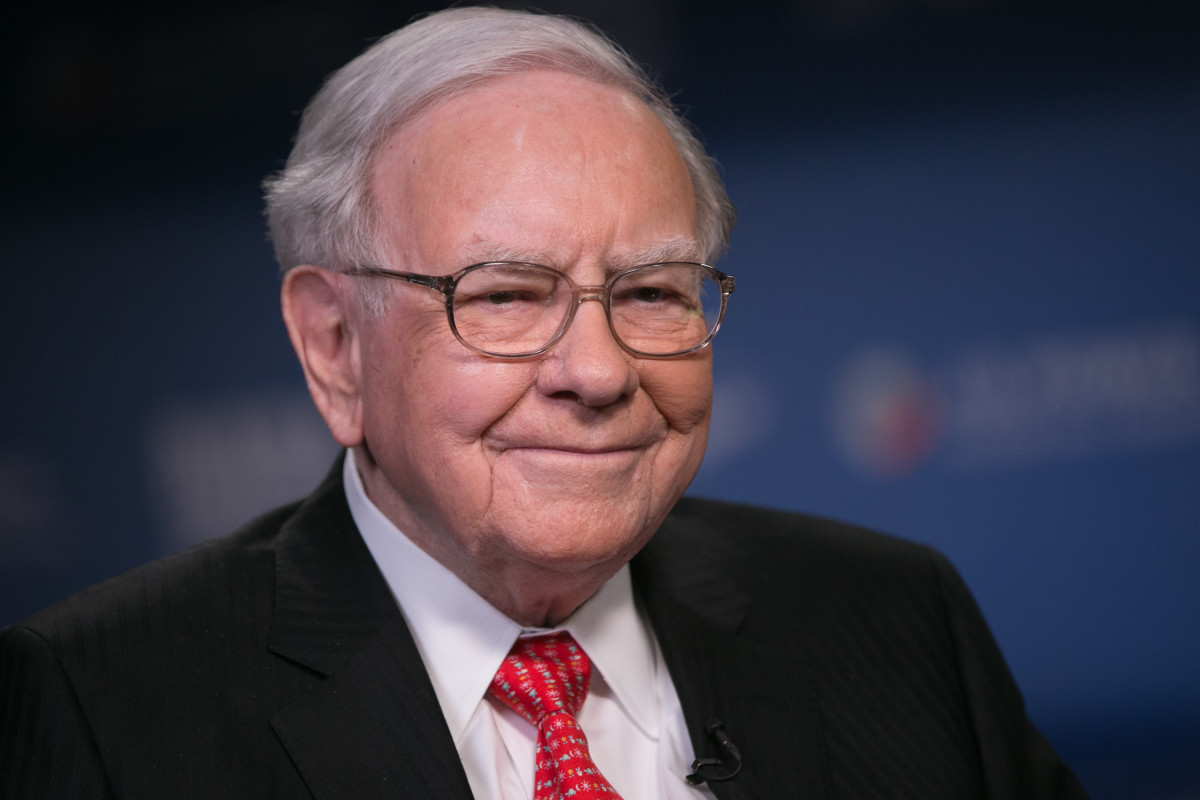
As Warren Buffett steps down as CEO of Berkshire Hathaway, investors are left wondering what the future holds for one of the most successful investment companies in history, and whether Greg Abel can fill the shoes of the legendary investor.
Key Takeaways
- Warren Buffett has officially stepped down as CEO of Berkshire Hathaway, ending his six-decade tenure at the helm of the company.
- Greg Abel, a 63-year-old veteran of the company, has taken over as CEO, while Buffett remains on as chairman.
- The transition marks a significant change in leadership for Berkshire Hathaway, and investors are watching closely to see how the company will perform under new management.
Warren Buffett’s Legacy: A Deep Dive
Warren Buffett’s departure from the CEO role at Berkshire Hathaway is a significant event in the financial world, as he has been the driving force behind the company’s success for over six decades. Under his leadership, Berkshire Hathaway has grown from a small textile mill to a multinational conglomerate with a market capitalization of over $500 billion. Buffett’s investment philosophy, which emphasizes long-term value investing and a focus on quality companies with strong fundamentals, has been incredibly successful, and his track record is unparalleled in the investment world.
Buffett’s Investment Strategy
Buffett’s investment strategy is based on a few key principles, including a focus on value investing, a long-term perspective, and a willingness to take a contrarian view. He has also been known for his ability to identify and invest in high-quality companies with strong management teams and competitive advantages. Some of his most notable investments include Coca-Cola, American Express, and Wells Fargo, all of which have been incredibly successful over the long term.
Context: Why This Matters Now
The transition in leadership at Berkshire Hathaway is happening at a time of significant change in the financial markets. The global economy is facing a number of challenges, including inflation, which is defined as a sustained increase in the general price level of goods and services in an economy over a period of time. This can be caused by a variety of factors, including an increase in the money supply, economic growth, and supply chain disruptions. In the context of Berkshire Hathaway, inflation could have a significant impact on the company’s investments, particularly those in the consumer goods sector.
Historical Context
This is not the first time that Berkshire Hathaway has faced a transition in leadership. In the past, the company has navigated significant changes in the financial markets, including the 2008 financial crisis and the 2021 tech boom. In each of these cases, the company has emerged stronger and more resilient, thanks to Buffett’s leadership and investment philosophy. However, the current transition is significant because it marks the first time that Buffett has stepped down as CEO, and investors are watching closely to see how the company will perform under new management.
Pros and Cons for Your Portfolio
- Risk: One potential downside of the transition in leadership at Berkshire Hathaway is that the company may struggle to maintain its current level of performance. Without Buffett at the helm, the company may be more likely to make mistakes or take on excessive risk, which could negatively impact investors.
- Opportunity: On the other hand, the transition in leadership could also create opportunities for investors. Greg Abel, the new CEO, has a strong track record of success within the company, and may bring a fresh perspective to the investment process. Additionally, the company’s diverse portfolio of businesses and investments provides a significant cushion against potential downturns in the market.
What This Means for Investors
So what does this mean for investors? In the short term, it’s likely that the transition in leadership at Berkshire Hathaway will create some volatility in the stock price. However, for long-term investors, the company’s strong fundamentals and diverse portfolio of businesses and investments make it an attractive option. Investors who are looking to buy or hold Berkshire Hathaway stock should take a long-term perspective, and focus on the company’s underlying fundamentals rather than short-term market fluctuations. Additionally, investors may want to consider diversifying their portfolios to include other high-quality companies with strong management teams and competitive advantages.
Strategic Perspective
From a strategic perspective, investors may want to consider the following: first, take a long-term view and focus on the company’s underlying fundamentals; second, diversify your portfolio to include other high-quality companies with strong management teams and competitive advantages; and third, be prepared for potential volatility in the short term, but remain confident in the company’s ability to perform over the long term. By taking a disciplined and patient approach, investors can navigate the transition in leadership at Berkshire Hathaway and potentially reap significant rewards over the long term.