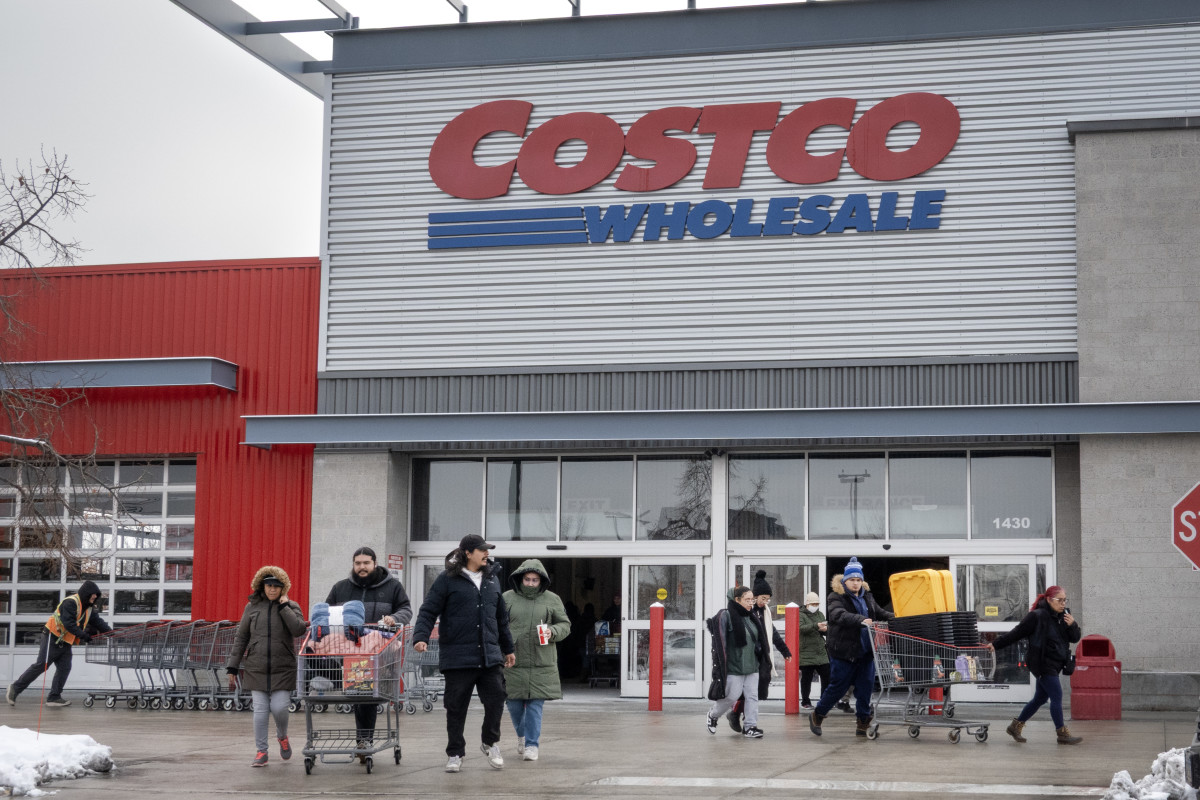
As the retail landscape continues to evolve, Costco’s enduring success story serves as a testament to the power of innovative business models, with the company’s membership warehouse club approach celebrating its 50th anniversary and still going strong.
Key Takeaways
- Costco pioneered the membership warehouse club model 50 years ago, offering a wide range of products at wholesale prices.
- The company’s product lineup includes everything from everyday essentials like produce and groceries to luxury items such as gold bars and Rolex watches.
- Costco’s business model has proven resilient, adapting to changing consumer behaviors and economic conditions over the decades.
Costco’s Evolution: A Deep Dive
Costco’s story began with a simple yet revolutionary idea: to offer high-quality products at significantly lower prices than traditional retailers, made possible by selling in bulk and requiring a membership fee. This approach not only attracted price-conscious consumers but also created a loyal customer base. Over the years, Costco has expanded its offerings to cater to a wide range of consumer needs, from everyday essentials to luxury goods, making it a one-stop shopping destination.
The inclusion of luxury items such as gold bars and Rolex watches may seem counterintuitive for a warehouse club, but it reflects Costco’s strategy to offer something for everyone, including affluent shoppers looking for deals on high-end products. This diverse product range has contributed to Costco’s ability to attract and retain a broad customer base, a key factor in its long-term success.
Context: Why This Matters Now
The current economic climate, marked by inflation concerns and shifting consumer behaviors, underscores the relevance of Costco’s business model. As consumers become more price-sensitive, the appeal of wholesale pricing and the convenience of a one-stop shopping experience are heightened. Moreover, the economic uncertainty has led to an increased interest in luxury items as stores of value, such as gold, further diversifying Costco’s appeal.
Historically, similar economic downturns have seen consumers turn to discount retailers and warehouse clubs as a way to stretch their budgets. The 2008 financial crisis, for example, led to a surge in popularity of budget-friendly shopping options. Today, with the global economy navigating post-pandemic challenges and facing potential recessionary pressures, Costco’s model is well-positioned to continue thriving.
Pros and Cons for Your Portfolio
- Risk: One potential downside for investors is the impact of inflation on Costco’s profit margins. As the cost of goods increases, the company may face challenges in maintaining its low-price strategy without sacrificing profitability.
- Opportunity: On the other hand, Costco’s diversified product offerings and loyal customer base present a significant opportunity for growth. The company’s ability to attract a wide range of consumers, including those looking for luxury items, can help mitigate the risks associated with economic downturns and position it for long-term success.
What This Means for Investors
For investors considering adding Costco to their portfolio, it’s essential to weigh the company’s strengths, such as its resilient business model and loyal customer base, against potential challenges like inflationary pressures. Given the current economic climate, investors may find value in companies that offer essential services and products at competitive prices, making Costco an attractive option for those seeking stability and growth potential.
Imagine an investor who bought into Costco during its early days; they would have witnessed significant growth and resilience through various economic cycles. While past performance is not a guarantee of future success, Costco’s ability to adapt and evolve over 50 years bodes well for its future prospects. As such, investors looking for a long-term play in the retail sector may want to consider Costco as a strategic addition to their portfolio.