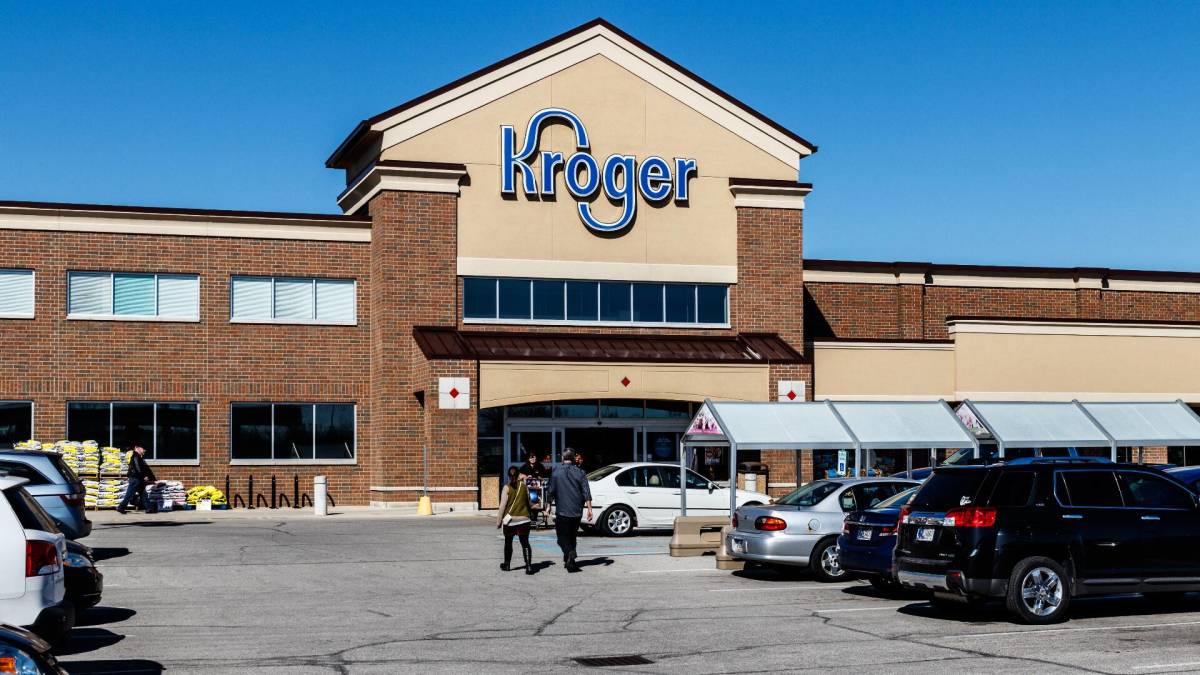
Kroger’s unveiling of a major grocery savings plan comes at a critical time for consumers, as soaring prices threaten to curtail spending habits, with inflation being a key factor in this equation, referring to the rate at which prices for goods and services are rising, thereby reducing the purchasing power of consumers.
Key Takeaways
- Kroger has initiated a significant strategy to retain customer spending amidst rising prices.
- The move is aimed at combating the effects of inflation on consumer behavior and maintaining market share.
- This strategy could have broader implications for the retail and grocery sectors, potentially influencing competitor responses and consumer expectations.
Kroger’s Strategic Move: A Deep Dive
Kroger, one of the largest grocery retailers in the United States, has made a major move to keep customers from pulling back their spending. This decision is a direct response to the current economic climate, where inflation is a significant concern for both businesses and consumers. By introducing a major grocery savings plan, Kroger aims to mitigate the impact of rising prices on consumer spending habits, ensuring that customers continue to choose Kroger over its competitors.
Context: Why This Matters Now
The current economic environment, marked by rising prices and concerns over inflation, has put pressure on retailers to find innovative ways to retain customers. Historically, periods of high inflation have led to shifts in consumer behavior, with shoppers becoming more price-conscious and seeking out savings opportunities. This is not unlike the early 2020s, when the COVID-19 pandemic led to supply chain disruptions and price increases, prompting similar strategic responses from retailers. Today, the challenge for companies like Kroger is to balance the need to maintain profitability with the necessity of offering value to price-sensitive consumers.
Economic Factors at Play
The decision by Kroger to unveil a major grocery savings plan is also influenced by broader economic factors, including the state of the job market, consumer confidence, and the overall health of the retail sector. As the economy continues to navigate the challenges posed by inflation, retailers must be proactive in adapting their strategies to meet evolving consumer needs and preferences. This includes investing in digital technologies to enhance the shopping experience, expanding private label offerings, and implementing loyalty programs that reward customer loyalty.
Pros and Cons for Your Portfolio
- Risk: One potential downside of Kroger’s strategy is the impact it could have on profit margins, as deepening discounts could reduce earnings per share, affecting investor returns.
- Opportunity: On the other hand, successfully retaining customers and gaining market share during a period of economic uncertainty could position Kroger for long-term growth, making it an attractive option for investors looking for resilient retail stocks.
What This Means for Investors
For investors, Kroger’s move signals a proactive approach to navigating the challenges of inflation and changing consumer behavior. When considering retail stocks, it’s essential to look for companies that are adapting their strategies to meet current economic conditions. Investors should monitor how effectively Kroger’s savings plan retains customer loyalty and impacts the company’s financial performance. This could involve tracking same-store sales, customer traffic, and the company’s ability to maintain or increase its market share. Additionally, investors might consider the potential for similar strategies to be adopted by other retailers, potentially leading to a sector-wide shift in how companies approach pricing and customer retention.
Strategic Perspective
Imagine an investor who is looking to diversify their portfolio with retail stocks that can withstand economic headwinds. Kroger’s initiative could be seen as a strategic move to bolster its position in the market, potentially making it a more stable choice for investment. However, it’s crucial for investors to weigh the potential benefits against the risks, including the impact on profitability and the competitive responses from other retailers. By taking a nuanced view that considers both the opportunities and challenges presented by Kroger’s grocery savings plan, investors can make informed decisions that align with their investment goals and risk tolerance.
Conclusion
In conclusion, Kroger’s unveiling of a major grocery savings plan is a significant development for both the company and the broader retail sector. As investors navigate the complexities of the current economic environment, understanding the implications of such strategic moves is crucial. By analyzing the potential pros and cons, and considering the historical context and economic factors at play, investors can develop a deeper understanding of what this means for their portfolios and make strategic decisions to optimize their investment outcomes.