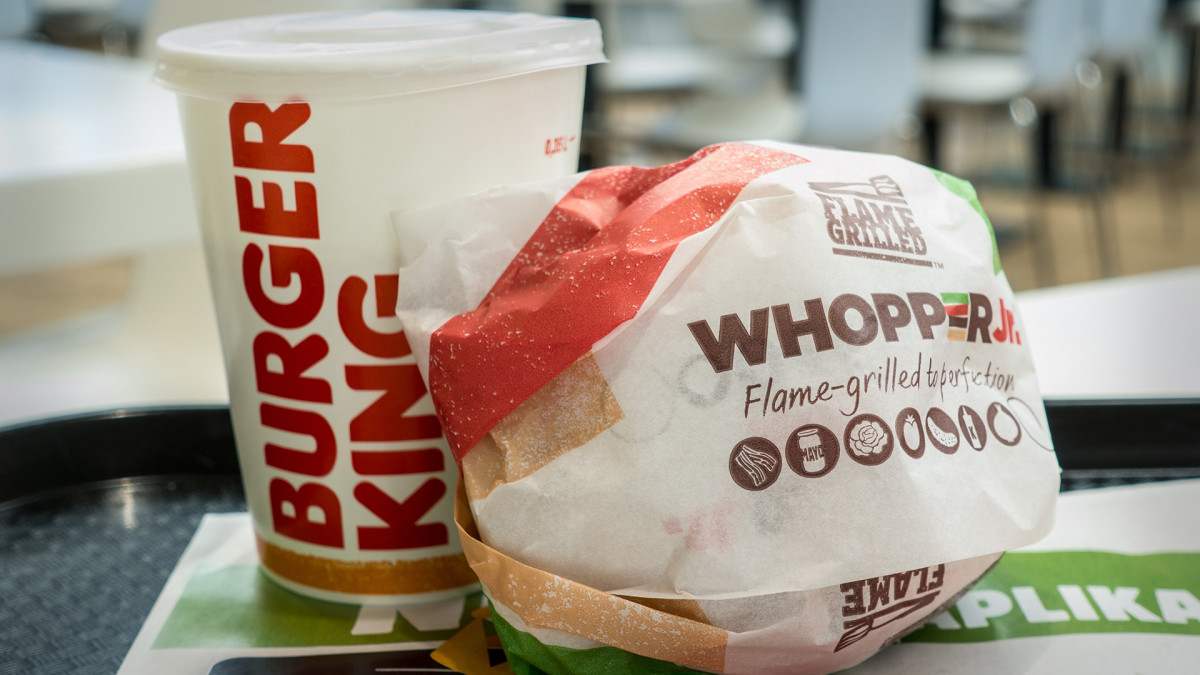
Burger King’s recent $400 million investment in its “Reclaim the Flame” efforts signals a significant shift in the brand’s strategy, aiming to revamp its image and attract new customers in a highly competitive fast-food market, where inflation is affecting consumer spending habits.
Key Takeaways
- Burger King has launched a $400 million U.S. turnaround plan, focusing on marketing, advertising, and operational upgrades to improve its brand image and customer experience.
- About $150 million of the investment is dedicated to advertising and digital investments, indicating a significant push towards online marketing and digital engagement.
- The remaining $250 million will be allocated to operational upgrades, suggesting efforts to enhance the overall customer experience through improved services and possibly menu revamps.
Burger King’s Bold Bet: The Whopper Revamp Strategy
Burger King’s decision to invest heavily in its “Reclaim the Flame” efforts is a strategic move to turn around its brand. By combining marketing, advertising, and operational upgrades, the company aims to appeal to a wider audience and increase its market share. The significant allocation of funds towards advertising and digital investments highlights the importance of online presence and digital marketing in today’s fast-food industry.
Imagine an investor who bought into Burger King’s parent company, Restaurant Brands International (RBI), hoping to see a turnaround in the brand’s fortunes. This investor would be keenly watching the outcomes of the “Reclaim the Flame” initiative, as its success could significantly impact the stock’s performance and the company’s overall valuation.
Context: Why This Matters Now
The fast-food industry is highly competitive, with brands constantly vying for customer attention. The current economic climate, marked by inflation, is affecting consumer spending habits, making it essential for brands like Burger King to adapt and offer compelling value propositions to their customers. Similar to the 2008 financial crisis, when brands that innovated and invested in their marketing and operational capabilities managed to thrive, Burger King’s move can be seen as a proactive strategy to stay competitive.
Historically, significant investments in brand revamps have yielded mixed results. However, in today’s digital age, a well-executed strategy that combines online engagement with operational excellence can lead to substantial returns. Burger King’s approach, focusing on both advertising and operational upgrades, indicates a comprehensive understanding of the challenges and opportunities in the current market.
Pros and Cons for Your Portfolio
- Risk: One of the potential downsides of Burger King’s strategy is the significant upfront cost of the “Reclaim the Flame” initiative. If the campaign does not yield the expected results, it could negatively impact the company’s bottom line and, by extension, its stock price.
- Opportunity: On the other hand, a successful turnaround could lead to increased customer loyalty, improved sales, and a higher stock price. The focus on digital investments could also position Burger King favorably for long-term growth, as online ordering and delivery services continue to gain popularity.
What This Means for Investors
For investors considering Burger King’s parent company, RBI, it’s essential to take a strategic perspective. The “Reclaim the Flame” initiative presents both risks and opportunities. Investors should closely monitor the campaign’s progress, looking for indicators of success such as increased sales, improved customer satisfaction, and effective digital engagement. A wait-and-see approach might be prudent, allowing investors to assess the initiative’s impact before making significant investment decisions.
Moreover, understanding the broader market trends, including the impact of inflation on consumer spending, is crucial. As the fast-food industry continues to evolve, with brands competing on price, quality, and convenience, Burger King’s ability to adapt and innovate will be key to its success. Investors should consider these factors when evaluating the potential of RBI and the fast-food sector as a whole.