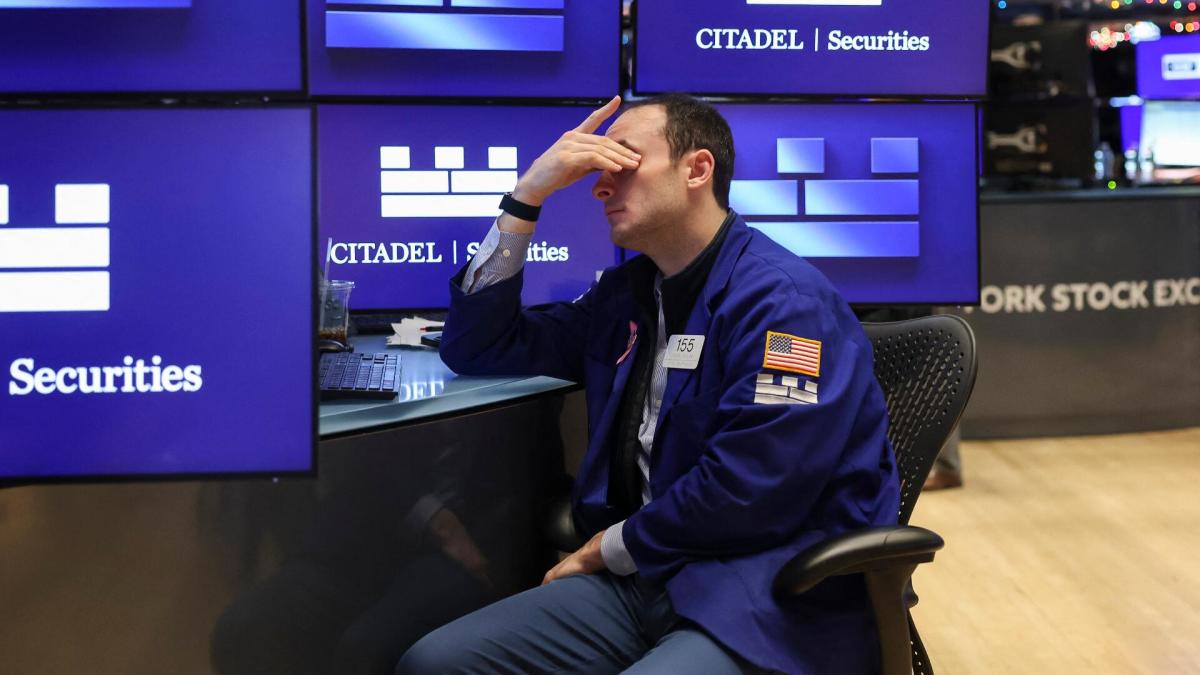
As the market stands at the precipice of uncertainty, with unemployment and Supreme Court surprises looming, investors are bracing for potential volatility that could shake the foundations of the stock market on Friday, underscoring the age-old adage that markets abhor uncertainty.
Key Takeaways
- The stock market’s performance is significantly influenced by trends and clear outcomes, struggling in the face of uncertainty.
- Unemployment rates and Supreme Court decisions can have profound effects on market stability and investor confidence.
- Investors must be prepared to adapt their strategies in response to changing economic and legal landscapes.
Understanding Market Uncertainty
The concept of uncertainty in the market refers to the unpredictability of future events that can impact stock prices and investor decisions. This uncertainty can stem from various factors, including economic indicators like unemployment rates, legal decisions such as those from the Supreme Court, and geopolitical events. When these factors are unclear or unpredictable, they can lead to market volatility, as investors are less likely to make significant moves without a clear understanding of potential outcomes.
Context: Why This Matters Now
The current economic climate, coupled with the anticipation of significant announcements regarding unemployment and potential surprises from the Supreme Court, sets the stage for a potentially tumultuous period in the stock market. Historically, similar periods of uncertainty have led to significant market fluctuations. For instance, during the 2008 financial crisis, uncertainty regarding the stability of financial institutions and the overall economy led to a marked decline in stock prices. Conversely, periods of low unemployment and stable legal environments have often been associated with market growth and investor confidence.
Historical Precedents
Similar to the 2008 crash, where uncertainty about the future of the banking system led to a freeze in credit markets and a subsequent downturn in the stock market, today’s investors are facing a myriad of uncertainties. The difference, however, lies in the current economic fundamentals and the tools at the disposal of policymakers to mitigate potential downturns. Understanding these historical contexts can provide valuable insights for investors navigating today’s complex market landscape.
Pros and Cons for Your Portfolio
- Risk: The primary risk in periods of high uncertainty is the potential for significant and rapid declines in stock prices. Investors who are heavily invested in the stock market may see the value of their portfolios decrease substantially if the market reacts negatively to unexpected news or economic indicators.
- Opportunity: On the other hand, periods of uncertainty can also present opportunities for investors. Stocks that are undervalued due to broad market sell-offs can offer attractive entry points for long-term investors. Additionally, sectors that are less affected by or even beneficiaries of the current situation can provide a safe haven or growth potential.
What This Means for Investors
In the face of looming uncertainty, investors should adopt a cautious yet proactive approach. Diversification is key, as spreading investments across different asset classes and sectors can help mitigate risk. Moreover, staying informed about economic indicators, legal decisions, and their potential impacts on the market is crucial. Investors should also consider their long-term goals and not make knee-jerk reactions to short-term market volatility. For those with a solid financial foundation and a long-term perspective, the current uncertainty might provide strategic buying opportunities, especially in sectors that are poised for growth regardless of the short-term market fluctuations.
Strategic Perspectives
Imagine an investor who has been watching the market closely, waiting for the right moment to invest in a diversified portfolio. As the market reacts to unemployment and Supreme Court news, this investor sees an opportunity to buy into the market at potentially discounted prices, with the understanding that historical trends suggest markets tend to recover and grow over the long term. This strategic approach, combined with a thorough understanding of the market’s potential risks and opportunities, can help investors navigate periods of uncertainty with confidence.
Conclusion
In conclusion, the forthcoming announcements on unemployment and potential surprises from the Supreme Court are set to test the stock market’s resolve. While uncertainty can lead to volatility, it also presents opportunities for savvy investors. By understanding the historical context, being aware of the pros and cons, and adopting a strategic perspective, investors can not only weather the storm but also potentially capitalize on the situation. As the market navigates these uncharted waters, one thing is clear: the ability to adapt and make informed decisions will be the hallmark of successful investing in this climate.