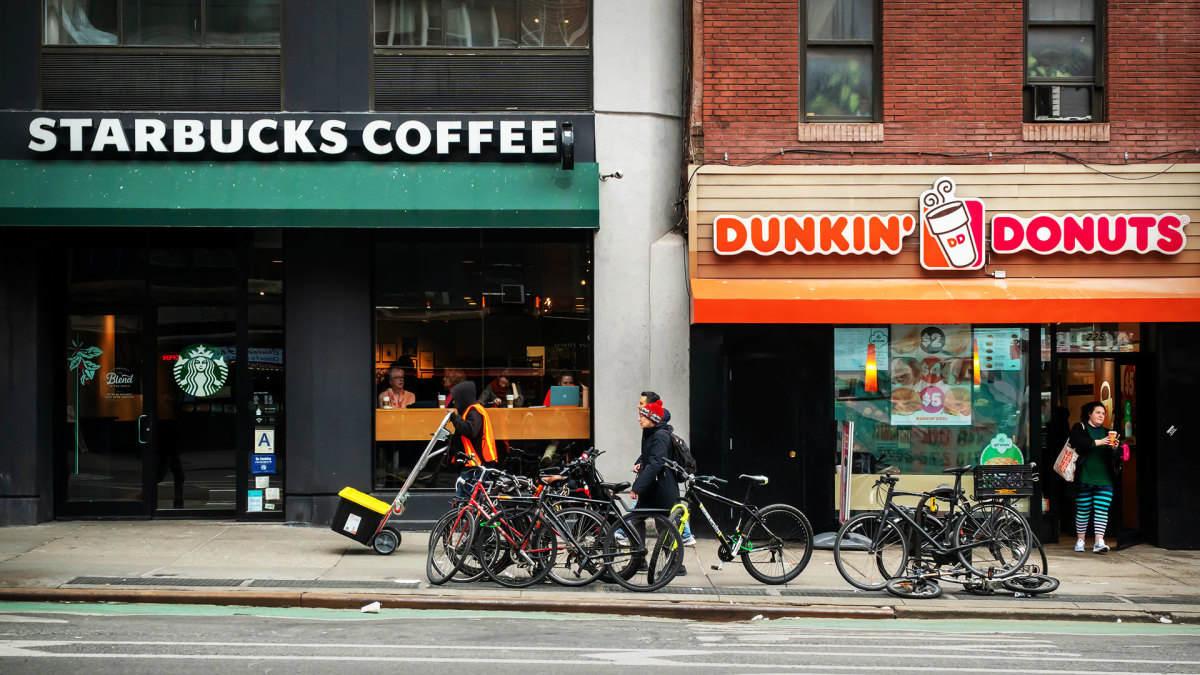
As the fast-paced world of food chains continues to evolve, Dunkin’ is reinventing its menu to rival Starbucks, signaling a significant shift in the competitive landscape of the coffee and beverage industry, where inflation and changing consumer preferences play a crucial role.
Key Takeaways
- Dunkin’ is revamping its menu to compete more effectively with Starbucks, focusing on innovation and customer preferences.
- The move reflects a broader trend in the food industry where chains are constantly launching new products to stay relevant and attract a loyal customer base.
- This competitive strategy involves borrowing concepts from competitors and adapting them to offer unique experiences, indicating a high level of market saturation and the need for differentiation.
Dunkin’ Reinvents Menu: A Deep Dive
Dunkin’, a well-established name in the coffee and baked goods sector, is undergoing a significant menu overhaul. This strategic decision is aimed at enhancing its competitive edge, particularly against rivals like Starbucks. By introducing new items and possibly rebranding some of its classic offerings, Dunkin’ seeks to appeal to a wider audience and increase its market share. The move is indicative of the constant evolution in consumer tastes and the necessity for brands to innovate and adapt to remain relevant.
Understanding the Menu Reinvention Strategy
The strategy involves not just adding new products but also understanding and catering to the changing preferences of consumers. With health-conscious eating on the rise, and sustainability becoming a key factor in purchasing decisions, Dunkin’ must balance offering appealing, potentially healthier options with the need to maintain its traditional customer base. This delicate balance requires careful market research and an understanding of what drives consumer choice in the current market.
Context: Why This Matters Now
The decision by Dunkin’ to reinvent its menu comes at a time when the food and beverage industry is facing numerous challenges, including inflation, which affects the cost of ingredients and, by extension, menu pricing. As companies navigate these economic factors, they must also contend with changing consumer behaviors, such as the shift towards online ordering and delivery. This context makes the timing of Dunkin’s menu revamp critical, as it seeks to not only rival Starbucks but also to position itself favorably in a market where consumer loyalty is increasingly fluid.
Historical Context and Market Trends
Similar to the competitive strategies seen in the tech industry, where companies constantly update their products to stay ahead, the food and beverage sector is witnessing a race for innovation. Historically, chains that have successfully adapted to consumer trends have seen significant gains in market share and customer loyalty. The current move by Dunkin’ reflects a broader industry trend where differentiation through menu offerings and brand experience is key to attracting and retaining customers.
Pros and Cons for Your Portfolio
- Risk: The potential downside of such a strategy is the risk of alienating traditional customers who prefer the classic menu items. If not executed carefully, the revamp could lead to a loss of brand identity and customer loyalty.
- Opportunity: On the other hand, successfully reinventing the menu could attract a new demographic, increase brand visibility, and ultimately drive sales. It presents an opportunity for Dunkin’ to reposition itself as a leader in the coffee and baked goods market, potentially leading to increased stock value for investors.
What This Means for Investors
For investors, the key takeaway is to closely monitor how Dunkin’s menu revamp affects its sales and stock performance. The success of this strategy will depend on various factors, including consumer reception, the effectiveness of marketing campaigns, and the company’s ability to maintain quality and consistency across its offerings. Investors should consider the potential for increased competition in the sector and how Dunkin’s moves might influence the broader market. A strategic perspective would involve weighing the risks and opportunities presented by this development and considering how it might align with or impact their investment portfolios.
Actionable Advice for Investors
Imagine an investor who has been considering entering the food and beverage sector. Given Dunkin’s strategic move, it might be prudent to wait and observe how the market responds to the menu changes before making an investment decision. On the other hand, for investors already holding Dunkin’ stocks, a close watch on quarterly earnings and consumer feedback will be essential in determining whether to hold, buy, or sell. Ultimately, the decision should be based on a thorough analysis of the company’s potential for growth and its competitive positioning within the market.