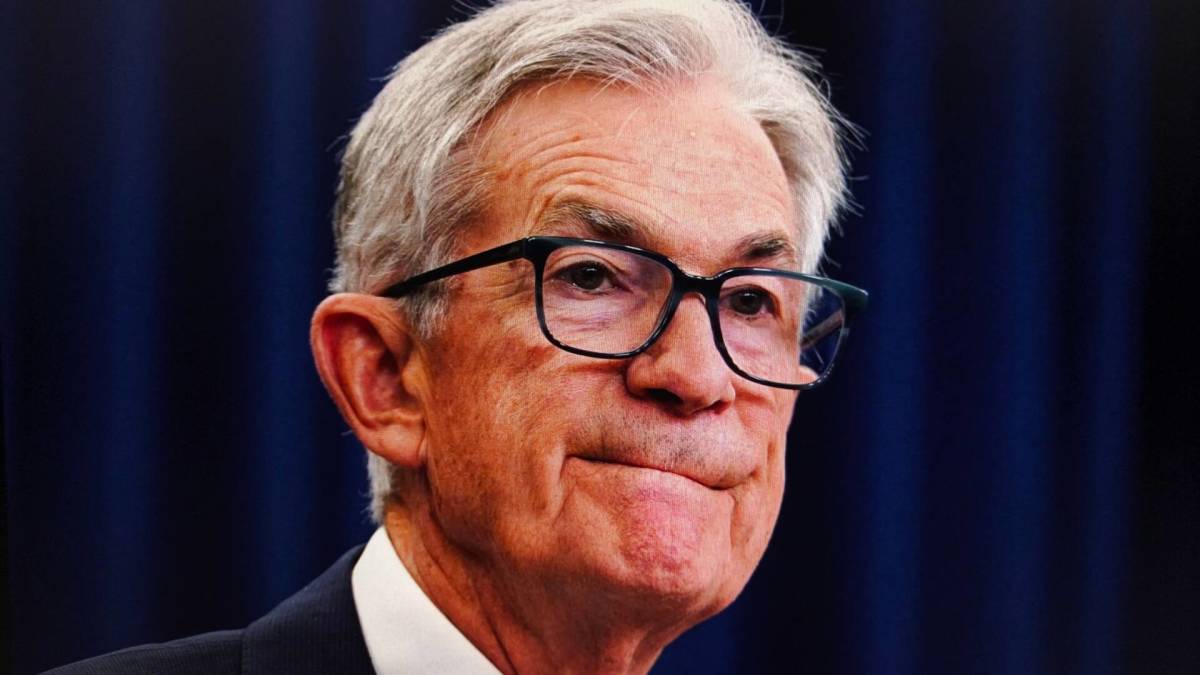
The upcoming decision on the Federal Reserve chair has significant implications for the US economy, and as an investor, understanding these implications is crucial for making informed decisions about your portfolio.
Key Takeaways
- The Federal Reserve chair has the power to influence various aspects of the economy, including credit card rates, student loans, auto loans, mortgage rates, and the regulation of the banking industry.
- The decision on the next Federal Reserve chair is nearing, and this choice will have a significant impact on the US economy and the financial markets.
- Investors need to understand the potential implications of this decision on their portfolios and be prepared to make strategic decisions to mitigate risks and capitalize on opportunities.
Federal Reserve Chair: A Deep Dive
The Federal Reserve, also known as the “Fed,” is the central bank of the United States, and its chair is responsible for making key decisions about monetary policy. The Fed’s primary goals are to promote maximum employment, stable prices, and moderate long-term interest rates. The chair of the Federal Reserve has the power to influence these goals through various tools, including setting interest rates, regulating the money supply, and supervising banks.
One of the key tools used by the Fed to achieve its goals is inflation targeting. Inflation targeting is a monetary policy strategy in which the central bank sets a specific inflation rate as its target. The Fed aims to keep the inflation rate at around 2% per year, which is considered to be a healthy rate of inflation. If the inflation rate is too high, the Fed may raise interest rates to reduce borrowing and spending, which can help to bring the inflation rate back down.
Context: Why This Matters Now
The decision on the next Federal Reserve chair is significant because it comes at a time when the US economy is facing various challenges, including rising inflation, a slowing job market, and uncertainty about the impact of the COVID-19 pandemic. The new chair will have to navigate these challenges and make decisions that balance the need to control inflation with the need to support economic growth.
Historically, the Federal Reserve has played a crucial role in shaping the US economy, and its decisions have had significant implications for investors. For example, during the 2008 financial crisis, the Fed implemented quantitative easing to stimulate the economy, which had a positive impact on the stock market. Similarly, in 2021, the Fed’s decision to keep interest rates low helped to fuel a tech boom, which led to significant gains in the stock market.
Pros and Cons for Your Portfolio
- Risk: A change in the Federal Reserve chair could lead to a shift in monetary policy, which could result in higher interest rates and a decrease in the value of bonds and other fixed-income investments.
- Opportunity: On the other hand, a new chair could bring a fresh perspective to the Fed, which could lead to more aggressive monetary policy and a boost to the economy, resulting in higher stock prices and increased investment opportunities.
What This Means for Investors
Given the potential implications of the Federal Reserve chair decision, investors should be prepared to make strategic decisions to mitigate risks and capitalize on opportunities. One possible strategy is to diversify your portfolio by investing in a mix of stocks, bonds, and other assets. This can help to reduce your exposure to any one particular asset class and minimize the impact of changes in monetary policy.
Another strategy is to keep a close eye on inflation and adjust your investment portfolio accordingly. If inflation is rising, it may be a good idea to invest in assets that historically perform well in an inflationary environment, such as commodities or real estate. On the other hand, if inflation is falling, it may be a good idea to invest in assets that perform well in a low-inflation environment, such as bonds or dividend-paying stocks.
Ultimately, the key to navigating the implications of the Federal Reserve chair decision is to stay informed and be prepared to make strategic decisions. By understanding the potential implications of this decision and being prepared to adapt, investors can minimize risks and maximize opportunities in their portfolios.