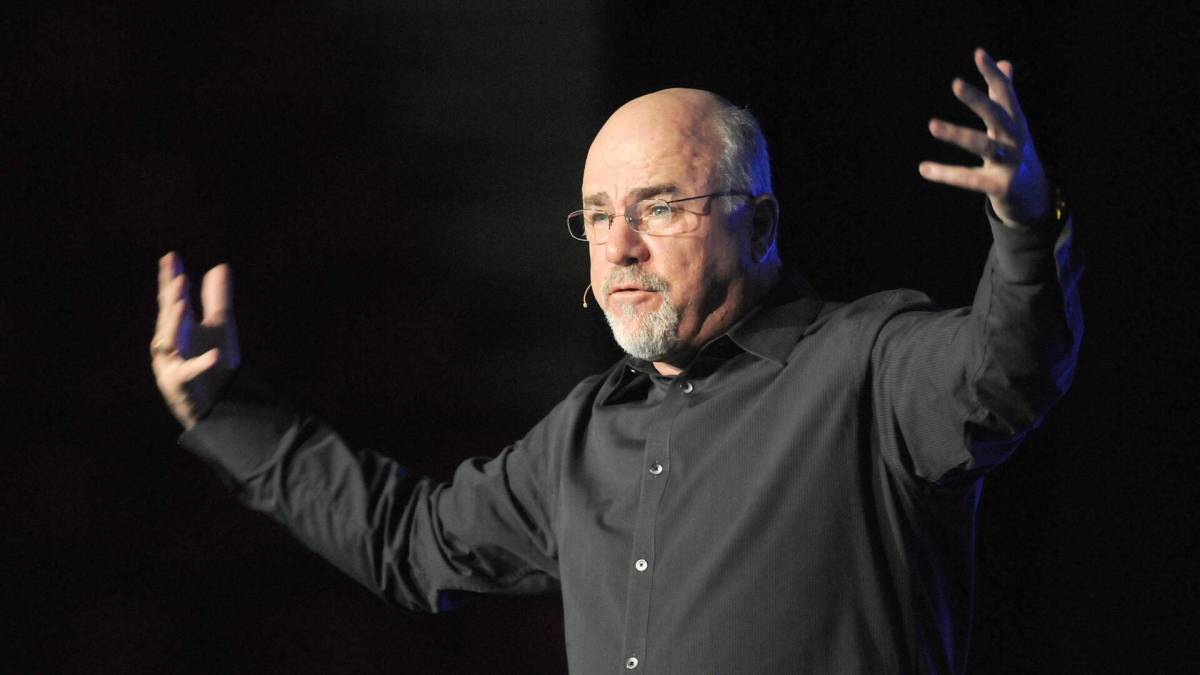
As the US economy continues to navigate uncertain times, personal finance expert Dave Ramsey is warning American workers about critical mistakes to avoid when it comes to their 401(k) plans, emphasizing the importance of maximizing employer matching funds to secure their retirement savings.
Key Takeaways
- Contributing to a 401(k) plan, especially one with employer matching funds, is crucial for building a substantial retirement nest egg.
- Failing to take full advantage of employer matching can result in leaving thousands of dollars in free money on the table over the course of one’s career.
- Understanding the concept of compound interest and its impact on long-term savings is vital for making informed decisions about 401(k) contributions.
Understanding 401(k) and Employer Matching
A 401(k) is a type of retirement savings plan sponsored by an employer, allowing employees to contribute a portion of their paycheck to the plan on a pre-tax basis. One of the most significant benefits of a 401(k) plan is the potential for employer matching contributions, where the employer contributes a certain amount of money to the employee’s 401(k) account based on the employee’s contributions. For example, an employer might match 50% of an employee’s contributions up to 6% of the employee’s salary. This means if an employee earns $50,000 and contributes 6% ($3,000) to their 401(k), the employer would contribute an additional $1,500 (50% of $3,000), effectively doubling the employee’s contribution to $4,500.
Context: Why This Matters Now
The current economic landscape, marked by inflation concerns and market volatility, underscores the importance of prudent retirement planning. Inflation, which refers to the rate at which prices for goods and services are rising, can significantly erode the purchasing power of savings over time. For instance, $1,000 saved today might only have the purchasing power of $900 in a year if inflation is 10%. Thus, contributing to a 401(k), especially when an employer match is available, becomes a strategic move to counteract the effects of inflation by growing one’s retirement savings more rapidly. Historically, similar warnings about maximizing retirement savings have been issued during periods of economic uncertainty, such as the 2008 financial crisis, highlighting the timeless importance of proactive financial planning.
Pros and Cons for Your Portfolio
- Risk: One of the potential downsides of over-contributing to a 401(k) is locking away too much money in a retirement account, which may limit one’s ability to address immediate financial needs or take advantage of other investment opportunities. Additionally, if the market performs poorly, the value of the 401(k) investments could decrease.
- Opportunity: On the other hand, contributing to a 401(k), especially with employer matching, presents a significant opportunity for long-term wealth creation. The power of compound interest can turn consistent contributions into a substantial nest egg over the decades, providing a secure financial foundation for retirement. Furthermore, the pre-tax nature of 401(k) contributions can reduce one’s taxable income, potentially lowering the amount of income tax owed.
What This Means for Investors
Investors should view Dave Ramsey’s warning as a call to action to review their current 401(k) contribution levels and ensure they are maximizing any available employer match. For those who are not currently contributing enough to receive the full employer match, increasing their contribution rate should be a priority. Additionally, investors should consider the overall diversification of their portfolio, ensuring that their 401(k) investments are aligned with their risk tolerance and long-term financial goals. Given the potential for market volatility, a strategic perspective might involve regularly reviewing and rebalancing one’s portfolio to maintain an optimal asset allocation. Ultimately, by avoiding common mistakes and making informed decisions about their 401(k) plans, American workers can better secure their financial futures and achieve their retirement goals.
Strategic Planning for the Future
Looking ahead, it’s essential for investors to adopt a long-term perspective when it comes to their 401(k) plans. This involves not only contributing consistently but also being mindful of the fees associated with their investments and seeking to minimize them. Furthermore, understanding the compound interest and how it can significantly grow one’s savings over time can motivate investors to start early and contribute as much as possible. Imagine an investor who starts contributing $5,000 annually to their 401(k) at the age of 25, compared to someone who starts at 35. Assuming a 7% annual return, the earlier starter could potentially have hundreds of thousands of dollars more in their account by the time they retire, simply due to the power of compound interest.
Conclusion and Next Steps
In conclusion, Dave Ramsey’s warning about 401(k) mistakes to avoid serves as a timely reminder of the importance of proactive retirement planning. By understanding the benefits of employer matching, the impact of inflation, and the potential of compound interest, investors can make informed decisions to maximize their 401(k) contributions and secure their financial futures. The next step for investors should be to review their current financial situation, assess their retirement goals, and adjust their 401(k) contribution strategy accordingly. Whether it involves increasing contributions, diversifying investments, or simply starting to contribute, taking action now can significantly impact one’s retirement savings and overall financial well-being.