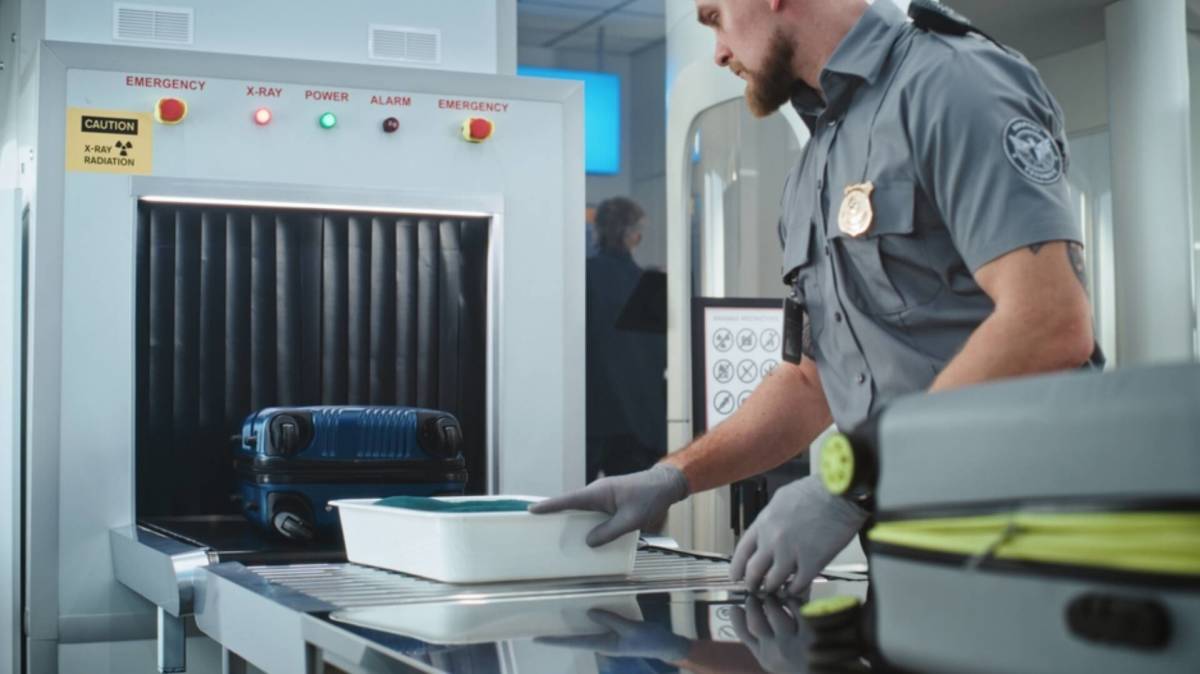
The Transportation Security Administration’s (TSA) recent efforts to improve the flight screening process, including a $100 fix for flight frustrations, have sparked interest among investors and travelers alike, as the agency screens over two million passengers daily in over 400 federalized airports.
Key Takeaways
- The TSA screens over two million passengers daily in over 400 federalized airports.
- Recent improvements to the screening process include allowing passengers to keep their shoes on, a change from decades of having to remove them.
- The $100 fix for flight frustrations is part of the TSA’s efforts to enhance the overall travel experience.
Understanding the TSA’s Screening Process: A Deep Dive
The TSA’s screening process is a critical component of the US aviation security system, with the agency responsible for ensuring the safety of all passengers and flights. The process involves a range of measures, including passenger and luggage screening, to prevent prohibited items from being carried onto aircraft. The TSA has made significant improvements to the process in recent years, including the introduction of Advanced Imaging Technology (AIT) scanners and the expansion of the TSA Precheck program, which allows low-risk travelers to undergo expedited screening.
The $100 fix for flight frustrations is a notable development, as it highlights the TSA’s commitment to addressing the concerns of passengers and improving the overall travel experience. By allowing passengers to keep their shoes on, the TSA is reducing the time and hassle associated with the screening process, making it easier for travelers to get to their gates on time. This change is particularly significant, given that the TSA has been requiring passengers to remove their shoes since the early 2000s, following a failed shoe bomb attempt in 2001.
Context: Why This Matters Now
The TSA’s efforts to improve the screening process are taking place against a backdrop of increasing passenger volumes and growing concerns about airport security. The US aviation industry is experiencing a period of sustained growth, with the number of passengers expected to continue rising in the coming years. This growth is driving demand for more efficient and effective security screening processes, as airports and airlines seek to minimize delays and enhance the overall travel experience. The TSA’s $100 fix for flight frustrations is part of a broader effort to address these challenges and ensure that the US aviation system remains safe and secure.
From an economic perspective, the TSA’s efforts to improve the screening process have significant implications for the US aviation industry. The industry is a major contributor to the US economy, generating billions of dollars in revenue each year and supporting millions of jobs. By enhancing the travel experience and reducing delays, the TSA’s efforts can help to boost passenger demand and support the long-term growth of the industry. However, the TSA’s efforts must also be balanced against the need to maintain the highest levels of security, as the threat of terrorism and other security risks remains a persistent concern.
Pros and Cons for Your Portfolio
- Risk: The TSA’s $100 fix for flight frustrations may not be sufficient to address the underlying issues with the screening process, potentially leading to continued delays and frustration for passengers. This could have negative implications for the US aviation industry, as passengers may opt for alternative modes of transportation or choose to travel to destinations with more efficient security screening processes.
- Opportunity: The TSA’s efforts to improve the screening process could have positive implications for the US aviation industry, as passengers are more likely to travel by air if the experience is convenient and hassle-free. This could lead to increased demand for air travel, supporting the growth of airlines, airports, and other industry stakeholders.
What This Means for Investors
For investors, the TSA’s $100 fix for flight frustrations highlights the importance of considering the broader economic and industry trends when making investment decisions. The US aviation industry is a complex and dynamic sector, influenced by a range of factors, including passenger demand, security concerns, and government regulation. By understanding these trends and factors, investors can make more informed decisions about their investments and position themselves for long-term success.
From a strategic perspective, investors may want to consider the potential implications of the TSA’s efforts to improve the screening process for their portfolios. For example, investors may want to consider investing in airlines or airports that are well-positioned to benefit from increased passenger demand, or in companies that provide security screening technology and services. Alternatively, investors may want to consider diversifying their portfolios to minimize exposure to any potential risks or disruptions in the US aviation industry.
Ultimately, the key to success in the US aviation industry is to stay informed and adapt to changing trends and conditions. By understanding the TSA’s $100 fix for flight frustrations and its implications for the industry, investors can make more informed decisions and position themselves for long-term success.