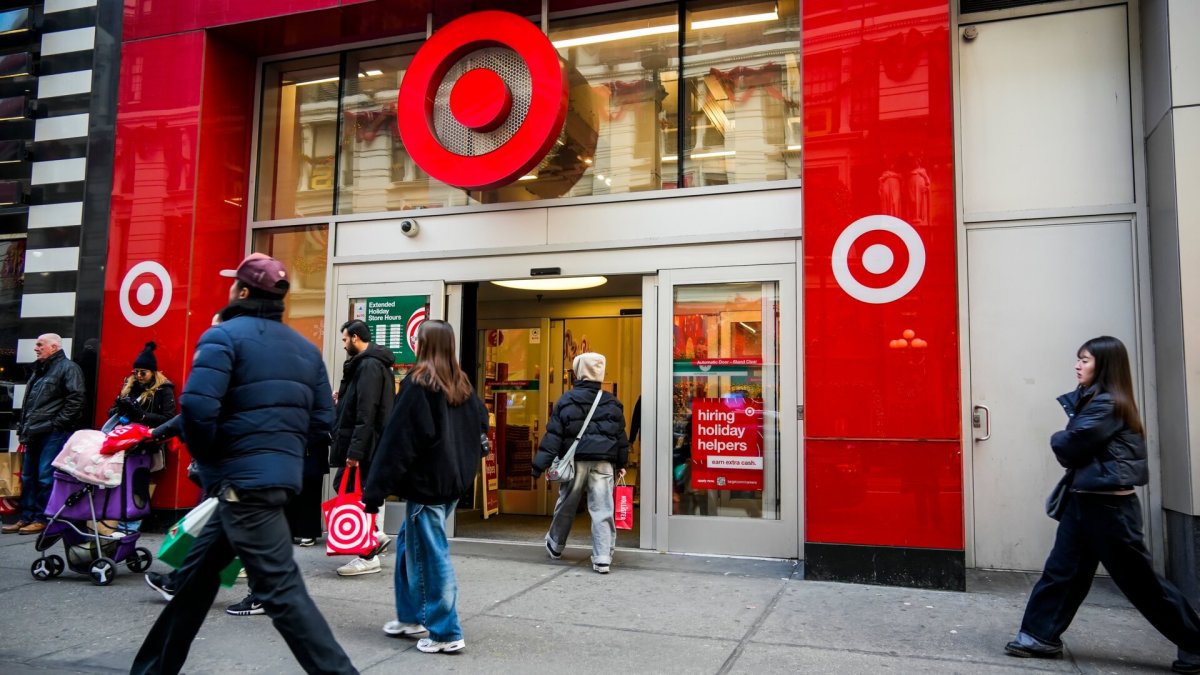
As Target unveils its bold new strategy, investors are left wondering if this retail giant can reverse its sales decline and reclaim its spot in the competitive market, where inflation has been a significant challenge for many companies.
Key Takeaways
- Target is adopting a new strategy with a sense of urgency due to its recent financial performance.
- The company aims to improve its sales and competitiveness in the market.
- Investors are watching closely to see if this new strategy will yield positive results and impact Target’s stock.
Target’s Strategic Shift: A Deep Dive
Target, like many other retailers, has been facing significant challenges in recent years, including increased competition from online retailers and changing consumer behaviors. The company’s decision to act with renewed urgency suggests that it recognizes the need for swift and decisive action to remain competitive. Imagine an investor who bought Target’s stock a year ago, hoping for growth; they would be closely watching the company’s efforts to turn its sales decline around.
Historically, Target has been successful in adapting to changing market conditions, but the current retail landscape is particularly challenging. Similar to the 2008 crash, when many retailers struggled to stay afloat, Target is now facing a new set of challenges, including inflation, which works by decreasing the purchasing power of consumers, thereby affecting demand and sales. In this context, Target’s ability to manage its pricing strategy and maintain profitability will be crucial.
Context: Why This Matters Now
The current economic environment, with its low unemployment rates and steady consumer spending, might seem favorable for retailers. However, the rise of e-commerce and shifting consumer preferences towards experiential spending have forced traditional retailers like Target to rethink their strategies. The company’s acknowledgment of its dissatisfaction with recent financial performance indicates a recognition of these challenges and a willingness to adapt.
Looking back, similar strategic shifts have occurred in the retail industry, such as the transformation of Walmart in the early 2000s, which focused on improving operational efficiency and expanding its grocery segment. Target’s new strategy, while not fully detailed, likely involves a mix of digital transformation, store renovations, and enhancements to its loyalty programs and supply chain management.
Pros and Cons for Your Portfolio
- Risk: One potential downside of investing in Target during this period of strategic change is the uncertainty surrounding the success of its new initiatives. If the company fails to execute its plan effectively, it could lead to further decline in sales and profitability.
- Opportunity: On the other hand, if Target’s new strategy pays off, it could lead to significant growth opportunities for investors. A successful turnaround would not only boost the company’s stock but also demonstrate its ability to adapt and thrive in a rapidly changing retail environment.
What This Means for Investors
For investors considering Target, it’s essential to take a strategic perspective, weighing both the potential risks and opportunities. Given the company’s history of resilience and its current efforts to revamp its strategy, there might be a buying opportunity for those who believe in Target’s ability to execute its plan and reverse its sales decline. However, it’s crucial to monitor the company’s progress closely, as the success of its new strategy will be pivotal in determining its future performance.
Investors should also consider the broader retail landscape and how Target’s strategy aligns with current trends and consumer behaviors. The ability to adapt to inflation and maintain a competitive pricing strategy, for instance, will be key. As the retail industry continues to evolve, companies like Target must innovate and invest in digital capabilities, customer experience, and operational efficiency to remain relevant.
Conclusion and Future Outlook
In conclusion, Target’s bold new strategy is a critical move for the company as it seeks to reverse its sales decline and regain its competitive edge. While there are risks involved, the potential for growth and the company’s history of adapting to challenging environments make it an interesting prospect for investors. As the retail sector continues to face challenges from inflation, e-commerce, and changing consumer preferences, the success of Target’s strategy will be closely watched, not just by investors but by the entire retail industry.
Looking ahead, the next few quarters will be crucial for Target as it begins to implement its new strategy. Investors should keep a close eye on key performance indicators, such as same-store sales growth, digital sales penetration, and profitability margins, to gauge the effectiveness of the company’s efforts. With the right strategy and execution, Target could once again become a leader in the retail space, offering significant returns for its investors.