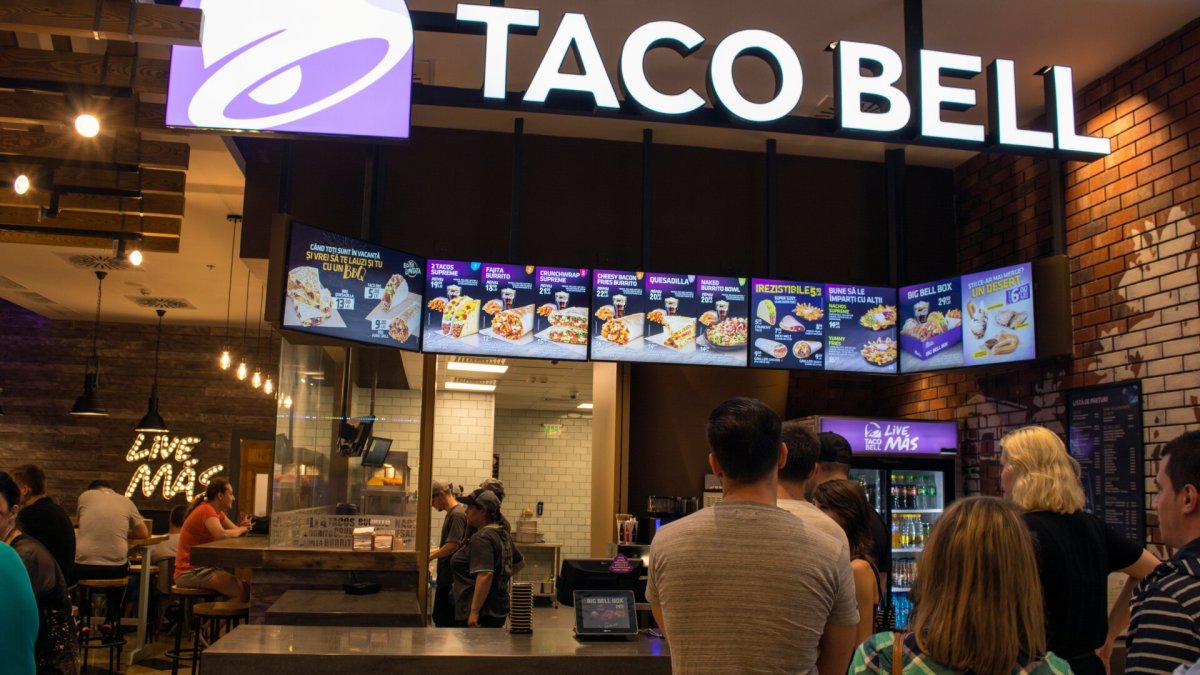
As the fast food industry, particularly chains like Taco Bell, grapples with the challenge of maintaining affordability in the face of rising inflation, investors are left wondering if these staples of American dining are losing their value.
Key Takeaways
- The fast food industry, known for its affordability, is facing challenges due to rising inflation.
- Maintaining ultra-low pricing has become nearly impossible, affecting the growth and profitability of fast food chains.
- Investors are reevaluating the value of fast food stocks, considering the impact of inflation on consumer spending and company margins.
Understanding the Shift in Fast Food Landscape
The fast food industry was once defined by its ability to offer meals at extremely low prices, such as $1 burgers and 50-cent drinks. However, with inflation on the rise, these prices are no longer sustainable. Inflation, in this context, refers to the general increase in prices of goods and services, reducing the purchasing power of consumers. As inflation accelerates, the cost of ingredients, labor, and other operational expenses increases, making it difficult for fast food chains to maintain their low-price strategy without sacrificing profitability.
Context: Why This Matters Now
This challenge is not new to the fast food industry, but its impact is particularly significant today due to the current economic climate. Similar to the 2008 financial crisis, when consumer spending habits changed significantly, the industry is now facing a similar shift. The difference this time is the prolonged period of low-interest rates and government stimulus, which has kept consumer spending afloat but also fueled inflation. Imagine an investor who bought into the fast food industry during its peak, expecting consistent growth and returns; they are now facing a reality where the traditional model of ultra-low pricing is no longer viable.
Historical Precedents and Lessons Learned
Historically, the fast food industry has been resilient, adapting to economic downturns and changes in consumer preferences. However, the current scenario, with its unique combination of inflation, shifts in consumer behavior towards healthier and more sustainable options, and the lingering effects of the pandemic on dining habits, presents a complex challenge. For instance, during the 2021 tech boom, investors saw how quickly valuations could skyrocket, only to realize that not all growth is sustainable. A similar lesson can be applied here: not all business models are inflation-proof.
Pros and Cons for Your Portfolio
- Risk: The potential downside for investors is that fast food chains may struggle to adapt to the new pricing reality, leading to decreased profitability and stock value. If Taco Bell and similar chains cannot find a way to balance pricing with consumer demand, their stocks could suffer.
- Opportunity: On the other hand, companies that successfully navigate this challenge by innovating their menu, improving operational efficiency, or finding a pricing strategy that works in an inflationary environment could see significant growth. Investors who identify these winners early could reap substantial rewards.
What This Means for Investors
Given the current landscape, investors should approach fast food stocks with a critical eye, considering both the risks and opportunities. It’s essential to analyze the ability of each chain to adapt to changing consumer preferences and economic conditions. For Taco Bell and similar companies, the key will be in how they balance affordability with profitability. Investors should look for signs of innovation, whether in menu offerings, technology integration to improve efficiency, or strategic pricing adjustments. Holding or diversifying investments in the fast food sector may be wise, pending a clearer picture of how these companies will navigate the inflationary pressures and evolving consumer demands.
Strategic Investment Perspective
From a strategic perspective, investors might consider a wait-and-see approach, monitoring how different fast food chains respond to the challenges posed by inflation. Investing in companies that demonstrate agility and innovation in their response to these challenges could yield positive returns. Additionally, diversifying a portfolio to include a mix of industries can help mitigate the risks associated with any one sector, such as fast food, experiencing a downturn. Ultimately, the decision to buy, sell, or hold fast food stocks should be based on a thorough analysis of each company’s potential for long-term growth and its ability to thrive in a changing economic environment.
Conclusion and Future Outlook
In conclusion, the fast food industry, exemplified by chains like Taco Bell, is at a critical juncture. The days of ultra-low pricing are behind us, and the future will be defined by companies’ abilities to innovate, adapt, and find a new balance between affordability and profitability. Investors must be vigilant, analyzing each company’s strategy and potential for growth in a challenging economic climate. As the industry evolves, there will be opportunities for growth, but also risks of decline. By understanding the complexities of the situation and adopting a strategic investment approach, investors can navigate this shifting landscape and make informed decisions about their portfolios.