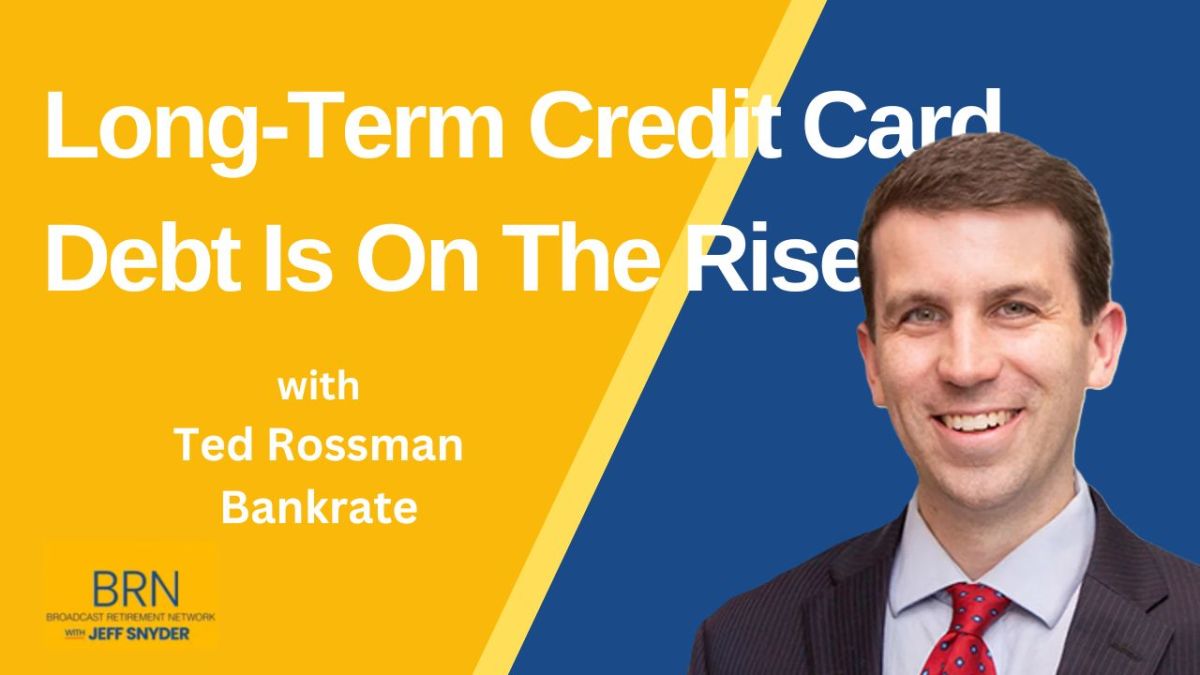
The rising tide of credit card debt is sounding alarm bells for many Americans, as the ease of swiping a card can quickly turn into a financial nightmare, with long-term consequences that can impact not just individual wallets but the broader economy.
Key Takeaways
- Credit card debt is on the rise, with many consumers struggling to pay off their balances in full each month.
- The increase in credit card debt can be attributed to various factors, including inflation, which increases the cost of living and can push consumers to rely more heavily on credit.
- Understanding the causes and consequences of rising credit card debt is crucial for making informed financial decisions and avoiding potential pitfalls.
Rising Credit Card Debt: A Deep Dive
The discussion between Jeffrey Snyder of the Broadcast Retirement Network and Ted Rossman of Bankrate highlights the growing concern over long-term credit card debt. As the economy continues to evolve, factors such as inflation play a significant role in the increase of credit card debt. Inflation, in this context, refers to the rate at which prices for goods and services are rising, thereby reducing the purchasing power of money. Imagine an investor who bought a house a few years ago with a fixed-rate mortgage; as inflation increases, the same salary can buy fewer goods and services, potentially leading to a tighter budget and increased reliance on credit cards for daily expenses.
Historically, periods of economic growth and low unemployment have sometimes been accompanied by increases in consumer debt, as individuals feel more confident in their financial stability and are more willing to take on debt. However, this confidence can sometimes be misplaced, especially when considering the long-term implications of high-interest debt. Similar to the 2008 financial crisis, where subprime lending practices contributed to a housing bubble, the current rise in credit card debt could have significant consequences if left unchecked.
Context: Why This Matters Now
The current economic landscape, marked by inflationary pressures and potential shifts in monetary policy, makes the issue of rising credit card debt particularly pertinent. As the Federal Reserve navigates the delicate balance between controlling inflation and supporting economic growth, changes in interest rates can directly impact the cost of borrowing for consumers. For instance, an increase in interest rates can make credit card balances more expensive to carry, exacerbating the problem of long-term debt.
Furthermore, the ease of obtaining credit, coupled with aggressive marketing by credit card companies, can lure consumers into a cycle of debt. The lack of comprehensive financial education and the temptation of rewards programs or introductory zero-interest rates can lead individuals to accumulate multiple credit cards, each with its own set of terms and conditions, making it difficult to manage debt effectively.
Pros and Cons for Your Portfolio
- Risk: The increasing debt burden can lead to a decrease in consumer spending power, potentially affecting businesses that rely heavily on consumer discretionary income. This could have a negative impact on stocks in related sectors.
- Opportunity: For investors, the rise in credit card debt could present opportunities in sectors that provide financial services, such as credit counseling or debt management companies, as consumers seek help in managing their debt.
What This Means for Investors
Given the complexities of the current economic environment, investors should adopt a cautious yet informed approach. It is essential to diversify portfolios to mitigate risks associated with any single sector or asset class. For those considering investments in the financial sector, a deep understanding of the credit market and consumer debt trends is crucial. Additionally, investors should be aware of the potential for regulatory changes aimed at protecting consumers from predatory lending practices, which could impact the profitability of companies in the financial services industry.
In conclusion, the rise in long-term credit card debt is a multifaceted issue that reflects broader economic trends and consumer behavior. As investors, being aware of these dynamics and their potential impact on the market can help in making strategic decisions that balance risk and opportunity. Whether considering investments in financial services, consumer goods, or other sectors, a nuanced understanding of the causes and consequences of rising credit card debt is indispensable for navigating the complexities of today’s financial landscape.