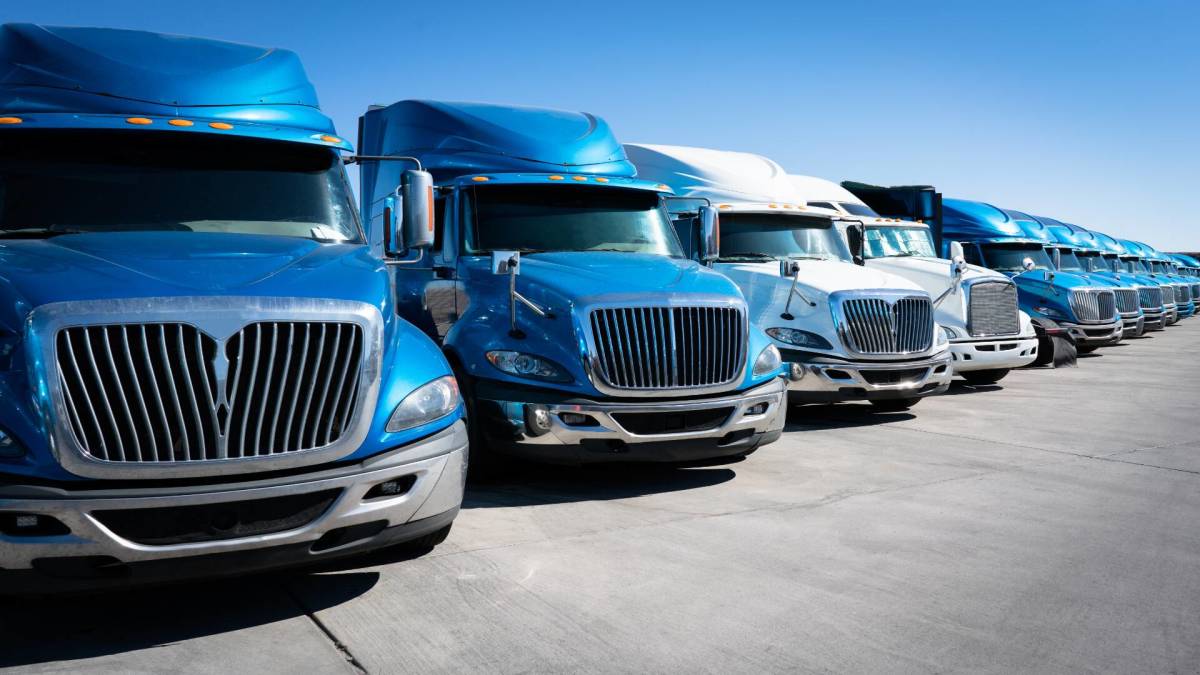
The commercial truck industry is facing unprecedented economic distress, with several companies shutting down operations and filing for bankruptcy protection, leaving investors to wonder what this means for their portfolios and the future of the industry as a whole.
Key Takeaways
- The commercial truck industry is experiencing significant economic challenges, resulting in business closures and bankruptcy filings.
- High debt obligations and rising costs are major contributors to the industry’s financial woes.
- Investors should be cautious and consider the potential risks and opportunities in their investment decisions.
Commercial Truck Industry: Deep Dive
The commercial truck industry has been a vital part of the US economy, providing essential transportation services for goods and products across the country. However, the industry has been facing significant challenges over the last year, including high debt obligations and rising costs. Imagine an investor who bought into a commercial truck company a few years ago, expecting steady growth and returns. Now, with the industry facing economic distress, that investor may be at risk of losing their investment.
One of the main reasons for the industry’s financial struggles is the high amount of debt obligations. Many commercial truck companies took on significant debt to expand their operations and invest in new equipment, but with the current economic downturn, they are struggling to meet their debt payments. For example, a company that owes $10 million in debt payments may find it difficult to make those payments if their revenue decreases due to a decline in demand for their services.
Another factor contributing to the industry’s financial woes is the rising cost of operations. With inflation on the rise, the cost of fuel, maintenance, and equipment has increased significantly, making it difficult for companies to maintain their profit margins. Inflation, in this context, refers to the general increase in prices of goods and services, which can reduce the purchasing power of consumers and increase the costs of businesses. For instance, if a commercial truck company is paying 10% more for fuel than it was a year ago, it may need to increase its prices to maintain its profit margins, which could lead to a decrease in demand for its services.
Context: Why This Matters Now
The current economic downturn is not unique to the commercial truck industry, as many industries are facing similar challenges. However, the commercial truck industry is particularly vulnerable due to its high debt obligations and operating costs. Similar to the 2008 financial crisis, the industry is facing a perfect storm of economic challenges that are making it difficult for companies to stay afloat. The high debt levels and rising costs are a reminder of the importance of cash flow management and the need for companies to maintain a healthy balance sheet.
Historically, the commercial truck industry has been resilient and able to bounce back from economic downturns. However, the current challenges facing the industry are significant, and it may take some time for companies to recover. Investors should be cautious and consider the potential risks and opportunities in their investment decisions. For instance, an investor who is considering investing in a commercial truck company should carefully evaluate the company’s financials, including its debt levels and cash flow, to determine whether it is a viable investment opportunity.
Pros and Cons for Your Portfolio
- Risk: Investing in a commercial truck company during a time of economic distress can be risky, as the company may struggle to meet its debt obligations and maintain its operations. If the company is unable to recover, the investor may lose their entire investment.
- Opportunity: On the other hand, investing in a commercial truck company during a time of economic distress can also present an opportunity for long-term growth. If the company is able to recover and bounce back, the investor may be able to reap significant returns on their investment. For example, an investor who buys into a commercial truck company at a low price during a downturn may be able to sell their shares at a higher price when the company recovers, resulting in a significant profit.
What This Means for Investors
For investors, the current economic distress in the commercial truck industry presents both risks and opportunities. To navigate this challenging environment, investors should take a strategic approach to their investment decisions. This may involve diversifying their portfolio to minimize risk, carefully evaluating the financials of potential investment opportunities, and considering the potential long-term growth prospects of the companies they invest in. Investors should also be aware of the potential for industry consolidation, where stronger companies may acquire weaker ones, leading to a more competitive and efficient industry in the long run.
Ultimately, the key to success in investing in the commercial truck industry is to be informed and cautious. Investors should stay up to date on the latest industry trends and news, and carefully evaluate the potential risks and opportunities of any investment decision. By taking a strategic and informed approach, investors can navigate the challenges of the commercial truck industry and potentially reap significant returns on their investment. As the industry continues to evolve and adapt to the current economic environment, investors who are able to identify opportunities and manage risks effectively may be well-positioned for long-term success.