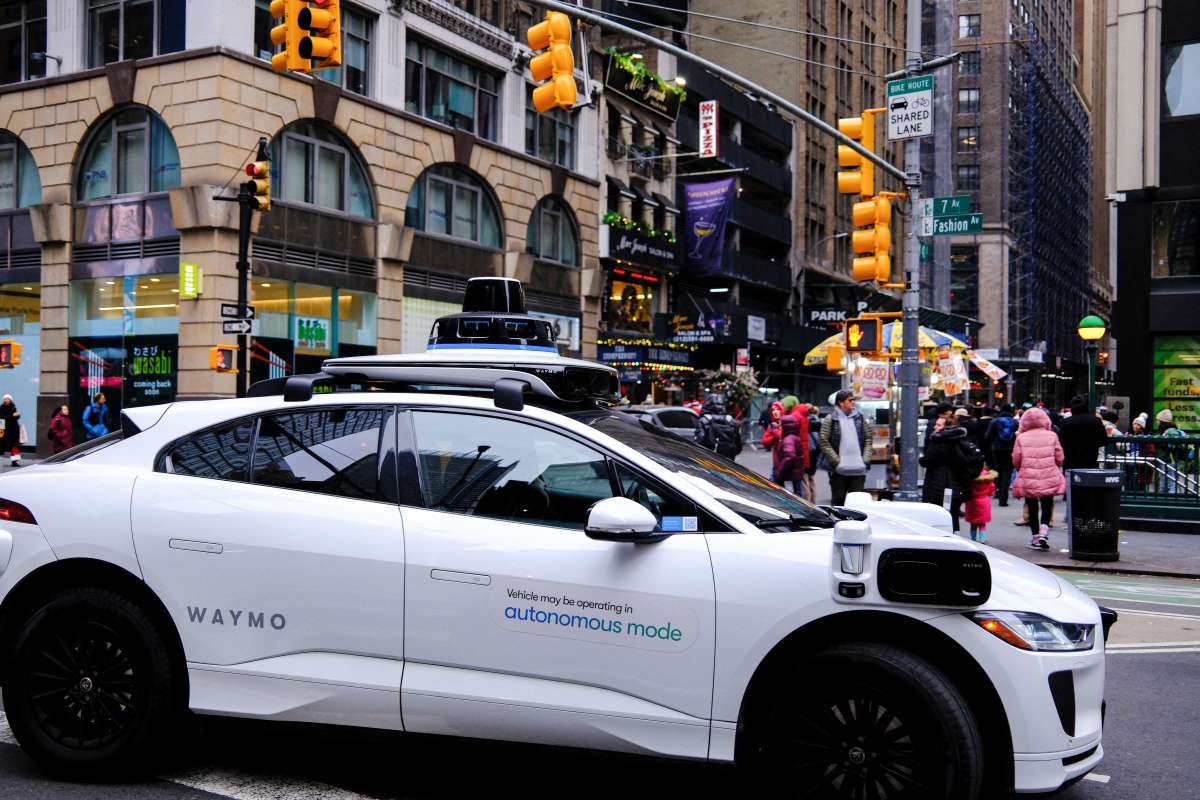
As the autonomous vehicle industry continues to face scrutiny over safety concerns, Waymo’s recent voluntary recall of its robotaxis due to a software issue has raised eyebrows among investors, highlighting the persistent safety issues plaguing the company and the potential impact on its valuation and the broader market.
Key Takeaways
- Waymo issued a voluntary recall of its autonomous vehicles due to a software issue that has yet to be fully resolved.
- The recall was prompted by pressure from the Austin Independent School District, indicating growing concerns over the safety of autonomous vehicles.
- The ongoing safety issues with Waymo’s robotaxis could have significant implications for the company’s growth prospects and the autonomous vehicle industry as a whole.
Deep Dive into Waymo’s Safety Concerns
Waymo, a subsidiary of Alphabet Inc., has been at the forefront of the autonomous vehicle industry, with its robotaxis operating in several cities across the United States. However, the company has faced numerous challenges in recent years, including regulatory hurdles, technological setbacks, and safety concerns. The recent voluntary recall of its robotaxis is just the latest in a series of safety issues that have plagued the company, including accidents involving its vehicles and reports of malfunctioning sensors and software.
Imagine an investor who bought into Waymo’s vision of a future with autonomous vehicles, only to see the company’s valuation take a hit due to persistent safety concerns. This scenario highlights the importance of carefully evaluating the risks and opportunities associated with investing in emerging technologies like autonomous vehicles. Risk management is crucial in such cases, as investors need to weigh the potential rewards against the potential downsides.
Historically, the autonomous vehicle industry has faced numerous challenges, from regulatory hurdles to technological setbacks. Similar to the early days of the aviation industry, the autonomous vehicle industry is still in its infancy, and companies like Waymo are paving the way for a new era of transportation. However, as with any emerging technology, there are bound to be growing pains, and investors need to be aware of the potential pitfalls.
Context: Why This Matters Now
The autonomous vehicle industry is at a critical juncture, with companies like Waymo, Tesla, and General Motors investing heavily in the development of autonomous technologies. However, as the industry continues to grow and mature, safety concerns are becoming increasingly important. Regulators, consumers, and investors are all taking a closer look at the safety records of autonomous vehicle companies, and any issues that arise can have significant implications for the industry as a whole.
The current economic environment, characterized by low interest rates and a bull market, has created a favorable climate for investors to take on more risk and invest in emerging technologies like autonomous vehicles. However, as the market continues to evolve, investors need to be aware of the potential risks and opportunities associated with these investments. The recent volatility in the tech sector, for example, has highlighted the importance of diversification and portfolio management in mitigating potential losses.
Pros and Cons for Your Portfolio
- Risk: The ongoing safety concerns with Waymo’s robotaxis could lead to a decline in the company’s valuation, potentially impacting investors who have invested in the company or the broader autonomous vehicle industry.
- Opportunity: Despite the current challenges, the autonomous vehicle industry is still poised for significant growth in the coming years, and companies like Waymo are well-positioned to capitalize on this trend. Investors who are willing to take on more risk may be able to reap significant rewards by investing in the industry.
What This Means for Investors
Given the current situation, investors should exercise caution when considering investments in the autonomous vehicle industry. While the potential rewards are significant, the risks associated with investing in emerging technologies like autonomous vehicles are also substantial. A diversified portfolio that includes a mix of established companies and emerging technologies can help mitigate potential losses and provide a more stable source of returns.
Investors who are already invested in Waymo or the broader autonomous vehicle industry should closely monitor the company’s progress in addressing its safety concerns and consider rebalancing their portfolios if necessary. For those looking to invest in the industry, it may be wise to wait until the current safety issues are resolved and the company’s valuation has stabilized. Ultimately, a long-term perspective and a disciplined investment strategy are essential for navigating the complexities of the autonomous vehicle industry and achieving success in the market.