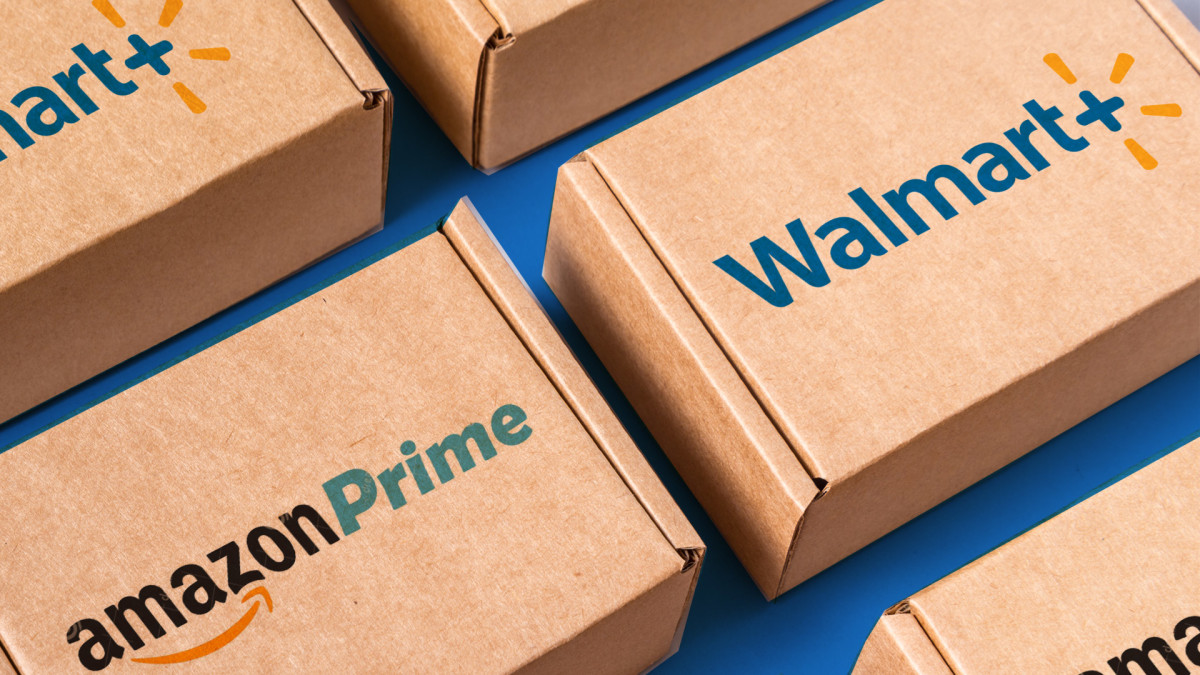
As the retail landscape continues to evolve, Amazon’s efforts to outpace Walmart’s dominance have sparked intense interest among investors, with the e-commerce giant’s bold strategy set to potentially disrupt the status quo in the industry.
Key Takeaways
- Walmart’s extensive store fleet gives it a significant advantage over Amazon in driving unplanned purchases.
- Amazon’s online recommendation engine, while effective, may not match the in-store browsing experience offered by Walmart.
- Amazon is exploring new strategies to bridge the gap and challenge Walmart’s retail supremacy.
Amazon’s Bold Strategy: A Deep Dive
Amazon’s strategy to outpace Walmart’s dominance is multifaceted, focusing on enhancing its online shopping experience to mimic the discovery aspect of physical stores. By leveraging its advanced recommendation engine, Amazon aims to suggest products that customers might not have considered before, potentially increasing average order values and customer satisfaction. For instance, if a customer is browsing for guitars, Amazon’s system might suggest guitar amplifiers, music books, or even concert tickets, creating a more comprehensive shopping experience.
This approach is crucial because Walmart’s physical stores offer an experiential aspect that online platforms often struggle to replicate. In a physical store, customers can see, touch, and compare products side by side, leading to a higher likelihood of impulse purchases. Amazon’s challenge is to recreate this experience digitally, using data and algorithms to predict and suggest products that a customer might be interested in, even if they didn’t initially search for them.
Context: Why This Matters Now
The ongoing competition between Amazon and Walmart is set against the backdrop of a rapidly changing retail landscape. Factors such as inflation, which refers to the general increase in prices of goods and services over time, reducing the purchasing power of consumers, play a significant role. As consumers become more price-sensitive, the ability of retailers to offer competitive pricing, convenience, and an engaging shopping experience becomes paramount. Historically, similar shifts in consumer behavior have led to significant market realignments, such as the rise of e-commerce during the 2020 pandemic, which saw Amazon’s stock soar as people turned to online shopping.
Imagine an investor who bought Amazon stock during the early days of its expansion into new markets. They would have seen their investment grow significantly as Amazon continued to innovate and expand its offerings. However, with Walmart’s strong physical presence, the competition is becoming fiercer, necessitating Amazon to innovate and adapt its strategies to stay ahead.
Pros and Cons for Your Portfolio
- Risk: Investing in Amazon or Walmart comes with the risk of market volatility and the unpredictable nature of consumer preferences. A misstep in strategy or a significant change in consumer behavior could negatively impact stock performance.
- Opportunity: The retail sector’s evolution presents significant opportunities for growth. A company that successfully bridges the online-offline gap could see substantial gains in market share and investor returns. Amazon’s bold strategy, if successful, could lead to increased revenue and profitability, making it an attractive option for investors looking for long-term growth.
What This Means for Investors
For investors, the strategic moves by Amazon and Walmart’s responses should be closely monitored. The key is to understand the underlying trends and how they might impact the companies’ future performance. Investing in the retail sector, especially in giants like Amazon and Walmart, requires a nuanced understanding of consumer behavior, technological innovation, and the companies’ abilities to adapt to changing market conditions. Given the potential for significant growth, investors might consider a long-term perspective, focusing on the companies’ strategic decisions and their implications for future profitability.
Ultimately, the battle between Amazon and Walmart will be won by the company that best understands and meets the evolving needs of its customers. As an investor, identifying which company is more likely to succeed in this endeavor could lead to substantial returns. It’s essential to keep a close eye on both companies’ strategies and their execution, as the retail landscape continues to shift and evolve.