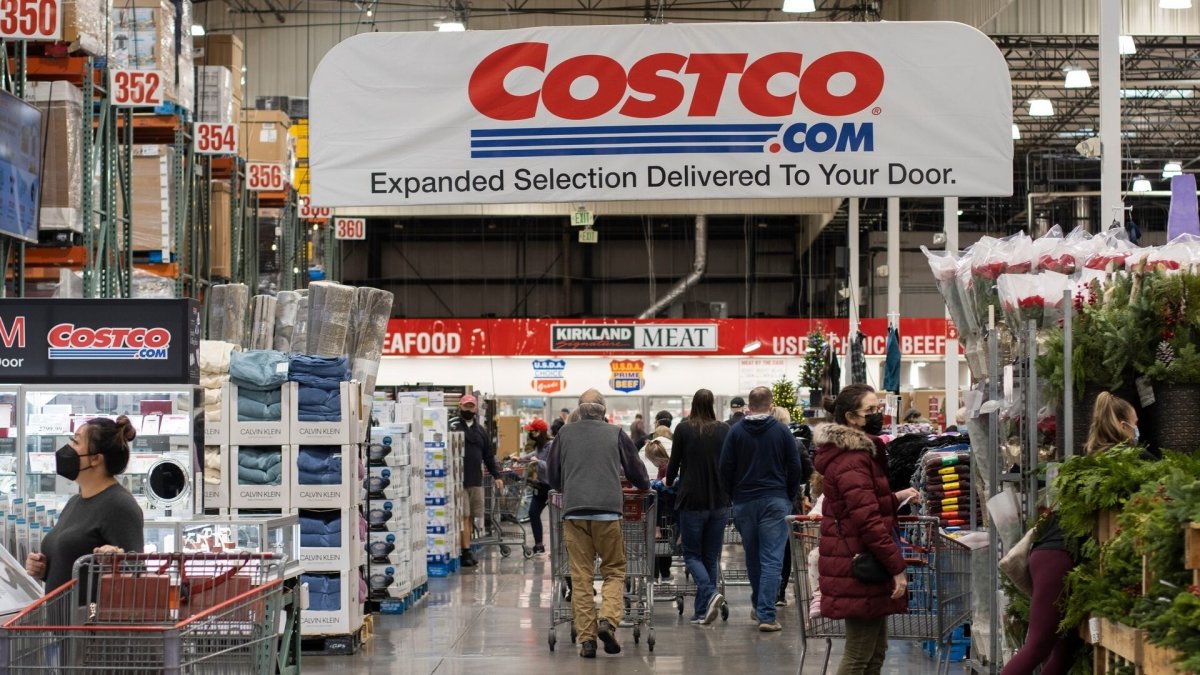
As the retail landscape continues to evolve, Costco’s latest investment move is set to delight its members, but beneath the surface, a more complex financial reality exists, one that highlights the delicate balance between consumer savings and economic sustainability.
Key Takeaways
- Costco’s investment strategy focuses on offering high-value products at lower prices, attracting price-sensitive consumers.
- The approach, while beneficial for members, poses challenges related to inflation, as excessively low prices can squeeze profit margins and potentially lead to supply chain disruptions.
- Understanding the economic context and the potential impacts on both consumers and investors is crucial for navigating this retail environment.
Costco’s Investment Move: A Deep Dive
Costco’s model, built around offering bulk quantities of products at significantly lower prices than traditional retailers, has been a cornerstone of its success. This strategy not only attracts a loyal customer base but also creates a sense of urgency and value among shoppers. However, the underlying dynamics of this approach are multifaceted. By selling products like gigantic croissants for $6 or massive cakes at a fraction of what local bakeries charge, Costco leverages its vast purchasing power and efficient supply chain to keep costs low.
This strategy is particularly appealing in an economic environment where consumers are increasingly looking for ways to stretch their budgets. The promise of more bang for your buck is hard to resist, especially when it comes to staple items or luxury goods that can be purchased at a significant discount. Yet, it’s essential to consider the broader financial implications of such pricing strategies, including the potential for deflationary pressures if prices are consistently driven too low, affecting not just Costco but the entire retail sector.
Context: Why This Matters Now
The current economic climate, marked by concerns over inflation and consumer spending power, makes Costco’s investment move particularly noteworthy. Inflation, in this context, refers to the rate at which prices for goods and services are rising. When prices are kept artificially low, as in the case of some Costco products, it can influence consumer expectations and purchasing behaviors, potentially affecting the overall inflation rate. This scenario is reminiscent of historical periods where retailers have used price wars as a competitive strategy, only to face challenges in maintaining profitability and supply chain stability.
Historically, similar strategies have led to mixed outcomes. During the 2008 financial crisis, for instance, deep discounting helped some retailers attract cash-strapped consumers, but it also led to significant margin compression and inventory management issues for others. More recently, the 2021 tech boom saw companies leveraging low prices and subscription models to rapidly acquire customers, only to face scrutiny over their paths to profitability.
Pros and Cons for Your Portfolio
- Risk: One of the potential downsides of investing in a retailer like Costco, which heavily relies on low prices to drive sales volume, is the risk of margin erosion. If the company cannot maintain its profit margins due to high operational costs or supply chain pressures, it could negatively impact investor returns.
- Opportunity: On the other hand, Costco’s ability to attract and retain a large, loyal customer base through its pricing strategy presents a significant opportunity. The company’s focus on offering value could help it navigate economic downturns more effectively than its peers, potentially leading to stable or even increased sales during periods when other retailers might struggle.
What This Means for Investors
For investors considering adding Costco or similar retailers to their portfolios, it’s essential to take a strategic perspective. While the appeal of a company that can offer consumers significant savings is undeniable, it’s crucial to weigh this against the potential risks, including the impact of sustained low pricing on profitability and the broader economic environment. Investors should look for companies with a proven track record of managing their supply chains efficiently, maintaining healthy profit margins, and adapting their pricing strategies in response to changing economic conditions.
In conclusion, Costco’s surprising investment move, while delightful for its members, underscores the complex interplay between consumer savings, retail pricing strategies, and economic sustainability. As investors, navigating this landscape requires a deep understanding of the financial and economic principles at play, including the potential impacts of inflation, deflation, and consumer behavior on retail stocks. By adopting a nuanced and informed approach, investors can make more strategic decisions that align with their long-term financial goals.